Cameroon’s President Biya Reshuffles Military Leadership Amid Prolonged Absence
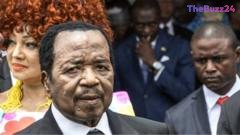
Cameroon’s long-serving president, 93-year-old Paul Biya, has initiated a significant reshuffle of the nation’s military leadership while remaining abroad. The president, who has not made a public appearance in nearly 60 days, issued decrees from Geneva, Switzerland, promoting five colonels to the rank of brigadier general and filling key strategic positions within the armed forces.
Among the notable appointments is the reappointment of Raymond Jean Charles Beko’o Abondo as the commander of the elite presidential guard. Abondo has held this critical role, which is responsible for the president’s personal security, since 2013. These military adjustments follow a pattern of administrative changes that have historically occurred during periods of heightened public scrutiny or political instability within the Central African nation.
Biya’s extended stay in Switzerland, which began on June 7, has fueled intense speculation regarding his health and the stability of his administration. While government officials maintain that the president is in good health and continues to govern remotely, the opposition has voiced growing concern over what they describe as an institutional vacuum. Critics argue that the lack of transparency regarding the president’s activities and the failure to fill key government roles, such as the newly created vice-presidency, are undermining the country’s governance.
Despite official assurances that the president will return to Cameroon soon, the continued reliance on remote decrees has intensified calls for clarity. The government has consistently denied rumors of hospitalization, yet the absence of the head of state from the country for two months has left a void that continues to dominate national discourse and political debate.
Key Takeaways
- President Paul Biya has reshuffled Cameroon's military leadership while residing in Geneva for nearly two months.
- The appointments include the reappointment of the commander of the elite presidential guard, signaling a focus on internal security.
- Opposition leaders and citizens have expressed concern over the lack of transparency and the potential for an institutional vacuum in the country's leadership.
Editor’s Analysis & Impact
The ongoing situation in Cameroon highlights the risks associated with highly centralized, long-term leadership models. President Biya’s reliance on remote governance from abroad creates a perception of detachment that can destabilize public confidence and invite political volatility. From a market and geopolitical perspective, the uncertainty surrounding the succession plan and the health of the head of state poses a significant risk to foreign investment and regional stability. If the current trend of ‘governance by decree’ continues without a clear timeline for the president’s return or a transition strategy, Cameroon may face increased pressure from both domestic opposition groups and international observers. The military reshuffle suggests that the administration is prioritizing the consolidation of security apparatuses, likely to mitigate potential unrest during this period of leadership ambiguity.
Frequently Asked Questions
Q: How long has President Paul Biya been out of Cameroon?
A: President Biya has been abroad for nearly 60 days, having left the country on June 7 for what was described as a private stay.
Q: What is the primary concern regarding the president's absence?
A: The primary concern is the lack of transparency regarding the president's health and activities, which critics argue has created an institutional vacuum and uncertainty regarding the country's governance.
AI Disclosure: This article is based on verified data and official reports. Our Team and AI have cross-referenced every financial detail with primary sources to ensure total accuracy.
More from this Category