Severe Drought Cripples European Rivers, Threatening Energy Supply and Shipping Corridors
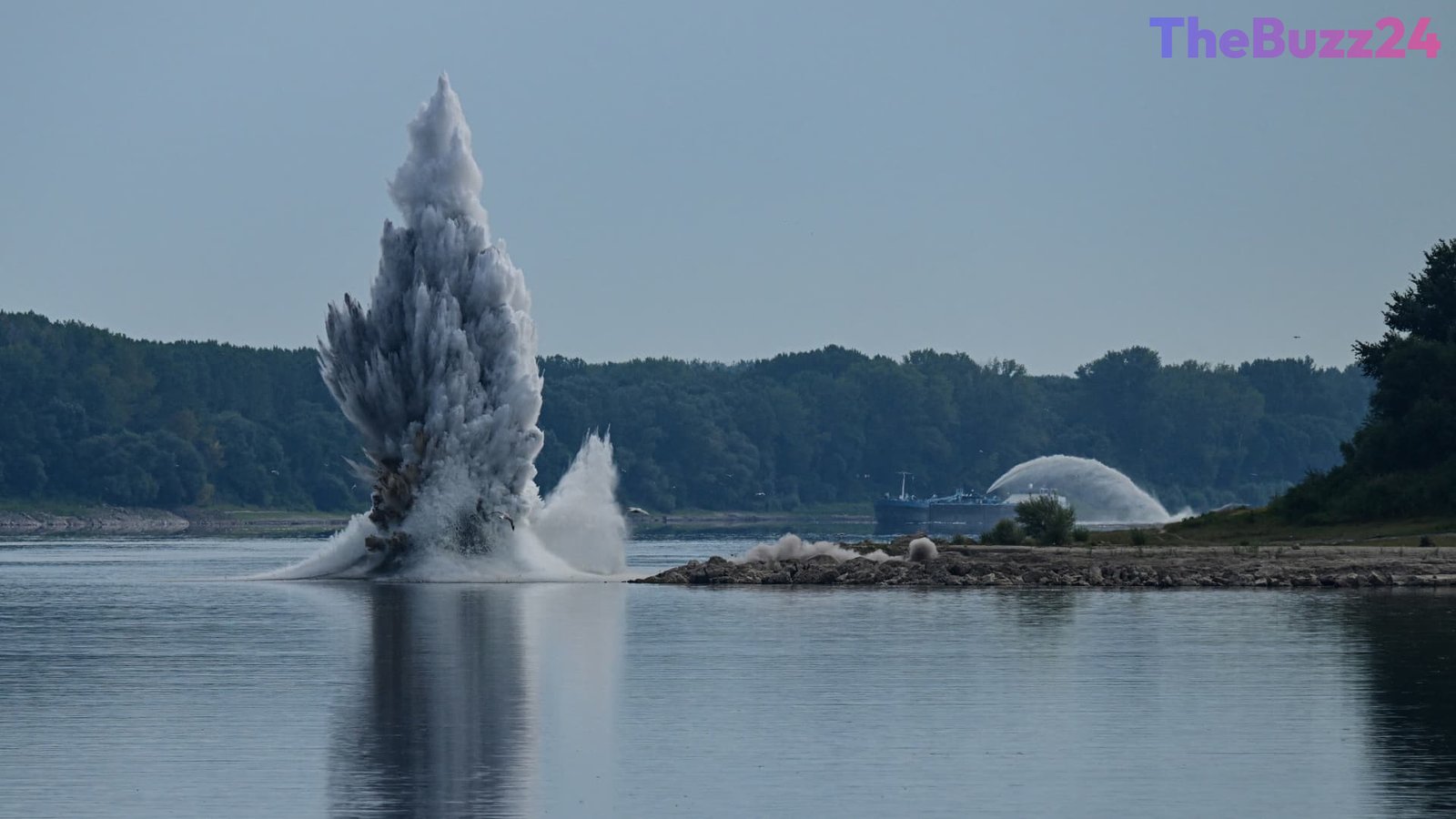
A scorching summer and widespread severe drought across Europe have pushed major river systems like the Rhine and Danube to dangerously low levels, crippling critical trade routes and disrupting energy production. The crisis has reached such extreme proportions that authorities in Romania deployed naval forces to carry out underwater controlled detonations, attempting to clear riverbed rocks and divert sufficient water flow to cool the Cernavoda Nuclear Power Plant. Similar cooling challenges have forced operational cutbacks at nuclear facilities in Hungary and France, while Serbia has been compelled to slash its hydropower output.
The situation is particularly acute along Germany’s Rhine River, where water levels at the crucial Kaub chokepoint plunged to just 24 centimeters—marking historic lows not recorded in nearly 150 years. While shipping remains technically operational below the standard 78-centimeter navigation threshold, cargo barges are forced to travel under severely restricted weight capacities. This has triggered skyrocketing freight surcharges, severe logistics delays, and supply chain bottlenecks across the heart of Western Europe.
Beyond freight transport and energy security, the drying of key waterways is severely impacting agriculture, tourism, and broader regional productivity. Crop shipments along the Danube have stalled, preventing farmers from getting goods to market, while river cruise liners have been unable to dock at major ports such as Budapest. Furthermore, around 30% of Southern Europe’s population now lives in conditions of permanent water stress, where baseline demand exceeds available natural supply.
As extreme weather patterns intensify, recurring water shortages are transitioning from isolated natural events into structural threats to Europe’s industrial base. Businesses are increasingly forced to divert freight to overburdened rail and road corridors or maintain larger buffer inventories, exacerbating existing inflationary pressures. Paired with heatwaves that degrade physical infrastructure and hamper labor productivity, the shrinking river systems highlight Europe’s growing vulnerability to climate-induced economic volatility.
Key Takeaways
- Historically low water levels on the Rhine and Danube rivers are disrupting European power generation and global supply chains.
- Romania utilized naval military explosives to clear riverbeds for nuclear cooling, while German Rhine shipping depth plunged to a 150-year low at Kaub.
- Logistical disruptions on the Rhine are projected to cause economic losses between 1 billion and 2 billion euros, cutting German GDP growth by up to 0.2% in the third quarter.
Editor’s Analysis & Impact
The ongoing hydrological crisis across major European waterways underscores how climate risks directly destabilize macroeconomic stability. Rivers like the Rhine and Danube serve as critical arteries for heavy freight, industrial cooling, and agricultural logistics. As water scarcity shifts from an anomaly to a recurring seasonal constraint, European commerce faces structural headwinds. Alternative transport modes like rail and road lack the capacity to fully absorb displaced river freight, inevitably driving up logistics costs and feeding into broader inflationary pressures. Furthermore, energy grid reliability is severely compromised when nuclear and hydropower facilities must throttle output during peak summer demand. Over the coming decade, European industries will need to invest heavily in climate-resilient supply chain logistics, adaptive water infrastructure, and redundant energy systems to shield themselves from recurring low-water disruptions.
Frequently Asked Questions
Q: Why do low river levels affect nuclear power generation in Europe?
A: Nuclear power plants rely heavily on continuous river water intake to cool their reactors. When water levels drop drastically or river temperatures become too high, plants are forced to scale back electricity generation or temporarily halt operations to maintain safety standards.
Q: How does a shallow Rhine River impact the broader economy?
A: The Rhine is Western Europe's primary river corridor for bulk raw materials and industrial goods. Low water levels force cargo barges to carry significantly lighter loads, leading to higher shipping rates, delayed deliveries, and production slowdowns that directly reduce GDP growth.
Q: What measures are being taken to mitigate the river drought?
A: Governments and industries are resorting to underwater detonations to redirect water flow, diverting freight to rail and road networks, increasing inventory buffer stocks, and reducing output at hydropower and thermal plants to conserve water resources.
AI Disclosure: This article is based on verified data and official reports. Our Team and AI have cross-referenced every financial detail with primary sources to ensure total accuracy.
More from this Category