Trump Rejects Claims of Munitions Shortage, Vows Crackdown on Information Leaks
President Donald Trump has publicly dismissed concerns regarding the state of the United States’ military arsenal, asserting that the nation maintains a robust supply of munitions. Amidst ongoing geopolitical tensions and a prolonged conflict, the administration is pushing back against reports suggesting that the U.S. is facing a critical depletion of its long-range precision missiles and defensive systems.
In a series of statements, the President emphasized that the U.S. possesses significant stockpiles and that manufacturing efforts are actively replenishing any used inventory. The administration’s stance comes as independent analysts and various reports suggest that high-intensity operations, such as those seen in recent months, have placed substantial pressure on existing missile reserves. Despite these assessments, the White House maintains that current capabilities are more than sufficient to meet national security requirements.
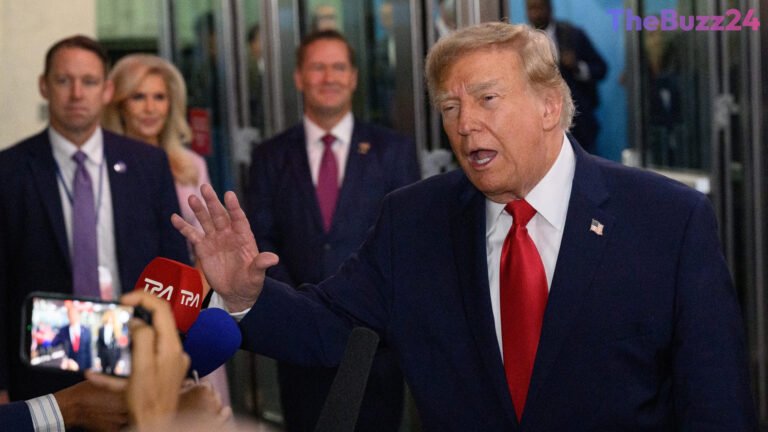
Beyond the debate over inventory levels, the President has taken a hardline stance against the dissemination of internal military data. Vowing to identify and prosecute those responsible for unauthorized disclosures, the administration has characterized the leaking of sensitive information as a serious breach of security. This crackdown coincides with efforts by Defense Secretary Pete Hegseth to tighten information controls within the Pentagon, aiming to limit the flow of classified or sensitive operational details to the public.
As the administration navigates these logistical and political challenges, it has also requested emergency funding from the Senate to accelerate the production of equipment and munitions. While the debate over the exact status of the U.S. stockpile continues, the government remains focused on balancing its current operational needs with the long-term necessity of maintaining a technological and military edge on the global stage.
Key Takeaways
- President Trump denies claims of a U.S. munitions shortage, asserting that stockpiles remain robust and production is ongoing.
- The administration has vowed to pursue legal action against individuals responsible for leaking sensitive information regarding military readiness.
- The Pentagon has requested $87 billion in emergency funding to replenish equipment and support service members amid ongoing global commitments.
Editor’s Analysis & Impact
The current friction between the administration’s public assurances and independent assessments of military readiness highlights a critical challenge in modern defense logistics: the gap between rapid consumption in high-intensity conflicts and the slow, complex nature of the defense industrial base. The administration’s aggressive stance on ‘leakers’ suggests a broader strategy to control the narrative during a period of geopolitical volatility. If the U.S. is indeed facing a supply strain, the long-term implications include potential shifts in foreign policy, particularly regarding aid to allies like Ukraine, and a necessary pivot toward domestic manufacturing expansion. The market impact is likely to favor defense contractors as the government prioritizes rapid replenishment, though the political fallout from these transparency disputes could create further friction between the executive branch and the intelligence and defense communities.
Frequently Asked Questions
Q: Does the U.S. currently have a shortage of munitions?
A: The Trump administration officially denies any shortage, stating that the U.S. has massive amounts of munitions and that production is being ramped up to meet demand.
Q: What is the administration's stance on information leaks?
A: President Trump has labeled the leaking of information regarding military stockpiles as treasonous and has vowed to hunt down those responsible, seeking long-term jail sentences.
Q: Why is the Pentagon requesting emergency funding?
A: The administration has requested $87 billion in emergency funds to pay service members and to rapidly replenish equipment and munitions used during recent operations.
AI Disclosure: This article is based on verified data and official reports. Our Team and AI have cross-referenced every financial detail with primary sources to ensure total accuracy.
More from this Category