Amazon’s Texas Data Center Sparks Climate Controversy with Massive Natural Gas Plant
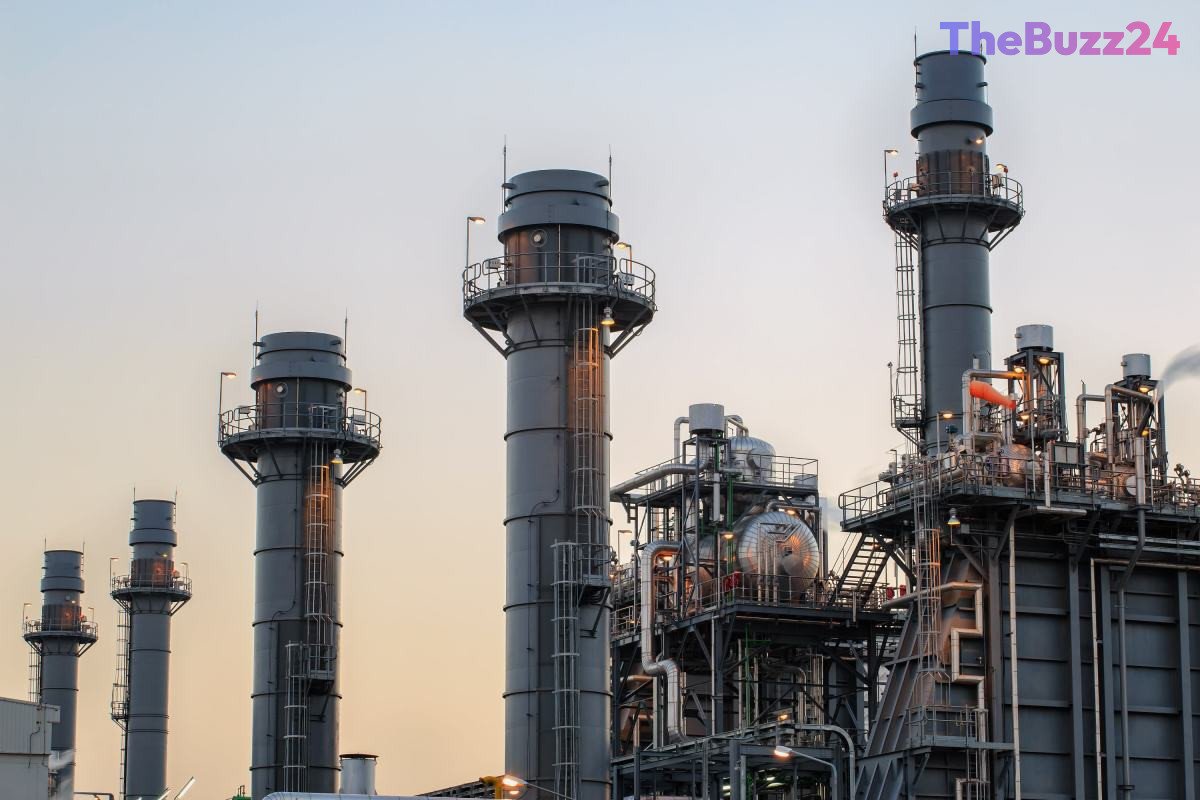
Amazon is reportedly planning a significant expansion in Pecos County, Texas, with a new data center that includes an on-site natural gas power plant. This facility is permitted to release an estimated 33 million tons of carbon dioxide annually, a figure that could position it as the single largest source of climate pollution in the United States. The scale of this proposed energy generation highlights the immense power demands of modern data infrastructure, particularly as artificial intelligence technologies continue to proliferate.
The development comes as Amazon faces increasing scrutiny over its environmental impact. The company recently reported a 16% increase in its carbon emissions last year, a trend moving in the opposite direction of its public commitment to achieve net-zero carbon emissions by 2040. The surge in emissions is partly attributed to the growing energy consumption of its AI operations and data centers, which are becoming central to the company’s business model.
In response to concerns, an Amazon spokesperson confirmed that the new data center would be powered by this on-site generation, asserting that it “won’t raise electricity costs for Texas families.” Data centers have increasingly become a point of contention, facing political opposition due to their significant energy demands and potential impact on local utility grids and costs. The spokesperson also acknowledged that “The world looks different now than when we co-founded the climate pledge,” while simultaneously reaffirming, “Our commitment hasn’t changed,” indicating a complex balancing act between rapid technological expansion and environmental responsibility.
This project underscores a broader challenge for the technology sector: how to reconcile the escalating energy needs of advanced computing, especially AI, with ambitious climate goals. As tech giants continue to invest heavily in power-hungry infrastructure, the environmental implications of these developments are likely to remain a critical area of public and regulatory focus.
Key Takeaways
- Amazon's planned data center in Pecos County, Texas, includes a natural gas power plant projected to emit 33 million tons of CO2 annually.
- This facility could become the largest single climate polluter in the U.S., raising concerns about Amazon's 2040 net-zero carbon pledge.
- The project highlights the increasing energy demands of AI and data centers, posing a challenge for tech companies' environmental commitments.
Editor’s Analysis & Impact
This development from Amazon signals a critical juncture for the technology industry, particularly concerning the environmental footprint of AI and data infrastructure. The sheer scale of the proposed natural gas plant underscores the immense energy requirements of modern computing, creating a direct tension with corporate sustainability pledges. This could set a precedent, influencing how other tech giants approach their energy needs and potentially leading to increased regulatory scrutiny on data center development. The market might see a push for more innovative, greener energy solutions for data centers, or conversely, a re-evaluation of the feasibility of aggressive climate targets in the face of rapid technological expansion. This situation also highlights the complex interplay between economic growth, technological advancement, and environmental responsibility, with significant implications for energy policy and corporate governance.
Frequently Asked Questions
Q: What is the primary concern regarding Amazon's new data center in Texas?
A: The main concern is the on-site natural gas power plant, which is permitted to release 33 million tons of carbon dioxide annually, potentially making it the largest single climate polluter in the United States.
Q: How does this project align with Amazon's stated climate goals?
A: Amazon has pledged to achieve net-zero carbon emissions by 2040. The proposed natural gas plant, with its significant emissions, appears to contradict this goal, especially after the company reported a 16% increase in its carbon emissions last year, partly due to AI operations.
Q: Why are data centers facing increasing scrutiny?
A: Data centers are drawing more attention due to their substantial energy consumption, which can impact local electricity costs and grids, and their overall contribution to carbon emissions, particularly as AI technologies demand more power-intensive infrastructure.
AI Disclosure: This article is based on verified data and official reports. Our Team and AI have cross-referenced every financial detail with primary sources to ensure total accuracy.
More from this Category