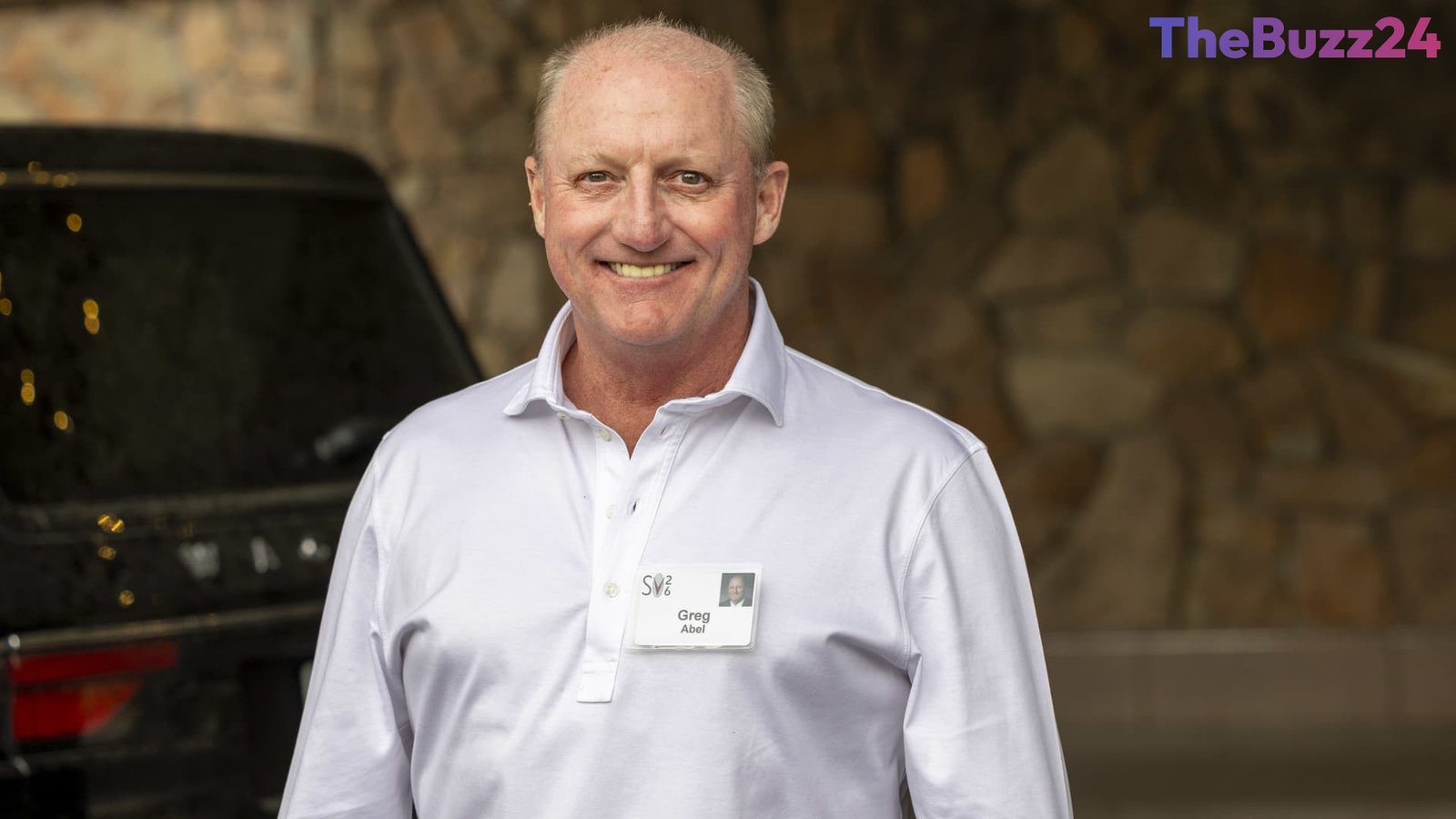
Greg Abel Deploys Billions in Berkshire’s Cash Reserves During Second Quarter as CEO
In his second quarter at the helm of Berkshire Hathaway, Chief Executive Officer Greg Abel has begun deploying a significant portion of the conglomerate’s massive cash reserves. Financial reports released for the three months ending June 30 indicate that the firm’s cash holdings experienced a notable decline, marking the first major contraction since early 2022 and signaling a shift in capital allocation strategy under new leadership.
Berkshire reported cash and cash equivalents totaling $365.5 billion at the end of the second quarter, representing an 8% drop from its record-high reserve of $397.4 billion recorded on March 31. Even after adjusting for specific metrics favored by the company, such as excluding BNSF railroad cash and accounting for unpaid Treasury bills, the adjusted cash reserve fell by roughly 3.8% to $359.2 billion. Market analysts view the move as a clear statement of intent by Abel to actively put capital to work rather than letting cash accumulate indefinitely.
Alongside the reduction in cash reserves, Berkshire broke a 14-quarter streak of being a net seller of equities, purchasing more stocks than it sold for a net increase of $20 billion. This aggressive equity accumulation included a headline-grabbing $10 billion investment in Alphabet, Google’s parent company. Furthermore, the company ramped up share buybacks, spending considerably more than the negligible amounts doled out in previous quarters, giving shareholders renewed confidence that leadership sees intrinsic value in the conglomerate’s current valuation.
Operating earnings across Berkshire’s diverse subsidiaries also showed robust health, increasing 16% overall to $12.98 billion. Strong contributions came from Berkshire Hathaway Energy, which saw a 27% increase in earnings, and the BNSF railroad, up 6%. Manufacturing, service, and retail sectors similarly posted strong gains, offsetting softer performances within certain insurance units like GEICO. As Abel establishes his footing as CEO, these strategic investments and robust operational results suggest a confident continuation of value-driven stewardship.
Key Takeaways
- Berkshire Hathaway's massive cash reserves declined by 8% to $365.5 billion in Greg Abel's second quarter as CEO.
- The conglomerate broke a 14-quarter streak of being a net seller of equities, posting a net increase of $20 billion in stock purchases, including a major investment in Alphabet.
- Overall operating earnings rose 16% to $12.98 billion, bolstered by strong performances in energy, rail, and manufacturing divisions.
Editor’s Analysis & Impact
Greg Abel’s decisive deployment of capital during his second quarter as CEO marks an important psychological and strategic turning point for Berkshire Hathaway. For years, observers worried about the company’s ballooning cash pile and the difficulty of finding meaningful deployment avenues of scale. By aggressively stepping up share buybacks and pivoting back to being a net buyer of equities—highlighted by the Alphabet stake—Abel is signaling a proactive approach to capital allocation while honoring the foundational principles of long-term value investing. The strong operating earnings across energy, rail, and retail further underscore the underlying health of Berkshire’s sprawling economic engine. Moving forward, the market will closely monitor whether this signals a sustained appetite for large-scale dealmaking or a temporary deployment during specific market windows.
Frequently Asked Questions
Q: How much did Berkshire Hathaway's cash reserves decline in the second quarter?
A: Berkshire's cash reserves fell by 8% from a record high of $397.4 billion to $365.5 billion by the end of June.
Q: What major equity investment did Berkshire make during this period?
A: Berkshire made a notable $10 billion investment in Alphabet, the parent company of Google.
Q: Which operating sectors performed best for Berkshire Hathaway in Q2?
A: Berkshire Hathaway Energy saw a 27% increase in earnings, BNSF railway earnings rose 6%, and manufacturing, service, and retail earnings grew by 24%.
AI Disclosure: This article is based on verified data and official reports. Our Team and AI have cross-referenced every financial detail with primary sources to ensure total accuracy.
More from this Category