Pentagon Fuels Domestic Battery Tech with $1.4 Billion Sila Investment Amid Supply Chain Concerns
The U.S. Department of Defense has committed a substantial $1.4 billion loan to Sila, a U.S.-based startup specializing in advanced battery materials. This significant investment aims to bolster the company’s production capabilities for its innovative silicon-carbon battery material, addressing a critical need within the nation’s industrial and defense sectors. The move comes as American battery consumers, ranging from major automotive manufacturers to defense contractors, face increasing challenges in securing essential battery components manufactured outside of China, which currently dominates the global supply chain for traditional graphite anodes.
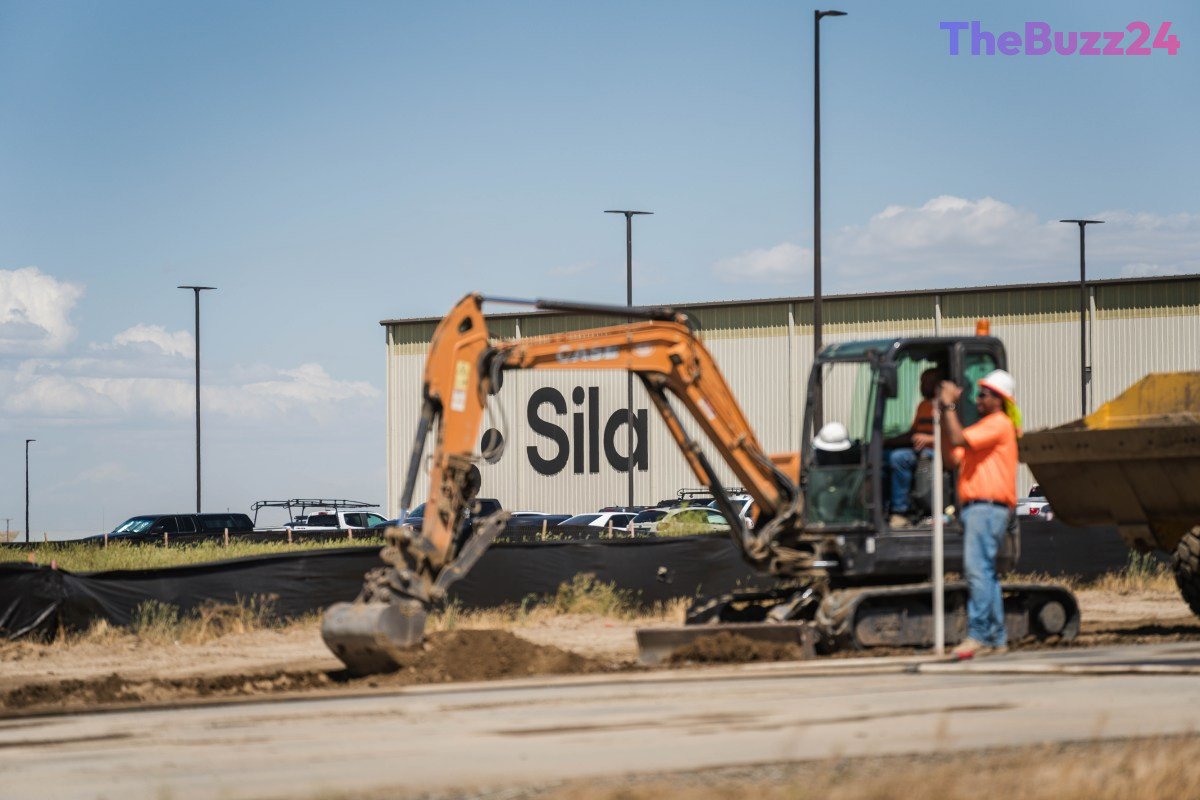
Sila’s proprietary silicon-carbon material offers a compelling alternative to conventional graphite, promising a 20% to 40% increase in energy density. This technological leap could lead to the development of longer-lasting power cells or smaller, lighter batteries, attributes highly desirable for a wide array of applications, including electric vehicles (EVs) and advanced defense systems like drones. The company’s factory in Moses Lake, Washington, which commenced operations in September, is a key asset, providing a domestic source of anode material free from the geopolitical complexities and tariffs associated with foreign supply chains.
Currently, the Moses Lake facility can produce approximately 2 gigawatt-hours of anode material annually. Sila is actively pursuing a fivefold expansion of this factory, a move that would enable the production of enough material to power over 100,000 electric vehicles. This expansion is partly supported by a $300 million funding round secured in July, led by Atreides Management and Sutter Hill Ventures, contributing to the more than $1.5 billion Sila has raised from private investors to date. With existing partnerships with industry giants like Mercedes and Panasonic, the new Pentagon loan is expected to further open doors to lucrative contracts within the defense industry, particularly as global conflicts continue to highlight the importance of secure, domestic supply lines.
The Department of Defense’s commitment extends beyond Sila, reflecting a broader strategy to secure critical materials. Alongside the Sila loan, the Pentagon announced several other key investments: Sunrise Energy Metals, an Australian firm, will receive a $400 million loan to advance scandium mining, a rare earth element vital for lightweight alloys. Minnesota-based Niron Magnetics secured a $150 million loan for the manufacturing of new rare earth-free magnets crucial for technologies ranging from smartphones to missiles and electric motors. Additionally, Strategic Bauxite, involved in mining aluminum-containing minerals, received an $85 million equity investment from the government. These collective actions underscore a concerted effort to fortify the U.S. industrial base against supply chain vulnerabilities.
Key Takeaways
- Sila secured a $1.4 billion loan from the U.S. Department of Defense to expand its domestic production of silicon-carbon battery materials.
- The investment aims to reduce U.S. reliance on foreign, particularly Chinese, supply chains for critical battery components, enhancing national security and industrial resilience.
- The Pentagon also made significant investments in other critical material companies, including Sunrise Energy Metals, Niron Magnetics, and Strategic Bauxite, signaling a broader strategy to secure domestic supply lines.
Editor’s Analysis & Impact
This substantial investment by the U.S. Department of Defense into Sila and other critical material companies marks a pivotal moment for domestic supply chain resilience. The move underscores a growing recognition of the strategic imperative to de-risk reliance on foreign sources, particularly China, for essential components like battery anodes and rare earth elements. For the battery industry, Sila’s silicon-carbon technology, promising higher energy density, could accelerate innovation in EVs and defense applications, potentially shifting market dynamics towards advanced materials. This government backing not only provides crucial capital but also signals confidence, potentially attracting further private investment and fostering a robust domestic ecosystem for advanced materials. The broader implication is a strengthening of the U.S. industrial base, enhancing national security and economic stability in an increasingly volatile global landscape.
Frequently Asked Questions
Q: What is Sila's silicon-carbon battery material?
A: Sila's silicon-carbon battery material is an advanced anode material designed to replace traditional graphite in lithium-ion batteries. It offers significantly higher energy density, potentially increasing battery life by 20% to 40% or allowing for smaller, lighter battery designs.
Q: Why is the U.S. Department of Defense investing in battery materials?
A: The U.S. Department of Defense is investing in battery materials to secure domestic supply chains for critical components. This reduces reliance on foreign sources, particularly China, for materials essential to defense applications (like drones and military vehicles) and broader industrial needs, thereby enhancing national security and economic resilience.
Q: How will Sila use the $1.4 billion loan?
A: Sila will use the $1.4 billion loan to significantly expand its Moses Lake, Washington, factory. This expansion aims to increase its production capacity of silicon-carbon anode material fivefold, enabling it to produce enough material for over 100,000 electric vehicles annually and potentially secure contracts with defense companies.
AI Disclosure: This article is based on verified data and official reports. Our Team and AI have cross-referenced every financial detail with primary sources to ensure total accuracy.
More from this Category