Bumble Overhauls Iconic ‘Women-First’ Messaging Policy to Boost User Engagement
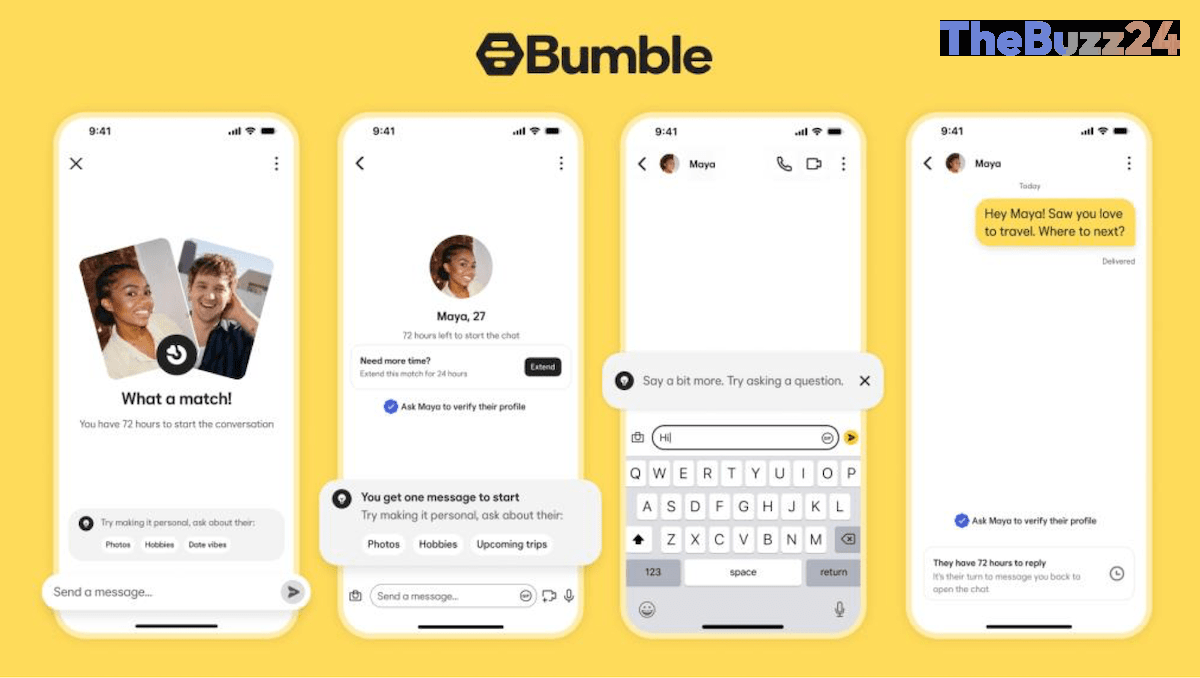
In a major strategic pivot, the popular dating application Bumble has officially retired its decade-long requirement that mandated women initiate the first message in heterosexual matches. This fundamental change allows any user to start a conversation, marking a departure from the platform’s signature feature that defined its market identity since its 2014 inception.
Alongside the messaging update, Bumble is extending the response window for matches from 24 hours to 72 hours. This adjustment is designed to alleviate the pressure of immediate engagement, providing users with greater flexibility and reducing the anxiety associated with constant app monitoring. The company noted that internal surveys indicated a strong preference among users for these changes, with a significant portion of women expressing that they would prefer men to take the lead in initiating contact to reduce dating stress.
This evolution follows a period of financial turbulence for the company, which recently reported a 15.2% year-over-year revenue decline. As the broader online dating industry faces challenges related to user fatigue and market saturation, Bumble is actively experimenting with new features, including AI-driven tools and potential swipe-free experiences, to better cater to the preferences of Gen Z users and revitalize its growth trajectory.
Key Takeaways
- Bumble has removed the mandatory 'women-first' messaging rule, allowing any user to initiate a conversation.
- The response time limit for matches has been tripled from 24 hours to 72 hours to reduce user pressure.
- The policy shift comes as Bumble seeks to reverse a recent decline in revenue and combat widespread user fatigue in the dating app market.
Editor’s Analysis & Impact
Bumble’s decision to abandon its core differentiator is a high-stakes move that reflects the current desperation within the online dating sector. By prioritizing user flexibility over its original brand identity, the company is acknowledging that the ‘women-first’ model—once a revolutionary concept—may now be a friction point in a market dominated by user fatigue and competition from more casual platforms. The shift toward a 72-hour response window and potential AI integration suggests a pivot toward a more ‘low-pressure’ user experience. However, this move risks alienating the core demographic that originally flocked to the app for its specific safety and etiquette standards. Whether this evolution will successfully stem the tide of declining revenue or dilute the brand’s unique value proposition remains the central question for investors and users alike.
Frequently Asked Questions
Q: Can men still wait for women to message first on Bumble?
A: Yes, the new update provides flexibility, meaning users can choose how they want to interact, but the strict requirement for women to initiate has been removed.
Q: Why did Bumble change its 24-hour response rule?
A: Bumble extended the window to 72 hours to reduce the pressure on users to check the app constantly, allowing for more meaningful and less stressful interactions.
AI Disclosure: This article is based on verified data and official reports. Our Team and AI have cross-referenced every financial detail with primary sources to ensure total accuracy.
More from this Category