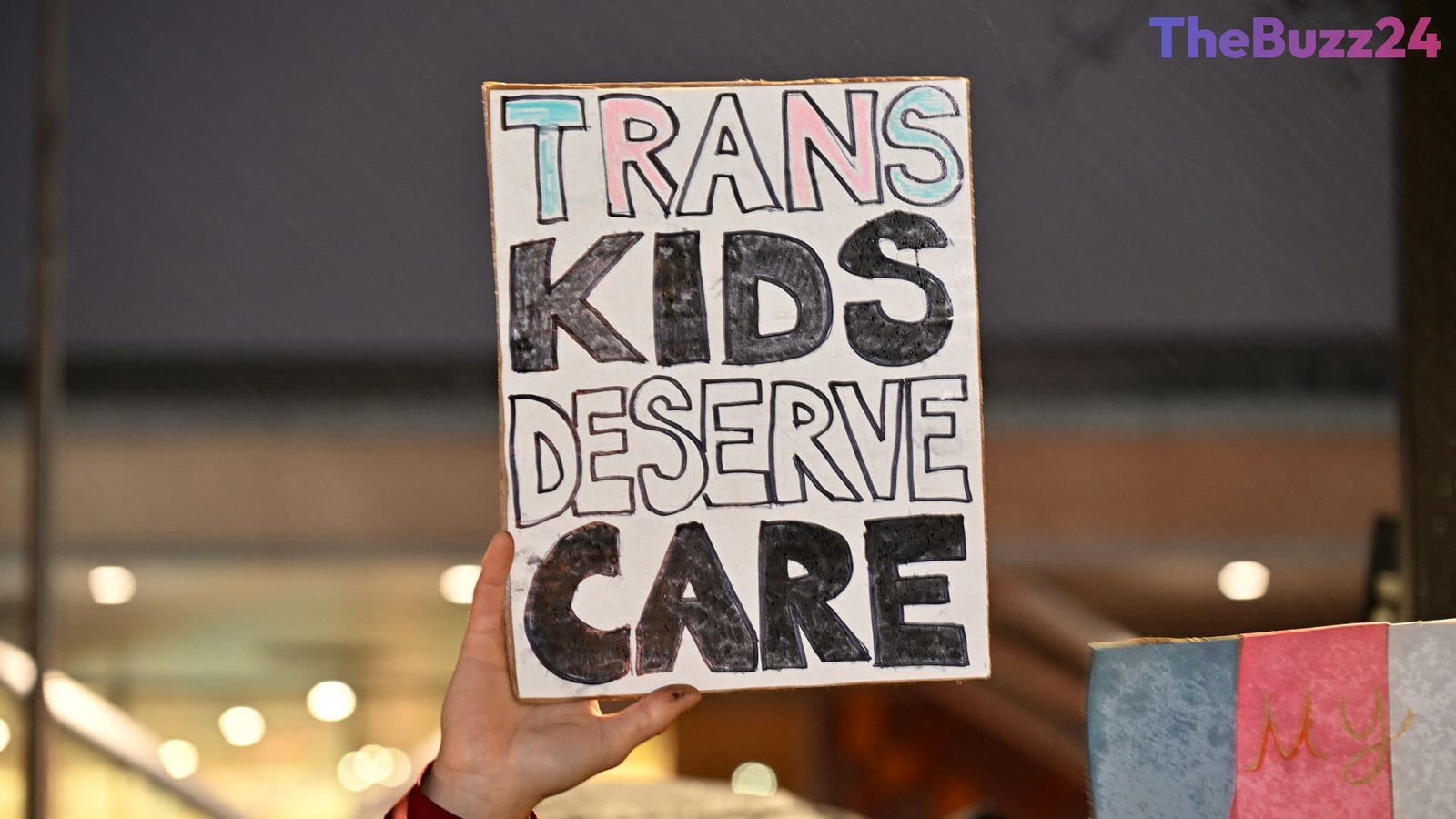
Federal Funding for Youth Gender-Affirming Care to be Discontinued
The Trump administration has announced a significant policy shift that will terminate federal Medicaid and CHIP funding for gender-affirming care provided to children and youth. The new rule, which is scheduled to take effect on October 13, prohibits the use of federal dollars for treatments including puberty blockers, hormone therapy, and surgical procedures. While federal support is being withdrawn, the administration noted that individual states retain the authority to utilize their own state-level healthcare funds to cover these medical services.
The decision follows an internal review conducted by the Department of Health and Human Services (HHS). According to the administration, the review identified significant evidence gaps and safety concerns regarding the long-term efficacy of these medical interventions for minors. Consequently, officials argued that the current body of research is insufficient to justify the continued allocation of federal taxpayer funding for these specific treatments. It is important to note that the new policy does not impact federal coverage for general mental health services for children.
This policy change arrives amidst a broader national trend of legislative efforts by Republican lawmakers to restrict healthcare and legal protections for transgender individuals. With the midterm elections approaching, the administration has explicitly linked this regulatory move to its broader political platform. While the federal government moves to restrict these funds, the medical community remains divided, as many major health organizations continue to advocate for gender-affirming care as a safe and effective standard of practice for youth, citing improved mental health outcomes and reduced suicide risks for patients who receive such support.
Key Takeaways
- The Trump administration is ending federal Medicaid and CHIP funding for gender-affirming care for minors, effective October 13.
- States remain permitted to use their own budgets to cover these medical treatments despite the federal funding ban.
- The administration cited safety concerns and insufficient evidence as the primary justification for the policy change.
Editor’s Analysis & Impact
The administration’s decision to restrict federal funding for gender-affirming care represents a significant intersection of healthcare policy and electoral strategy. By framing the issue around ‘evidence gaps’ and ‘taxpayer funding,’ the administration is attempting to shift the debate from a civil rights issue to one of fiscal responsibility and medical safety. This move is likely to trigger immediate legal challenges from advocacy groups and medical associations that view the policy as discriminatory and harmful to patient outcomes. From an industry perspective, this creates a fragmented healthcare landscape where access to care will become increasingly dependent on state-level politics rather than a uniform federal standard. The long-term implications include potential litigation that could reach the Supreme Court, further polarizing the healthcare sector and complicating the operational landscape for pediatric clinics and insurance providers across the country.
Frequently Asked Questions
Q: Does this rule ban gender-affirming care entirely?
A: No. The rule specifically prohibits the use of federal Medicaid and CHIP funding for these treatments. States may still choose to cover these services using their own state-level funds.
Q: What specific treatments are affected by this policy?
A: The policy applies to federal funding for puberty blockers, hormone therapy, and surgical procedures for children and youth. It does not affect federal coverage for mental health services.
AI Disclosure: This article is based on verified data and official reports. Our Team and AI have cross-referenced every financial detail with primary sources to ensure total accuracy.
More from this Category