Rare Celestial Spectacle: 2026 Total Solar Eclipse to Grace Iceland and Spain
A highly anticipated total solar eclipse is set to captivate skygazers on August 12, 2026, as the Sun, Moon, and Earth align in a rare celestial ballet. Unlike the widely accessible 2024 eclipse that traversed North America, the 2026 event will offer a more exclusive viewing experience, with its path of totality primarily limited to a handful of land areas in the Northern Hemisphere, most notably parts of Iceland and Spain.
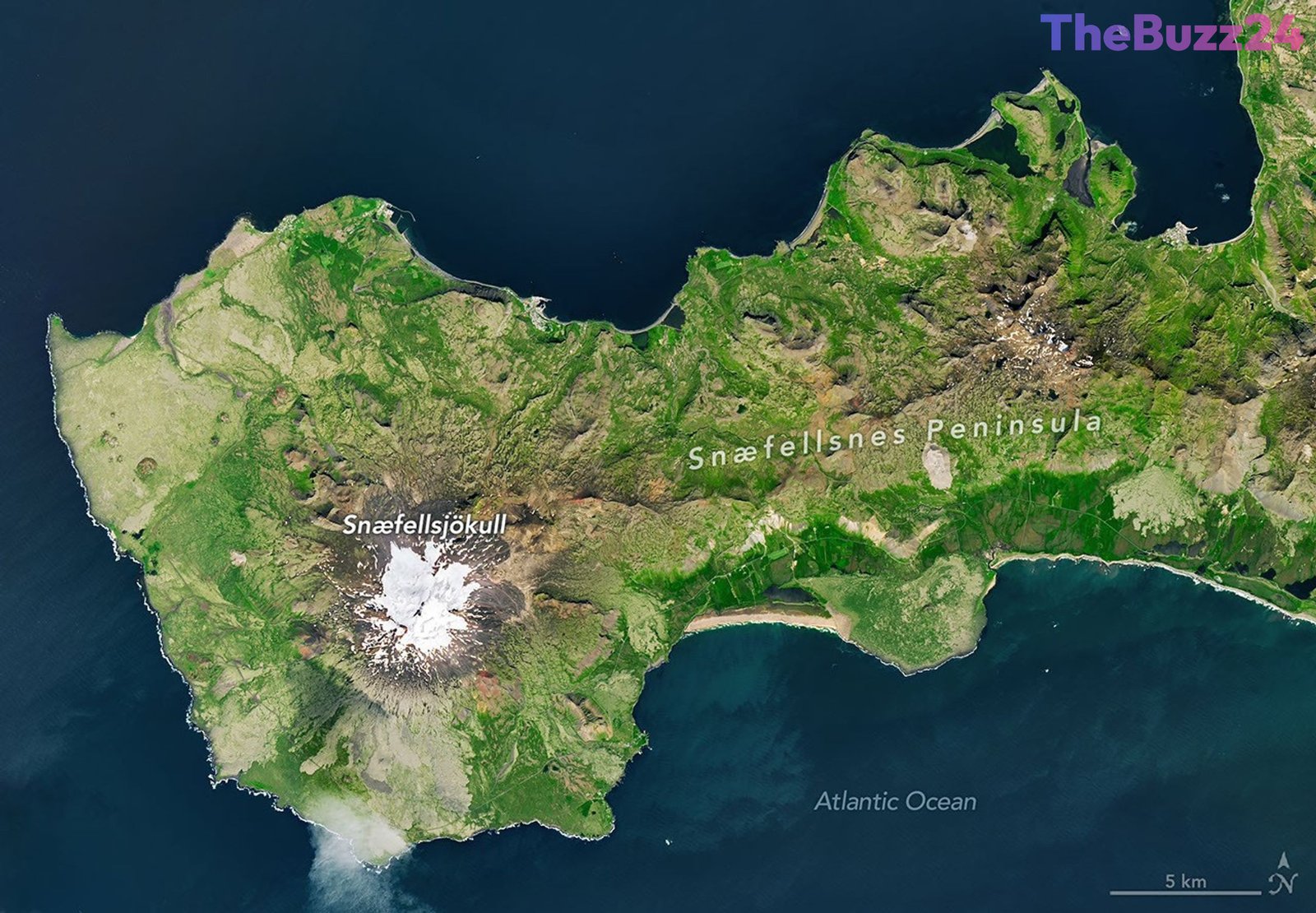
The Moon’s shadow will first sweep across the Arctic Circle from northern Russia, then track along the eastern side of Greenland. By approximately 5:45 p.m. local time in Iceland (17:45 Universal Time), the country’s western fringes, including the picturesque Snæfellsnes peninsula, will begin to witness totality. This sparsely populated region, home to the iconic glacier-capped Snæfellsjökull volcano, is expected to be a prime viewing spot. The Snæfellsjökull, a stratovolcano last active about 1,800 years ago, is not only a national park highlight but also holds literary fame as the entry point in Jules Verne’s classic, “A Journey to the Center of the Earth.” The broader peninsula was also designated a UNESCO biosphere reserve in 2025, boasting diverse flora and volcanic landscapes.
Following its passage over Iceland, the eclipse’s shadow, or umbra, will journey across the North Atlantic before reaching northern Spain shortly before sunset. It will then proceed east-southeast across the country, mirroring the path of the Ebro River. Satellite imagery, such as that from Landsat 8, reveals the Ebro’s journey from the rugged terrain of Parque Natural de Montes Obarenes-San Zadornil, through the vineyards of La Rioja, to its delta on the Mediterranean coast. Historical satellite measurements of cloud cover suggest that viewers in Spain may have a higher probability of clear skies compared to their Icelandic counterparts.
While the full spectacle of totality is reserved for these specific regions, a partial solar eclipse will be observable across a much wider geographical area. This includes the rest of Europe, significant portions of Africa, Canada, and the northern and northeastern United States, allowing millions more to experience a glimpse of this extraordinary astronomical phenomenon.
Key Takeaways
- The August 12, 2026, total solar eclipse will have a limited path of totality, primarily crossing parts of Iceland and Spain.
- Iceland's Snæfellsnes peninsula, home to the Snæfellsjökull volcano, will be a prime viewing location, known for its unique geology and literary connections.
- Viewers in Spain, particularly along the Ebro River, have a higher probability of clear skies compared to Iceland, with a partial eclipse visible across broader regions of Europe, Africa, and North America.
Editor’s Analysis & Impact
The upcoming 2026 total solar eclipse presents a unique opportunity for astrotourism, particularly for Iceland and Spain. Local economies in the path of totality, especially in the Snæfellsnes peninsula and along the Ebro River, are likely to experience a significant boost in tourism, hospitality, and related services. This event underscores the growing interest in celestial phenomena and could inspire further engagement in science education and space observation. The reliance on advanced satellite imagery, such as that from Landsat 9, highlights the critical role of space technology in predicting and understanding these natural events. While the limited land-based viewing areas make it a more exclusive event than the 2024 eclipse, it also creates a concentrated demand, potentially leading to fully booked accommodations and unique viewing experiences in these specific regions.
Frequently Asked Questions
Q: When and where will the 2026 total solar eclipse be visible?
A: The total solar eclipse will occur on August 12, 2026. Its path of totality will primarily cross parts of Iceland and Spain, after first tracking over the Arctic Circle and eastern Greenland.
Q: What makes the Snæfellsjökull volcano significant for eclipse viewing?
A: The glacier-capped Snæfellsjökull volcano on Iceland's Snæfellsnes peninsula is a defining feature of a national park and a UNESCO biosphere reserve. It's also famous from Jules Verne's "A Journey to the Center of the Earth," making it a unique and picturesque location for eclipse observers.
Q: Will a partial eclipse be visible outside of Iceland and Spain?
A: Yes, while the total eclipse is limited to specific areas, a partial solar eclipse will be visible across a much broader region, including the rest of Europe, parts of Africa, Canada, and the northern and northeastern United States.
AI Disclosure: This article is based on verified data and official reports. Our Team and AI have cross-referenced every financial detail with primary sources to ensure total accuracy.
More from this Category