Tragedy on Lake Kariba: State of Disaster Declared After Deadly Ferry Capsizing
A devastating maritime accident has occurred on Lake Kariba in Zimbabwe, where a ferry capsized after being struck by a powerful wave, resulting in the confirmed deaths of at least 44 people. Authorities report that the vessel, which had a designated capacity for 95 individuals, was significantly overcrowded at the time of the incident. Official records indicate that at least 114 adult passengers were ticketed for the journey, though the total number of souls on board remains uncertain due to the presence of children who did not require tickets.
In response to the catastrophe, President Emmerson Mnangagwa has officially declared a state of disaster. This designation is intended to expedite the mobilization of emergency resources, including specialized units from the army, police sub-aqua teams, and private aviation support to assist in the ongoing search and rescue efforts. While 77 survivors have been recovered from the water, rescue teams continue to scour the area as the death toll has steadily climbed from initial estimates.
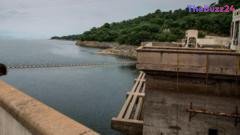
Lake Kariba, a massive man-made reservoir bordering Zambia, serves as a critical transit route for local communities. The incident has sparked urgent calls for accountability from local officials, who are demanding transparency regarding the vessel’s manifest and safety protocols. As the investigation into the cause of the capsizing continues, the government has pledged full support to the affected families during this period of national mourning.
Key Takeaways
- At least 44 people have died after an overcrowded ferry capsized on Lake Kariba due to strong waves.
- President Emmerson Mnangagwa declared a state of disaster to accelerate search and rescue operations involving military and police units.
- While 77 passengers have been rescued, officials are investigating discrepancies in passenger manifests and safety compliance.
Editor’s Analysis & Impact
The Lake Kariba tragedy highlights the persistent risks associated with maritime transport in regions where infrastructure and regulatory oversight may be insufficient. The incident underscores a critical need for stricter enforcement of passenger capacity limits and safety standards on inland waterways. From an industry perspective, this event will likely trigger a government-led audit of ferry operators across Zimbabwe, potentially leading to increased operational costs and more rigorous licensing requirements. In the long term, the disaster serves as a somber reminder of the vulnerability of rural transport networks that rely on aging or poorly regulated vessels. The government’s swift declaration of a state of disaster indicates a high level of political sensitivity, suggesting that future policy will prioritize maritime safety to prevent similar mass-casualty events that threaten public trust in essential transit services.
Frequently Asked Questions
Q: What caused the ferry to capsize on Lake Kariba?
A: According to initial reports, the vessel was struck by a strong wave, which caused it to overturn while it was significantly overcrowded.
Q: What is the current status of the search and rescue operation?
A: A state of disaster has been declared, allowing the government to deploy army boat squadrons, police sub-aqua units, and private helicopters to assist in the search for survivors and the recovery of victims.
AI Disclosure: This article is based on verified data and official reports. Our Team and AI have cross-referenced every financial detail with primary sources to ensure total accuracy.
More from this Category