WWII Soldiers and Motorcycle Emerge from Danube as Drought Reveals Tragic Past
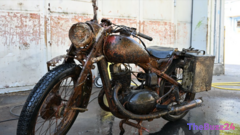
Record-low water levels in the Danube River, exacerbated by an intense drought, have led to a somber discovery in Budapest: the remains of two World War II German soldiers. The soldiers were found with their identification tags, a remarkably preserved German army motorcycle, a wedding ring, and a Kuban shield, a combat badge worn by Wehrmacht soldiers.
The discovery, made by a passerby on August 2, has ignited hope among families who have long sought answers about the fate of their ancestors who disappeared during the war. The German War Graves Commission is now undertaking the complex task of piecing together the identities of the fallen soldiers, a process that could take considerable time.
“Now begins a puzzle, in which we will try to determine the identity of the two dead,” stated Arne Schrader of the German War Graves Commission. The identification tags and the DKW NZ 350-1 motorcycle, believed to have been produced for wartime use from 1944, are in exceptional condition due to the unique composition of the riverbed sludge and oil. This preservation offers a poignant, albeit grim, connection to the past.
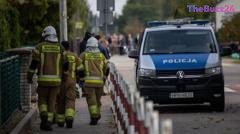
Adding to the gravity of the find, anti-tank mines were also discovered near the site, necessitating the temporary closure of the riverbank and the deployment of a bomb disposal unit. The German War Graves Commission, responsible for locating, recovering, and burying war dead on behalf of the German government, confirmed that one identification tag belonged to a Wehrmacht soldier and the other to a member of the Waffen-SS. The commission noted that the families of these soldiers likely never received official notification of their deaths, as identification tags were split, with one half intended for notification purposes.
Both soldiers are slated to be buried at the German war cemetery in Budaörs, near Budapest, a city that witnessed intense fighting between Soviet and German forces in the final stages of World War II. This discovery serves as a stark reminder of the enduring impact of the war and the hidden histories that can be revealed by environmental changes.
Key Takeaways
- Two World War II German soldiers' remains, along with personal effects and a motorcycle, were discovered in the Danube River due to severe drought-induced low water levels.
- The German War Graves Commission is working to identify the soldiers using their identification tags and other recovered items, offering potential closure for long-waiting families.
- The discovery highlights the historical remnants surfacing due to environmental conditions and serves as a reminder of the intense fighting in Budapest during WWII.
Editor’s Analysis & Impact
This discovery underscores the profound impact of environmental shifts on uncovering historical truths. The severe drought affecting Europe’s rivers, exemplified by the Danube’s record low levels, is not only an economic and ecological concern but also a catalyst for revealing long-lost artifacts and human remains. For the families of WWII soldiers, these finds offer a chance at closure, albeit decades later. The preservation of the motorcycle and identification tags speaks to the unique conditions of the riverbed. This event also brings renewed attention to the historical significance of regions like Budapest, which were central to major conflicts, and prompts reflection on how climate change might continue to expose hidden chapters of human history.
Frequently Asked Questions
Q: Why were the soldiers' remains and artifacts found now?
A: The remains and artifacts were found due to record-low water levels in the Danube River, caused by an intense drought. These low levels exposed parts of the riverbed that had been submerged for decades.
Q: What is the significance of the identification tags and motorcycle?
A: The identification tags are crucial for identifying the soldiers. The remarkably well-preserved German army motorcycle, a DKW NZ 350-1 model, along with a wedding ring and Kuban shield, provide further context and potential clues to their identities and the circumstances of their demise.
Q: What happens to the remains and recovered items?
A: The German War Graves Commission is investigating to determine the soldiers' identities. Once identified, the soldiers are to be given a dignified burial at the German war cemetery in Budaörs, near Budapest.
AI Disclosure: This article is based on verified data and official reports. Our Team and AI have cross-referenced every financial detail with primary sources to ensure total accuracy.
More from this Category