Architect of China’s Economic Boom: Former Premier Zhu Rongji Passes Away at 97
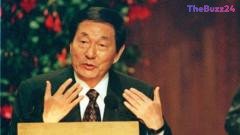
Former Chinese Premier Zhu Rongji, a pivotal figure who masterminded China’s integration into the global trading system and established the groundwork for its unprecedented economic expansion, has passed away at the age of 97. Serving in the nation’s second-highest political office from 1998 to 2003, Zhu was the driving force behind Beijing’s accession to the World Trade Organization, a monumental milestone that welcomed foreign investment and opened domestic manufacturing to international markets.
Renowned as a fierce and pragmatic reformer, Zhu implemented sweeping structural changes. He centralized tax collection authorities, promoted private homeownership, and restructured or privatized failing state-owned enterprises. Despite his success in steering the country through complex economic challenges and curbing official corruption, his aggressive reforms were not without controversy. The economic restructuring resulted in widespread layoffs affecting millions of workers over a five-year period and contributed to a widening wealth gap across the nation.
Born in Hunan province in 1928, Zhu’s political journey was marked by resilience. An electrical engineering graduate who joined the Communist Party in 1949, he faced political purges during the Mao Zedong era after challenging irrational economic policies and during the Cultural Revolution. Reinstated following Mao’s death, he steadily climbed the political ladder to oversee the national economy as vice-premier before assuming the premiership in 1998, leaving behind a legacy defined by profound industrial transformation.
Key Takeaways
- Former Chinese Premier Zhu Rongji has died at the age of 97.
- He played a crucial role in securing China's entry into the World Trade Organization in 2002.
- His bold economic reforms transformed China into a global manufacturing powerhouse, though they also caused significant short-term layoffs and inequality.
Editor’s Analysis & Impact
The passing of Zhu Rongji marks the end of an era for one of modern China’s most consequential economic architects. His tenure as premier defined the foundational framework that allowed China to transition from an isolated communist economy into an export-heavy manufacturing juggernaut. While his pragmatic approach and aggressive privatization successfully modernized the nation’s financial systems, the social costs—such as massive worker layoffs and rising income inequality—continue to resonate within China’s socioeconomic landscape today. Understanding Zhu’s legacy provides vital context for how contemporary Chinese economic policy balances state intervention with global market integration.
Frequently Asked Questions
Q: Who was Zhu Rongji?
A: Zhu Rongji served as the Premier of the People's Republic of China from 1998 to 2003 and was a key economic reformer responsible for integrating China into global trade.
Q: What were Zhu Rongji's main economic achievements?
A: His major achievements include leading negotiations for China's entry into the World Trade Organization, centralizing tax powers, promoting homeownership, and restructuring state-owned enterprises to drive explosive economic growth.
Q: Why were Zhu Rongji's reforms controversial?
A: While his policies modernized the economy and drew foreign investment, the privatization and restructuring of state firms led to millions of job layoffs and exacerbated the wealth gap.
AI Disclosure: This article is based on verified data and official reports. Our Team and AI have cross-referenced every financial detail with primary sources to ensure total accuracy.
More from this Category