Powering the AI Boom: Form Energy Secures $750M to Scale 100-Hour Grid Batteries
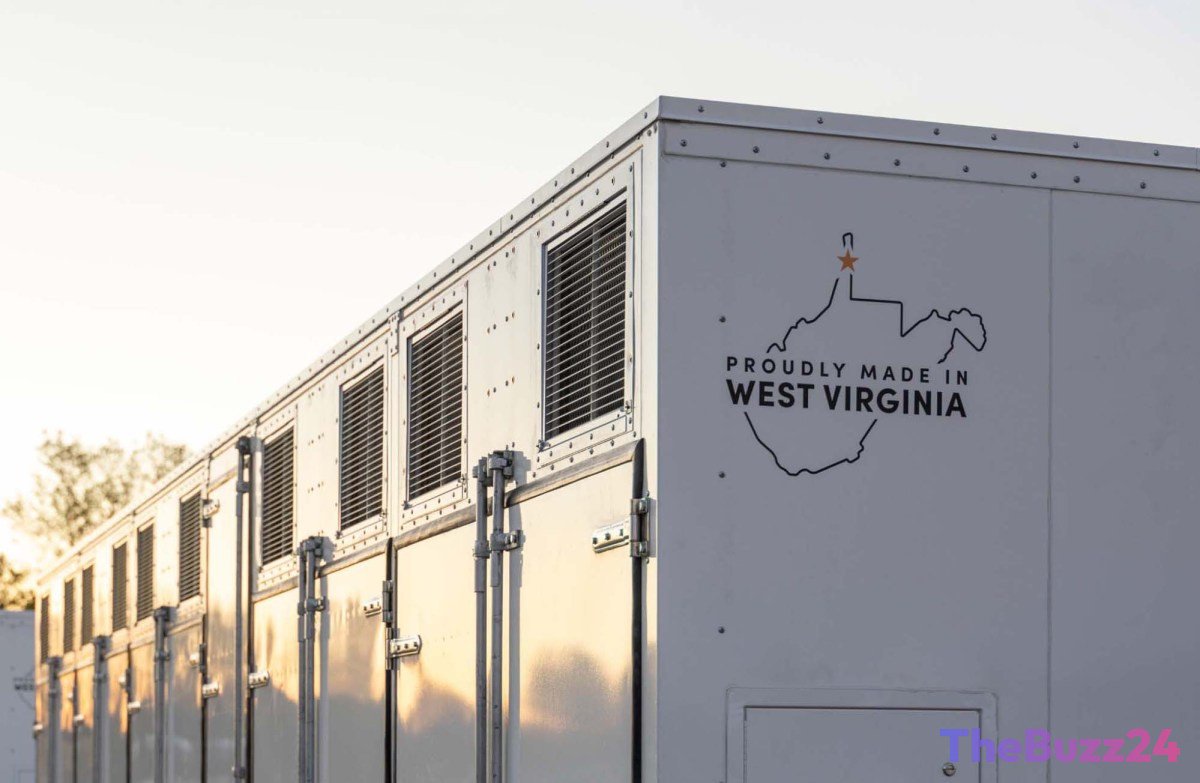
Energy storage pioneer Form Energy has successfully secured $750 million in a Series G funding round, aiming to dramatically scale up its manufacturing capabilities in West Virginia. This massive capital injection comes at a critical juncture as the rapid expansion of artificial intelligence data centers drives unprecedented demand for reliable, long-duration grid storage. With electricity consumption rising across the United States for the first time in decades, the need for robust infrastructure to support intermittent renewable energy has never been more urgent.
Unlike conventional lithium-ion batteries that typically discharge power for only a few hours, Form Energy specializes in proprietary iron-air battery technology capable of delivering electricity for up to 100 hours. The innovative chemistry relies on the oxidation and reduction of iron—essentially rusting and unrusting the metal to store and release energy. By utilizing abundant iron instead of expensive and supply-constrained minerals like lithium, cobalt, and nickel, the company offers a highly cost-effective solution for bridging power gaps when wind and solar generation are offline.
This cost advantage and extended duration have attracted major commercial interest. Tech giant Google is integrating a massive 30-gigawatt-hour Form Energy battery system to help power its new data center in Minnesota, while digital infrastructure firm Crusoe has committed to purchasing 12 gigawatt-hours of storage. Other notable clients include utility provider Xcel Energy and FuturEnergy Ireland. Form Energy’s commercial backlog has surged to approximately 80 gigawatt-hours, representing a fourfold increase from earlier this year.
Geopolitical resilience is another key driver of the startup’s rapid growth. Form Energy sources roughly 80% of its materials domestically within the United States, with the remainder coming from Europe and Asia, intentionally bypassing Chinese supply chains. This domestic focus aligns with broader federal efforts to reduce reliance on foreign battery manufacturing. The latest funding round was led by T. Rowe Price, with participation from prominent investors including Sequoia Capital, Janus Henderson, and Breakthrough Energy Ventures, positioning Form Energy at the forefront of the clean energy transition.
Key Takeaways
- Form Energy raised $750 million in Series G funding to expand its West Virginia manufacturing facility and meet skyrocketing energy storage demands.
- The company's unique iron-air battery technology can discharge power for up to 100 hours, offering a cheaper, long-duration alternative to traditional lithium-ion batteries.
- Driven by the AI data center boom, Form Energy has built an 80-gigawatt-hour project backlog, securing major deals with Google, Crusoe, and Xcel Energy.
Editor’s Analysis & Impact
The massive $750 million funding round for Form Energy underscores a pivotal shift in the energy sector: the transition from short-term battery storage to long-duration grid resilience. As AI data centers project a fourfold increase in electricity consumption by 2035—potentially consuming 20% of all U.S. power—traditional grid infrastructure is facing unprecedented strain. Form Energy’s iron-air technology directly addresses this vulnerability by offering a cost-effective, 100-hour discharge capability that stabilizes renewable energy integration. Furthermore, by establishing a supply chain that is 80% domestic and entirely independent of China, Form Energy mitigates geopolitical and tariff risks. This strategic positioning not only secures its supply chain but also makes it an incredibly attractive partner for tech giants and utility companies aiming to meet aggressive decarbonization goals amid soaring power demands.
Frequently Asked Questions
Q: How do Form Energy's iron-air batteries work?
A: Form Energy's batteries use a unique rust-based chemistry. During discharge, the battery takes in oxygen from the air and converts iron metal into rust, generating electricity. When charging, an electrical current reverses the process, converting the rust back into iron and releasing oxygen.
Q: Why is long-duration energy storage important for the grid?
A: Renewable energy sources like wind and solar are intermittent, meaning they do not produce power continuously. Long-duration storage, like Form Energy's 100-hour batteries, bridges these multi-day gaps, ensuring a reliable and continuous power supply even during extended periods of low wind or sunlight.
Q: Who are Form Energy's major customers and investors?
A: Major customers include Google, Crusoe, and utility provider Xcel Energy. The company's recent $750 million Series G funding round was led by T. Rowe Price, with participation from Sequoia Capital, Janus Henderson, and Breakthrough Energy Ventures, among others.
AI Disclosure: This article is based on verified data and official reports. Our Team and AI have cross-referenced every financial detail with primary sources to ensure total accuracy.
More from this Category