Lakers Valued at $12.5 Billion as Bob Iger and Joshua Kushner Acquire Majority Stake
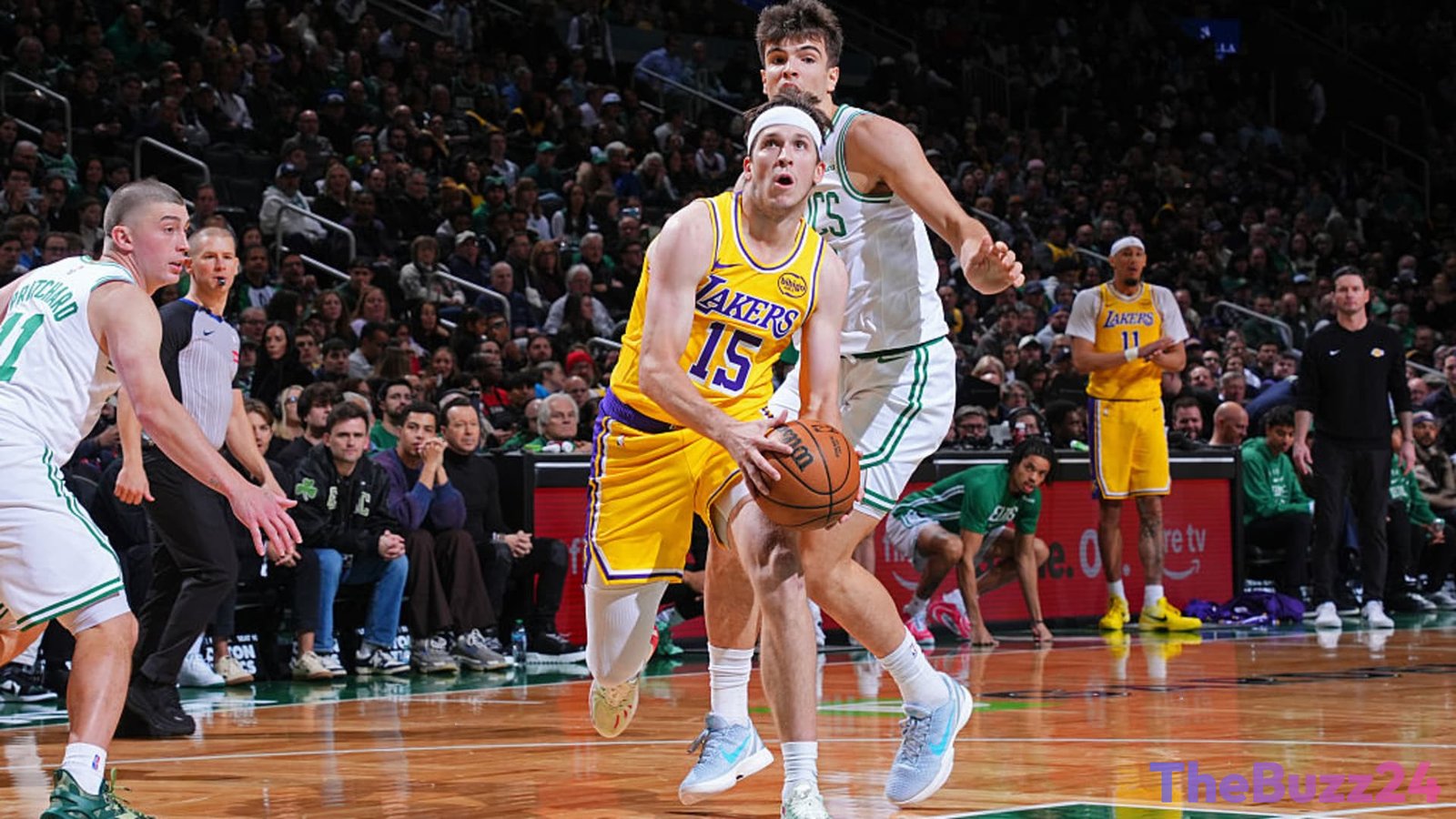
The Los Angeles Lakers, one of the NBA’s most storied franchises, have once again changed hands in a high-profile transaction. Joshua Kushner, founder of venture capital firm Thrive Capital, and Bob Iger, the former long-time CEO of Disney, have jointly acquired a majority equity stake in the team. This significant deal values the iconic basketball organization at an impressive $12.5 billion.
The sale comes less than a year after Mark Walter, who also holds stakes in MLB’s Los Angeles Dodgers, English Premier League soccer team Chelsea, and the WNBA’s Los Angeles Sparks, had acquired a controlling interest in the Lakers at a $10 billion valuation. Kushner and Iger, who previously partnered when Iger joined Thrive Capital earlier this year, expressed their enthusiasm for the acquisition. In a joint statement, they affirmed their deep honor to become stewards of the franchise, acknowledging the legacy of Jerry and Jeanie Buss and committing to building on that foundation to compete at the highest level and serve the team, its fans, and the city of Los Angeles.
Walter’s divestment of his Lakers stake occurs amid a period of scrutiny for his broader business empire. Recent reports indicate that the Securities and Exchange Commission and U.S. prosecutors are investigating potential financial improprieties at two of Walter’s insurance companies and at Guggenheim Partners, the sprawling financial firm he co-founded and leads. Additionally, Walter’s health has reportedly been a concern within his business circles following a stroke in 2024. This sale specifically pertains to his Lakers ownership, separate from his other extensive sports and financial holdings.
Both Iger and Kushner bring considerable business acumen to their new roles. Iger, 75, concluded a nearly two-decade tenure at the helm of Disney, while Kushner is a prominent figure in the venture capital world. Their acquisition signals a continued trend of high-profile investors recognizing the immense value and cultural significance of major sports franchises.
Key Takeaways
- Joshua Kushner and Bob Iger have acquired a majority stake in the Los Angeles Lakers, valuing the franchise at $12.5 billion.
- The sale by Mark Walter occurred less than a year after he initially purchased a controlling interest, amidst investigations into his financial firms and recent health concerns.
- The new owners, Iger and Kushner, have expressed a long-term commitment to the Lakers, aiming to build on its legacy and compete at the highest level.
Editor’s Analysis & Impact
This transaction underscores the escalating valuations of premier sports franchises, particularly in the NBA, signaling robust investor confidence in the long-term profitability and brand power of these assets. The $2.5 billion increase in the Lakers’ valuation within a year highlights the dynamic and often speculative nature of the sports ownership market. The entry of figures like Bob Iger and Joshua Kushner, with their extensive backgrounds in media, technology, and finance, could usher in new strategic directions for the Lakers, potentially leveraging their expertise in brand building and digital engagement. This deal also reflects the complex interplay between sports ownership and broader financial landscapes, as the seller’s recent business challenges may have influenced the timing of the sale. It sets a precedent for future valuations and ownership changes across the sports industry.
Frequently Asked Questions
Q: Who are the new majority owners of the Los Angeles Lakers?
A: Joshua Kushner, founder of Thrive Capital, and Bob Iger, former CEO of Disney, have jointly acquired the majority equity stake in the Los Angeles Lakers.
Q: What is the valuation of the Los Angeles Lakers in this latest sale?
A: The Los Angeles Lakers franchise was valued at $12.5 billion in this recent transaction.
Q: Why did Mark Walter sell his stake in the Lakers so soon after acquiring it?
A: Mark Walter's sale comes amidst reports of investigations into his financial companies and recent health issues. While the specific reasons for the quick divestment of his Lakers stake were not explicitly detailed as directly linked to these issues, they provide context to the timing of the sale.
AI Disclosure: This article is based on verified data and official reports. Our Team and AI have cross-referenced every financial detail with primary sources to ensure total accuracy.
More from this Category