Zambia Heads to the Polls in High-Stakes Presidential Election Testing Democratic Resilience
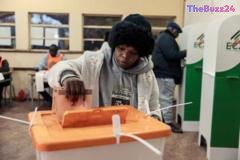
Millions of Zambians headed to the polls on Thursday to cast their ballots in a highly anticipated general election, widely viewed as a crucial test for one of Africa’s most stable democracies. With over eight million registered voters, polling stations across the country opened early in the morning, drawing long queues of citizens eager to shape the nation’s political and economic future. The election comes amid growing concerns over political freedoms and persistent economic challenges, including high unemployment and a soaring cost of living.
The presidential race is primarily a contest between the incumbent, 64-year-old Hakainde Hichilema, and his chief challenger, Brian Mundubile. Hichilema, who secured the presidency in 2021 after five previous attempts, is campaigning on his record of economic recovery, infrastructure development, and job creation. Meanwhile, Mundubile, a former minister under the Patriotic Front (PF) administration, has rallied support from loyalists of the late former President Edgar Lungu. The political atmosphere has been further strained by an ongoing, bitter dispute between Lungu’s family and the current administration regarding the burial of the late leader, whose body remains in South Africa.
Public sentiment remains deeply divided as voters weigh Hichilema’s promises of long-term stability against immediate economic pressures. While some citizens praise the administration for introducing social benefits like student meal allowances, others express deep frustration over the slow pace of economic relief. To secure an outright victory and avoid a second-round run-off within 37 days, a presidential candidate must secure more than 50 percent of the total votes cast.
Key Takeaways
- Over eight million registered voters in Zambia are participating in a pivotal election testing the nation's democratic stability.
- The election is a tight race between incumbent President Hakainde Hichilema and opposition challenger Brian Mundubile.
- Key voter concerns center on the high cost of living and unemployment, alongside political tensions linked to the unburied body of former President Edgar Lungu.
Editor’s Analysis & Impact
This election is a critical juncture for Zambia, serving as a litmus test for President Hakainde Hichilema’s market-friendly economic reforms. While Hichilema has successfully restructured much of Zambia’s sovereign debt and initiated an ambitious infrastructure drive, the benefits have yet to trickle down to ordinary citizens struggling with inflation and high living costs. A victory for Hichilema would likely reassure international investors and lenders, ensuring policy continuity and further economic stabilization. Conversely, an opposition victory under Brian Mundubile could signal a shift back toward the populist policies of the Patriotic Front era, potentially complicating relations with international financial institutions. Beyond economics, the peaceful conduct of this election is vital for maintaining Zambia’s reputation as a beacon of democratic stability in a region recently marred by political upheaval.
Frequently Asked Questions
Q: Who are the main candidates in the Zambian presidential election?
A: The election is primarily a contest between the incumbent President Hakainde Hichilema and his main challenger, Brian Mundubile of the Patriotic Front.
Q: What are the key issues driving voters in this election?
A: Voters are highly focused on economic issues, particularly high unemployment, the rising cost of living, and the pace of the country's economic recovery.
Q: What is required for a candidate to win the presidency outright?
A: A presidential candidate must secure more than 50% of the total votes cast to win in the first round. If no candidate reaches this threshold, a run-off election must be held within 37 days.
AI Disclosure: This article is based on verified data and official reports. Our Team and AI have cross-referenced every financial detail with primary sources to ensure total accuracy.
More from this Category