Masterpieces Vanish: Four Priceless Renaissance Paintings Stolen from Sicilian Museum
Four significant Renaissance paintings, described as being of “extraordinary value,” have been stolen from the Regional Interdisciplinary Museum of Messina in Sicily. The theft, which occurred Saturday night, has sent shockwaves through the art world and prompted an immediate police investigation.
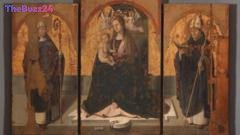
The stolen works include three panels from the Polyptych of San Gregorio and a unique double-sided panel depicting the Madonna with Child and Christ in Pietà. All four pieces are attributed to the renowned 15th-century Sicilian master, Antonello da Messina. Authorities are meticulously examining how the perpetrators managed to bypass the museum’s security systems without triggering any alarms, raising questions about the effectiveness of current museum security protocols.
Investigators are reportedly operating under the initial theory that the paintings were specifically targeted and stolen to order for the black market. The method of removal, with the Madonna and Christ in Pietà taken directly from a secure display case, suggests a sophisticated operation. The fact that the artworks are on wooden panels, making them difficult to conceal or transport discreetly, adds another layer to the mystery of their disappearance.
This incident is the latest in a concerning trend of high-profile art thefts across Europe. It follows closely on the heels of a successful recovery by Italy’s art crime unit of three valuable paintings by Cézanne, Renoir, and Matisse, which had been stolen from another Italian museum. The brazenness of these thefts, including a daylight heist at the Louvre last year involving millions of euros worth of jewelry, highlights ongoing vulnerabilities in the safeguarding of cultural heritage.
Key Takeaways
- Four valuable Renaissance paintings by Antonello da Messina were stolen from a museum in Sicily.
- The theft occurred overnight, bypassing museum alarms, and is being investigated as a potential targeted black market operation.
- This incident adds to a growing concern over art heists in European museums.
Editor’s Analysis & Impact
The theft of these Antonello da Messina masterpieces underscores a persistent challenge for cultural institutions worldwide: the vulnerability of priceless art to sophisticated criminal enterprises. The apparent ease with which the thieves bypassed security suggests a need for enhanced technological and procedural safeguards in museums, particularly those housing high-value items. This incident, occurring amidst a series of similar European heists, points to a potential resurgence of organized art theft rings. The focus on ‘stolen to order’ implies a well-established black market, demanding greater international cooperation between law enforcement and art recovery specialists to disrupt these networks and protect global heritage.
Frequently Asked Questions
Q: Who was Antonello da Messina?
A: Antonello da Messina was a highly influential Italian painter of the early Renaissance, born and raised in Sicily. He is celebrated for his mastery of oil painting techniques, which he learned from Northern European artists, and his ability to blend Flemish realism with Italian Renaissance ideals.
Q: What is the significance of the stolen paintings?
A: The stolen works, including panels from the Polyptych of San Gregorio and a double-sided panel, are attributed to Antonello da Messina and are considered to be of 'extraordinary value.' They represent significant pieces of Sicilian and Renaissance art history, commissioned for religious and potentially private devotion.
Q: What are the implications of this theft for museums?
A: This theft highlights the ongoing security challenges faced by museums. It suggests that even seemingly secure institutions can be vulnerable to well-planned heists, prompting a re-evaluation of security measures, alarm systems, and surveillance technologies to better protect invaluable cultural artifacts from theft and the black market.
AI Disclosure: This article is based on verified data and official reports. Our Team and AI have cross-referenced every financial detail with primary sources to ensure total accuracy.
More from this Category