Record Deluge Triggers Deadly Landslide in South Korea
Torrential downpours have inundated the Gyeongsang province of South Korea, leading to a devastating landslide that claimed one life and injured two others. The incident occurred in the southeastern city of Geoje on Monday morning when the landslide struck the ground floor of an apartment building.
Emergency responders successfully extracted three individuals from the debris. Tragically, one of the rescued persons was later pronounced dead. This extreme weather event follows a pattern of severe rainfall across East and Southeast Asia, with neighboring countries like Japan and the Philippines also experiencing significant flooding and landslides.
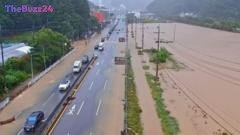
Geoje recorded an astonishing 124.5 millimeters of rain within a single hour, marking the highest hourly rainfall since meteorological records began for the city in 1972. Over the course of Sunday and Monday, the city accumulated more than 400 millimeters of rain overnight. Social media footage depicted cars submerged and streets overwhelmed by powerful currents.
In response to the hazardous conditions, Geoje city authorities announced the temporary closure of several tourist attractions. Public transportation, including bus services, and municipal waste collection were also halted due to flooded and damaged roadways. Officials had previously advised residents to refrain from driving, stay clear of riverbanks, and evacuate to safer locations if necessary.
The region has been experiencing a series of intense storms this month, contributing to widespread infrastructure damage. Forecasters attribute the heightened intensity of this year’s typhoon season, in part, to a robust El Niño phenomenon that commenced in June, which is known to elevate global temperatures and amplify typhoon strength.
Key Takeaways
- A landslide in Geoje, South Korea, caused by record rainfall, resulted in one fatality and two injuries.
- Geoje experienced its highest hourly rainfall on record, with over 400mm falling in a single night.
- The extreme weather event is part of a broader pattern of intense storms affecting East and Southeast Asia, potentially linked to El Niño.
Editor’s Analysis & Impact
This incident underscores the increasing vulnerability of urban and residential areas to extreme weather events, exacerbated by climate change and phenomena like El Niño. The record rainfall in Geoje highlights the critical need for enhanced urban planning, robust infrastructure, and effective early warning systems in regions prone to such deluges. The economic impact, including disruptions to public services and potential damage to property and infrastructure, will likely be significant for Geoje and surrounding areas. This event serves as a stark reminder for governments and communities worldwide to prioritize climate resilience and disaster preparedness measures.
Frequently Asked Questions
Q: What caused the landslide in Geoje?
A: The landslide was triggered by an unprecedented amount of rainfall in a short period, overwhelming the local terrain and causing a section of an apartment building to be buried.
Q: Is this extreme weather isolated to South Korea?
A: No, similar extreme rainfall, flooding, and landslide events have been reported in other parts of East and Southeast Asia, including Japan and the Philippines, during the same period.
Q: What is El Niño and how might it be related?
A: El Niño is a climate pattern characterized by warmer-than-average sea surface temperatures in the central and eastern Pacific Ocean. It can influence global weather patterns, often leading to more intense storms and altered rainfall patterns in various regions, potentially contributing to the severity of this year's typhoon season.
AI Disclosure: This article is based on verified data and official reports. Our Team and AI have cross-referenced every financial detail with primary sources to ensure total accuracy.
More from this Category