Gulf Tensions Escalate: UAE Halts Iran Trade Amid Missile Reports and Stalled US Talks
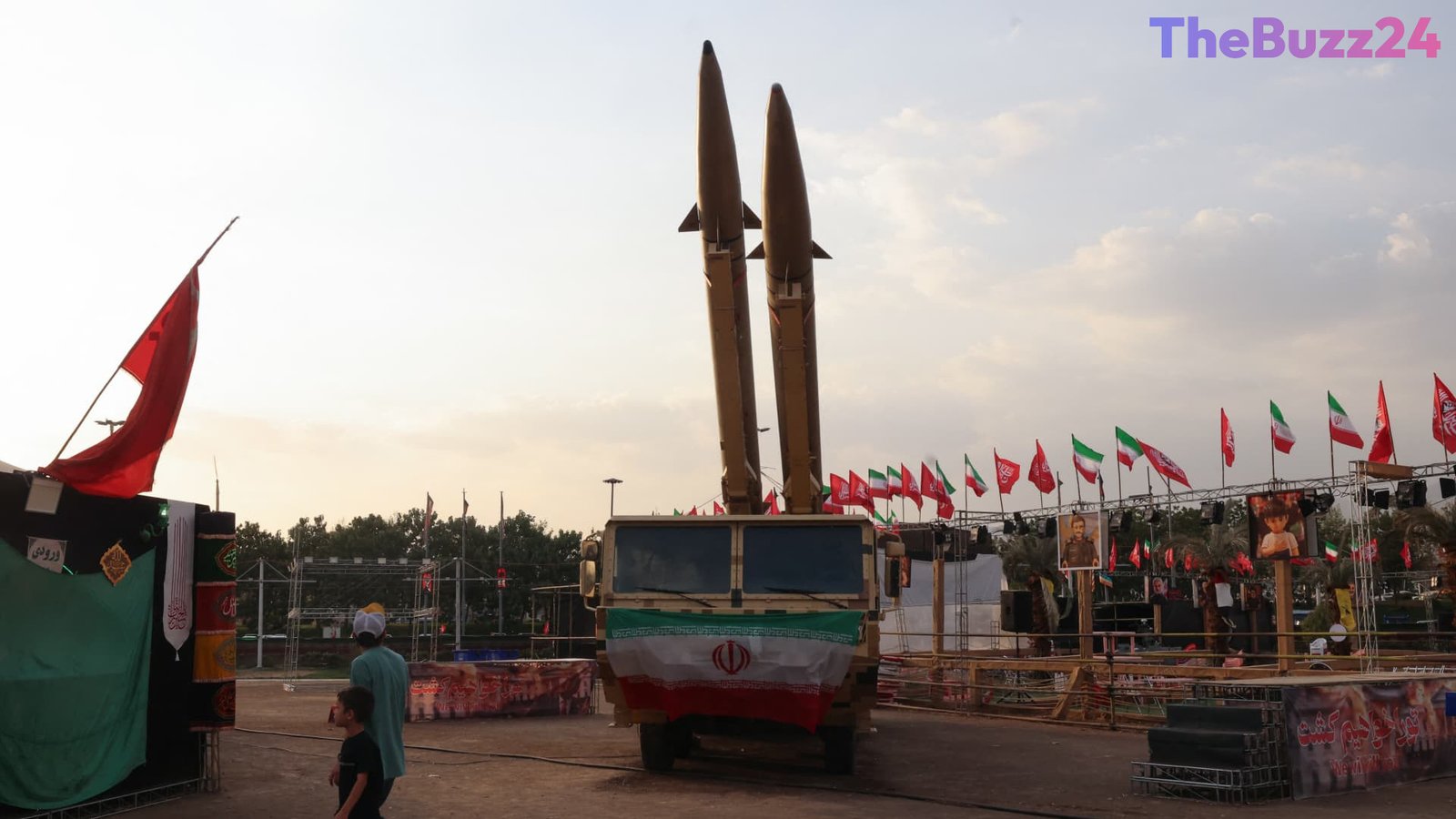
The United Arab Emirates has announced the suspension of all trade and financial transactions with Iran, citing the launch of two ballistic missiles towards its territorial waters. While the missiles reportedly fell harmlessly into the sea without causing damage or casualties, the incident marks a concerning return of conflict to the Gulf economy’s doorstep after a period of relative calm. This move follows earlier tensions this year, which saw weeks of Iranian drone and missile attacks on the UAE, impacting its tourism and aviation sectors.
The UAE government stated that the indefinite suspension of trade was enacted “in light of regional escalations that undermine regional and international peace and security.” However, Iranian Foreign Ministry spokesman Esmail Baghaei has publicly denied Tehran’s involvement in launching any missiles towards the UAE, adding another layer of complexity to the escalating situation.
This latest development unfolds amidst a complete breakdown in diplomatic efforts between the United States and Iran. President Donald Trump confirmed on Tuesday that no talks are currently underway with Tehran, nor are there any plans to restart them. This statement aligns with previous assertions from Iran and underscores the volatile deadlock in the prolonged conflict, especially after the expiration of a 60-day ceasefire agreement without renewal.
A critical point of contention remains the control and safety of the Strait of Hormuz, a vital global shipping artery. Despite President Trump’s repeated claims that the waterway is open and under U.S. control, observed shipping traffic through the passage remains notably low. The precarious situation was further highlighted by a recent attack on a cargo vessel transiting the strait, which resulted in one fatality. Reports also suggest Iran is considering potential attacks on U.S. military targets in Europe if the conflict intensifies, while President Trump has recently extended his sharp rhetoric to long-standing U.S. allies, including threatening Oman and reducing joint military drills with South Korea.
Key Takeaways
- The UAE has suspended all trade and financial transactions with Iran following reports of two ballistic missile launches towards its waters.
- Diplomatic talks between the United States and Iran have completely collapsed, leaving the regional standoff in a volatile deadlock.
- The Strait of Hormuz remains a critical flashpoint, experiencing low shipping traffic and a recent fatal attack on a cargo vessel.
Editor’s Analysis & Impact
The UAE’s decision to suspend trade with Iran signals a significant escalation in Gulf regional tensions, with immediate implications for economic stability and shipping. This move, coupled with the confirmed breakdown of U.S.-Iran talks, deepens the geopolitical uncertainty in the Middle East. Industries reliant on Gulf shipping, particularly oil and gas, face increased volatility and potential supply chain disruptions. The broader implications include a heightened risk of military confrontation, further destabilization of international trade routes, and a potential realignment of regional alliances. The lack of diplomatic channels suggests a prolonged period of high alert, impacting investor confidence and potentially leading to a downturn in regional tourism and foreign investment.
Frequently Asked Questions
Q: Why did the UAE suspend trade with Iran?
A: The UAE suspended trade after reporting that two ballistic missiles were launched from Iran towards its territorial waters, citing regional escalations that undermine peace and security.
Q: What is the current status of U.S.-Iran diplomatic talks?
A: President Donald Trump confirmed that the U.S. is not currently in talks with Iran and has no plans to restart them, indicating a complete breakdown in diplomatic efforts.
Q: How has the Strait of Hormuz been affected by the recent tensions?
A: Despite claims of being open, shipping traffic through the Strait of Hormuz remains low, and a recent attack on a cargo vessel transiting the strait resulted in one fatality, highlighting the ongoing security concerns in the vital waterway.
AI Disclosure: This article is based on verified data and official reports. Our Team and AI have cross-referenced every financial detail with primary sources to ensure total accuracy.
More from this Category