Anduril Secures $2.9 Billion Navy Contract to Expand Submarine Production
Defense technology firm Anduril has been awarded a contract worth up to $2.9 billion by the U.S. Navy to bolster the production of critical components for Virginia-class submarines. This significant agreement marks a strategic shift for the company, which is traditionally known for its autonomous drone and maritime systems, as it moves into the conventional shipbuilding supply chain. To support this initiative, Anduril is investing $3.7 billion into a new 2-million-square-foot shipyard located at Sparrows Point, Maryland. The facility is expected to begin operations by 2030 and is projected to generate approximately 3,100 jobs.
In addition to the Maryland site, the company will utilize a 160,000-square-foot facility in Orange County, California, to manufacture specialized components, including torpedo tubes. According to Anduril leadership, the goal is to integrate the company as a vital partner for lead shipbuilders like General Dynamics Electric Boat and Huntington Ingalls Industries, helping to meet the nation’s growing demand for advanced naval vessels.
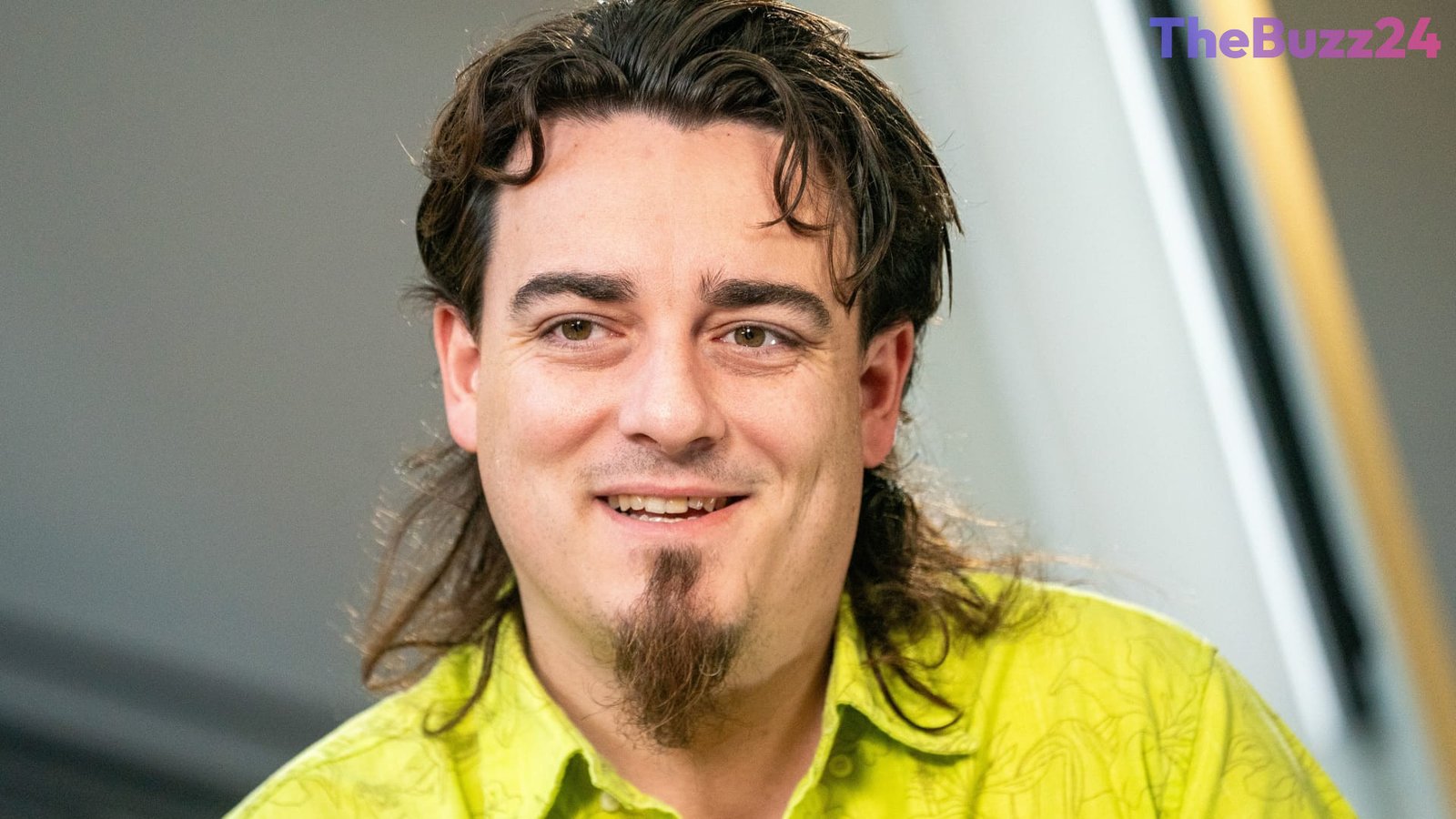
The contract announcement follows the recent appointment of Anduril co-founder Palmer Luckey to the Pentagon’s Project Meridian, a task force focused on identifying and developing technologies for future conflicts. The initiative also includes high-profile figures such as SpaceX CEO Elon Musk and former House Speaker Newt Gingrich. While the intersection of defense tech leadership and government advisory roles has drawn attention, Pentagon officials have dismissed concerns regarding potential conflicts of interest, emphasizing that the diverse mix of industry and military experts is essential for national security preparedness.
This development underscores a broader trend of defense technology firms gaining increased influence in Washington as the government prioritizes the modernization of the U.S. industrial base. By reimagining traditional shipyard operations and focusing on scalable, autonomous-adjacent manufacturing, Anduril aims to address long-standing bottlenecks in the submarine supply chain, aligning with national efforts to enhance maritime capabilities.
Key Takeaways
- Anduril has secured a $2.9 billion Navy contract to manufacture components for Virginia-class submarines.
- The company is investing $3.7 billion in a new Maryland shipyard, expected to create over 3,000 jobs by 2030.
- Co-founder Palmer Luckey’s appointment to the Pentagon's Project Meridian highlights the deepening ties between Silicon Valley defense firms and federal military strategy.
Editor’s Analysis & Impact
The awarding of this contract to Anduril signals a pivotal shift in the U.S. defense industrial base. By integrating agile, tech-forward companies into the traditional shipbuilding sector, the Navy is attempting to bypass the capacity constraints that have historically plagued the Virginia-class program. The involvement of figures like Palmer Luckey and Elon Musk in Pentagon advisory roles suggests that the Department of Defense is aggressively pivoting toward a ‘Silicon Valley-style’ approach to hardware production, prioritizing speed and scalability. While this strategy promises to modernize the supply chain, it also invites scrutiny regarding the concentration of influence among a small group of tech-adjacent defense contractors. Moving forward, the success of the Sparrows Point facility will be a bellwether for whether private-sector innovation can effectively revitalize the nation’s aging maritime manufacturing infrastructure.
Frequently Asked Questions
Q: What is the primary purpose of the new $3.7 billion shipyard in Maryland?
A: The facility is designed to manufacture components for Virginia-class submarines, helping to expand the U.S. Navy's production capacity and address supply chain bottlenecks.
Q: What is Project Meridian?
A: Project Meridian is a Pentagon task force composed of industry leaders, academics, and former military officials tasked with identifying and developing technological capabilities for future U.S. military conflicts.
AI Disclosure: This article is based on verified data and official reports. Our Team and AI have cross-referenced every financial detail with primary sources to ensure total accuracy.
More from this Category