Bill Gates-Backed TerraPower Pones Up Innovative Energy Storage for AI Data Centers
As the artificial intelligence boom strains global power grids, tech companies are increasingly looking toward nuclear energy to provide a steady, reliable source of electricity. TerraPower, the advanced nuclear startup founded by technology billionaire Bill Gates, is preparing to announce its inaugural data center project this year. The groundbreaking for this ambitious initiative is slated for 2027, marking the company’s second overall power plant development following its ongoing construction site in Wyoming.
While numerous nuclear startups are rushing to pitch their small modular reactors to energy-hungry tech giants, TerraPower stands out by incorporating an advanced energy storage mechanism originally designed to complement intermittent renewables like wind and solar. Traditional nuclear reactors operate most efficiently when running continuously at maximum capacity, making them historically slow to ramp up or down. Because nuclear facilities involve massive capital expenditures, keeping the reactors operating at peak output is crucial for commercial viability and financial return.
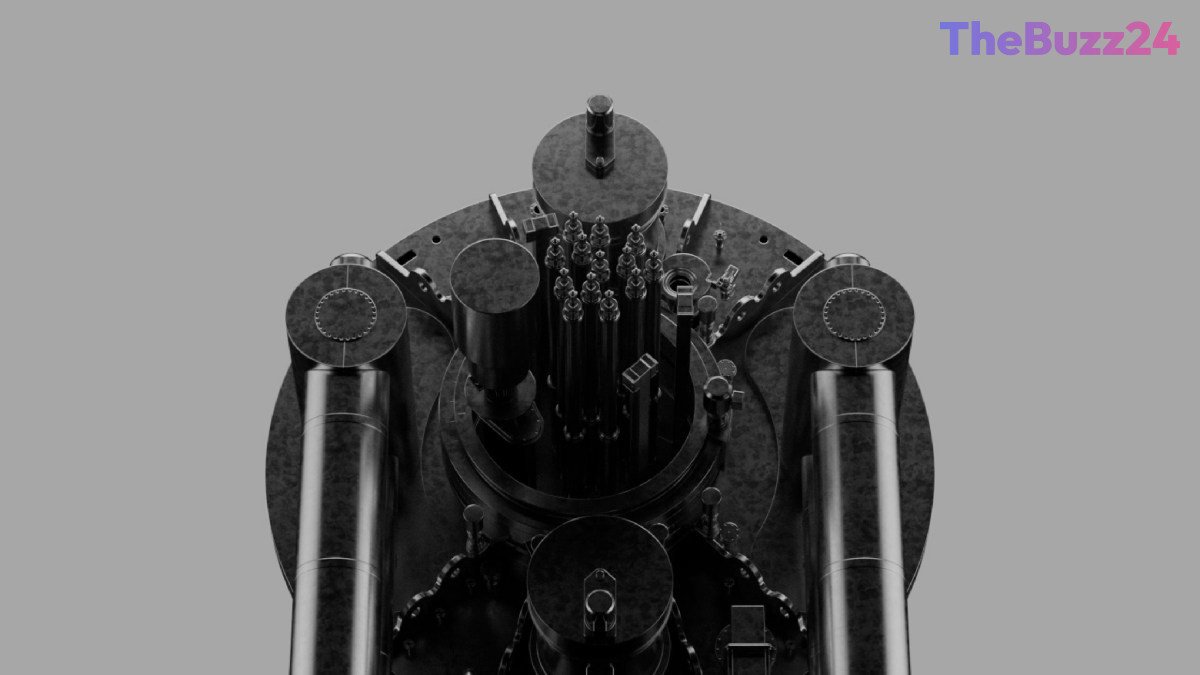
Data centers present a unique energy challenge due to the erratic power demands of advanced graphics processing units handling intensive machine learning workloads. These sudden fluctuations in power draw can stress traditional generation assets and require costly battery arrays to stabilize. TerraPower’s 345-megawatt molten salt-cooled reactor addresses this hurdle by keeping the nuclear core running at a constant rate while storing excess thermal energy in a giant reservoir of molten sodium. When computational demand spikes, the facility can tap this thermal battery to quickly produce additional steam for electricity generation.
By decoupling the continuous operation of the nuclear reactor from the fluctuating demands of data center infrastructure, TerraPower achieves maximum efficiency without sacrificing responsiveness. This engineering approach bridges the gap between the heavy, constant load requirements of nuclear generation and the erratic power needs of modern AI computing, potentially positioning the firm at the forefront of the clean energy transition.
Key Takeaways
- TerraPower plans to announce its first data center energy project this year, with ground breaking expected in 2027.
- The startup's reactor design utilizes a molten sodium thermal storage system to handle rapid fluctuations in power demand.
- This energy storage approach allows the nuclear plant to run at continuous peak capacity while easily adapting to the volatile loads of AI data centers.
Editor’s Analysis & Impact
The intersection of artificial intelligence and nuclear energy represents one of the most critical infrastructure frontiers of the decade. As tech conglomerates face severe power constraints and sustainability mandates, nuclear power is emerging as the premier baseload solution. However, traditional nuclear generation struggles with the dynamic, high-frequency load shifting required by modern data centers. TerraPower’s integration of thermal energy storage introduces a vital engineering flexibility that could redefine how next-generation nuclear plants interface with industrial customers. If successfully deployed at scale, this model could alleviate grid congestion, lower long-term capital risks for nuclear startups, and accelerate the adoption of clean energy within the tech sector.
Frequently Asked Questions
Q: When is TerraPower planning to break ground on its data center project?
A: The data center project is expected to break ground in 2027.
Q: How does TerraPower handle sudden spikes in power demand?
A: Instead of changing the rate of the nuclear reaction, TerraPower stores excess heat in a giant vat of molten sodium and taps this reservoir to generate extra steam when demand spikes.
Q: What is the capacity of TerraPower's molten salt-cooled reactor?
A: TerraPower's designed reactor has a capacity of 345 megawatts.
AI Disclosure: This article is based on verified data and official reports. Our Team and AI have cross-referenced every financial detail with primary sources to ensure total accuracy.
More from this Category