Virtual Power Plants Drive Down Home Battery Costs, Reshaping Energy Landscape
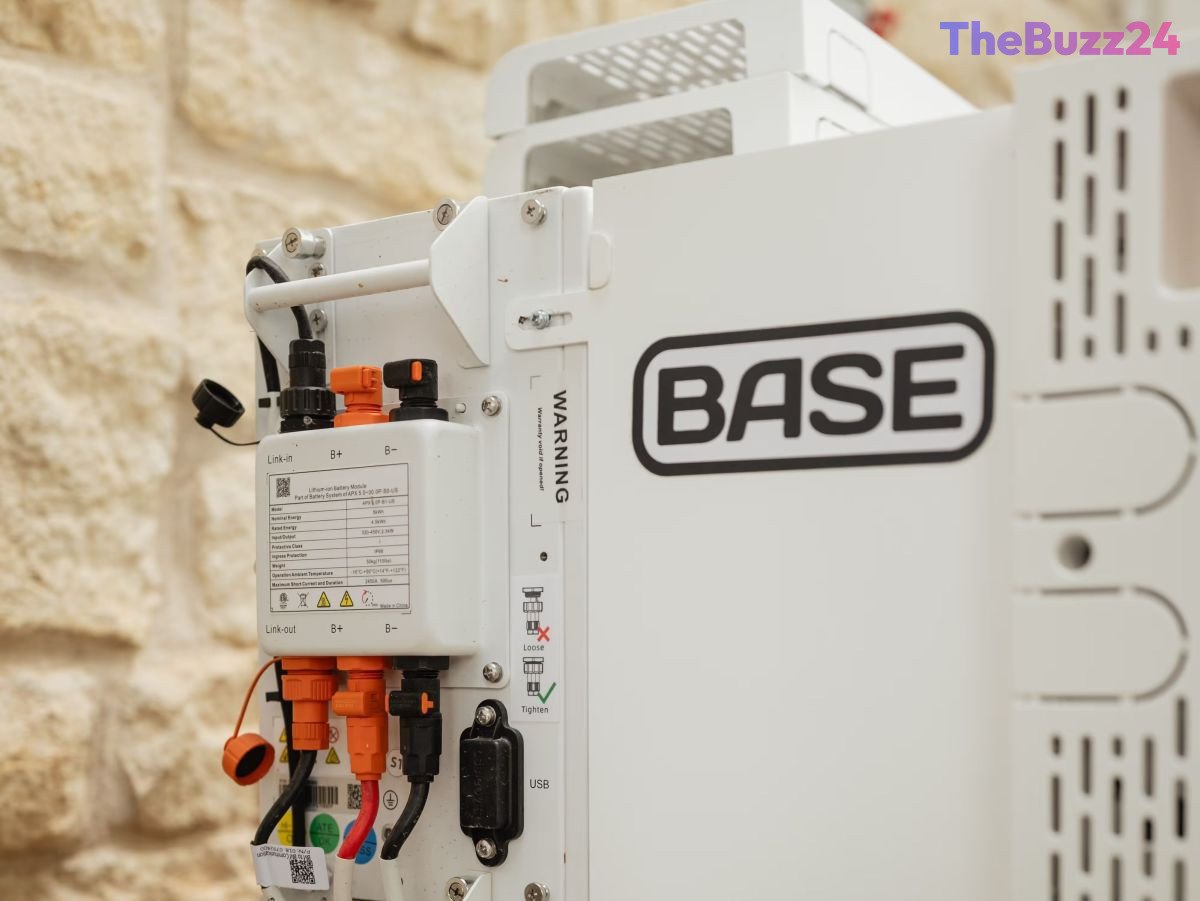
The landscape of home energy storage is undergoing a significant transformation, marked by intense competition and a dramatic reduction in costs. What was once a niche market for affluent solar panel owners is now becoming increasingly accessible, thanks to innovative business models and advancements in grid technology. Companies like Tesla, a long-standing leader in the space with its Powerwall systems, are facing formidable challenges from agile startups such as Base Power, which has rapidly secured substantial funding.
This heightened competition is directly translating into more affordable options for consumers. Tesla, for instance, recently introduced a new Powerwall leasing plan that slashes monthly prices by over two-thirds. This strategic move appears to be a direct response to market pressures, with homeowners in Texas now able to lease 27 kilowatt-hours of Tesla Powerwalls for just $35 per month, or opt for Base Power’s 39.2 kilowatt-hour battery systems for an even lower $19 monthly fee. Such aggressive pricing is underpinned by two critical factors: the continuous decline in battery manufacturing costs and the burgeoning adoption of virtual power plant (VPP) technology.
Virtual Power Plants operate by aggregating and coordinating thousands of distributed energy resources, including home batteries and even smart water heaters, to function as a single, large-scale power plant on the grid. This allows utilities and grid operators to tap into these collective resources during periods of high demand, effectively filling supply gaps. VPP operators strategically charge these batteries when electricity rates are low and then sell the stored power back to the grid for a profit when demand-driven prices soar. A portion of these profits is then passed on to consumers, either through reduced electricity bills, affordable backup battery solutions, or both. This model offers a significant advantage over traditional utility responses to demand spikes, such as building expensive, time-consuming ‘peaker plants’ or paying large industrial users to temporarily disconnect.
The market for VPP technology, currently valued at $7.4 billion, is projected to surge past $30 billion by 2033, reflecting its growing importance. VPPs offer a speed advantage, capable of being deployed in months compared to the years required for conventional power plants, by leveraging existing residential infrastructure and minimizing land, permitting, and interconnection hurdles. As electricity demand continues to climb, fueled by the proliferation of AI data centers and the broader electrification of the economy, utilities are increasingly embracing VPPs. This distributed approach also reduces the need for extensive new power line infrastructure, as energy assets are located closer to consumption points, making VPPs a crucial component in building a more resilient, efficient, and responsive energy grid nationwide.
Key Takeaways
- Home battery systems are becoming significantly more affordable due to intense market competition and innovative leasing models from companies like Tesla and Base Power.
- The rise of Virtual Power Plants (VPPs) is a key enabler, aggregating distributed home batteries to act as a single large power source, benefiting both utilities and consumers by optimizing energy flow and reducing costs.
- VPPs offer a faster, more flexible, and cost-effective solution for managing electricity demand spikes compared to traditional power plants, making them crucial for grid resilience and supporting the electrification of the economy.
Editor’s Analysis & Impact
The rapid commoditization of home battery storage, driven by fierce competition and the maturation of Virtual Power Plant (VPP) technology, marks a pivotal shift in the energy sector. This trend democratizes access to resilient energy solutions, moving away from centralized power generation towards a more distributed and responsive grid. The market impact will see increased investment in smart home energy systems and a re-evaluation of traditional utility infrastructure planning. Looking ahead, VPPs are poised to become a cornerstone of future energy grids, offering enhanced stability and efficiency, particularly as demand from AI data centers and electric vehicles escalates. This evolution will empower consumers with greater control over their energy consumption and accelerate the transition to a cleaner, more robust energy ecosystem, potentially disrupting established utility business models and fostering a new era of energy innovation.
Frequently Asked Questions
Q: What is a Virtual Power Plant (VPP)?
A: A Virtual Power Plant (VPP) is a cloud-based system that aggregates and coordinates various distributed energy resources, such as home batteries, solar panels, and smart appliances, to operate as a single, large power plant. It allows utilities to manage energy supply and demand more efficiently by drawing power from or sending power to these connected devices.
Q: How do VPPs make home batteries more affordable?
A: VPPs make home batteries more affordable by creating a revenue stream for the battery owners and operators. Companies can lease batteries to homeowners at a lower monthly cost because they profit by buying electricity when it's cheap (e.g., off-peak) and selling the stored energy back to the grid when demand and prices are high, sharing some of these savings with consumers.
Q: What are the benefits of VPPs for the electricity grid?
A: VPPs offer several benefits for the electricity grid, including enhanced resilience by providing flexible power during peak demand or outages, faster deployment compared to building traditional power plants, and reduced need for expensive new transmission infrastructure. They also help integrate more renewable energy sources and stabilize the grid by balancing supply and demand in real-time.
AI Disclosure: This article is based on verified data and official reports. Our Team and AI have cross-referenced every financial detail with primary sources to ensure total accuracy.
More from this Category