Neo-Nazi Suspect Identified in 1970 Munich Arson Attack That Killed Holocaust Survivors
Munich prosecutors have identified a suspect in the devastating 1970 arson attack on a Jewish community center’s retirement home, an incident that claimed the lives of seven Holocaust survivors. The perpetrator is believed to be a 25-year-old neo-Nazi with a history of antisemitic views, whose identity had remained a mystery for over five decades.
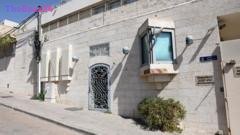
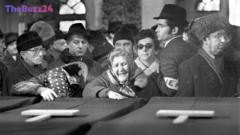
The fire, which occurred on February 13, 1970, rapidly engulfed the Reichenbachstrasse building after the suspect allegedly poured gasoline on the wooden stairwell. The blaze tragically resulted in the deaths of seven individuals, aged between 59 and 71, and injured 15 others. While some residents managed to escape to the roof or were rescued by emergency services, others perished in the flames or by jumping from windows.
Investigators now believe they have compelling evidence pointing to the deceased suspect, identified as Bernd V, who died in 2020. This breakthrough emerged after a woman came forward last year with credible information from a relative who knew the suspect well. According to prosecutors, the suspect was overheard making antisemitic remarks shortly before the fire, expressing resentment towards the Jewish community and a desire to harm them. These statements have reportedly been corroborated by other family members, who also described the suspect as having a “Hitler-fixation” and listening to Nazi propaganda in his youth.
Further details emerged suggesting the suspect had a prior juvenile conviction for detonating two phone kiosks and had been involved in a botched burglary on the night of the arson. The investigation into the attack had previously been closed in 2017 due to a lack of evidence but was reopened following the new witness testimony. Despite the identification of a suspect, the case highlights a significant historical failure by authorities, as Bernd V’s name had reportedly been brought to investigators’ attention in the early 1970s but was dismissed due to insufficient evidence. The presumption of innocence still applies, and prosecutors state there is no reliable evidence to suggest any other individuals were involved.
Key Takeaways
- German prosecutors have identified a neo-Nazi suspect in a 1970 arson attack that killed seven Holocaust survivors in Munich.
- The suspect, Bernd V, died in 2020, meaning no justice can be served, but new witness testimony provided the crucial evidence.
- The case, which remained unsolved for over 50 years, highlights a potential historical failure by authorities to act on earlier leads.
Editor’s Analysis & Impact
This case underscores the persistent threat of antisemitism and the long shadow it casts, even decades later. The identification of the suspect, while providing a measure of closure for the historical event, also serves as a stark reminder of the challenges in prosecuting cold cases, especially when perpetrators are deceased. The re-opening and resolution of this investigation, driven by a witness coming forward, highlights the importance of continued efforts in historical investigations and the potential for new evidence to emerge. It also raises questions about the effectiveness of initial investigations and the systemic issues that may have allowed such a heinous crime to go unpunished for so long, impacting the broader understanding of justice and historical accountability.
Frequently Asked Questions
Q: Who was identified as the suspect in the 1970 Munich arson attack?
A: Munich prosecutors identified Bernd V, a 25-year-old neo-Nazi with known antisemitic views, as the suspect in the 1970 arson attack.
Q: Why can't the suspect be brought to justice?
A: The suspect, Bernd V, died in 2020, meaning legal proceedings cannot be initiated against him.
Q: How was the suspect identified after so many years?
A: A woman came forward with credible information from a relative who knew the suspect well. This testimony, combined with previous witness accounts of his antisemitic remarks and behavior, provided prosecutors with compelling grounds to identify him.
AI Disclosure: This article is based on verified data and official reports. Our Team and AI have cross-referenced every financial detail with primary sources to ensure total accuracy.
More from this Category