Nevada Greenlights Thousands of Robotaxis for Las Vegas Area
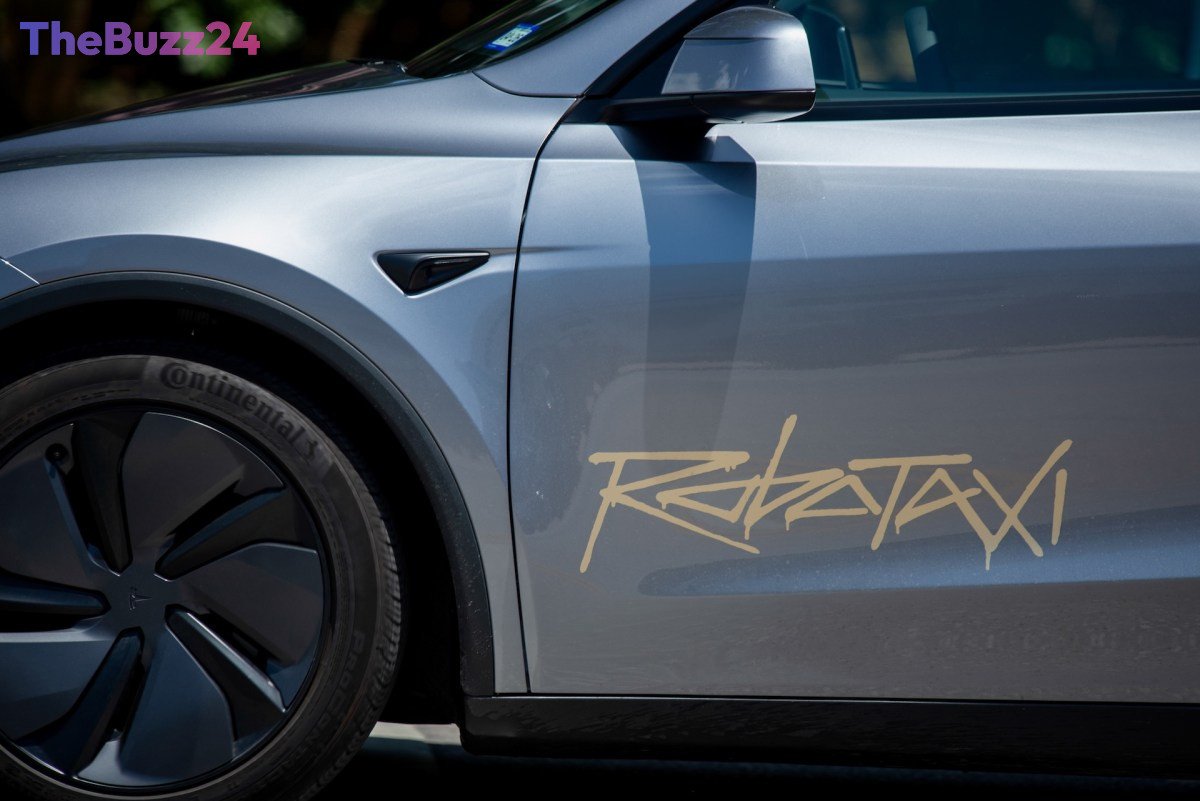
Clark County, Nevada, is set to become a major hub for autonomous transportation following a unanimous decision by the Nevada Transportation Authority. Three major players – Tesla, Uber, and Waymo – have been granted permits to deploy a combined total of up to 8,000 robotaxis over the next year, primarily serving the Las Vegas metropolitan area.
Under the approved permits, Tesla can introduce up to 5,000 autonomous vehicles, while Waymo is authorized to operate 1,000. Uber, through its partnerships with Motional (a Hyundai subsidiary) and Zoox, also received approval for 1,000 robotaxis. Zoox itself already possesses a permit allowing for 100 autonomous vehicles. Despite the high ceilings set by the permits, company representatives indicated that actual deployment numbers might be significantly lower within the first year, citing technological and operational scaling as factors rather than limitations.
This significant influx of autonomous vehicles is expected to transform the transportation landscape in and around Las Vegas, creating a competitive environment among the three companies. The potential deployment, even if only at half the authorized capacity, positions Clark County as a key battleground for the future of ride-hailing. This development raises questions about the future of the local workforce, with potential job creation in vehicle maintenance and charging, contrasted with concerns about displacement of human taxi and gig drivers.
Local taxi companies and industry associations voiced opposition to the permits, expressing concerns about market oversaturation and increased road congestion, particularly in high-traffic areas like the ‘Golden Triangle’ between the airport and the Las Vegas Strip. Uber has advocated for a hybrid model, integrating robotaxis with human drivers to manage deployment more gradually and meet fluctuating demand, a strategy that differentiates it from competitors like Waymo and Tesla.
Key Takeaways
- Nevada has approved permits for Tesla, Uber, and Waymo to operate up to 8,000 robotaxis in Clark County.
- While permits allow for large-scale deployment, companies suggest actual numbers may be lower initially due to scaling challenges.
- The decision is expected to intensify competition in the robotaxi market and raise significant questions about the future of local transportation jobs.
Editor’s Analysis & Impact
The Nevada Transportation Authority’s decision marks a significant step towards the widespread adoption of autonomous ride-hailing services. By authorizing thousands of robotaxis in a high-demand tourist destination like Las Vegas, the state is positioning itself as a leader in AV regulation. This move will undoubtedly accelerate competition among major players like Tesla, Uber, and Waymo, potentially driving innovation and service improvements. However, it also brings to the forefront critical discussions about workforce impact, infrastructure readiness, and public safety. The success of this large-scale deployment will depend not only on technological maturity but also on effective integration into existing urban environments and careful consideration of societal implications.
Frequently Asked Questions
Q: What is the maximum number of robotaxis that can be deployed in Clark County?
A: The permits allow for a combined total of up to 8,000 robotaxis from Tesla, Uber, and Waymo to be deployed in Clark County over the next 12 months.
Q: Will Tesla, Uber, and Waymo deploy the maximum number of robotaxis immediately?
A: Company representatives have indicated that they do not expect to deploy the maximum number of vehicles within the first year, citing scaling and operational factors rather than technological limitations.
Q: What concerns have been raised by local taxi companies?
A: Local taxi companies and industry associations have expressed concerns about market oversaturation and increased road congestion, particularly in key areas of Las Vegas.
AI Disclosure: This article is based on verified data and official reports. Our Team and AI have cross-referenced every financial detail with primary sources to ensure total accuracy.
More from this Category