US Lab Probes Chinese Lidar for National Security Risks in Autonomous Vehicles
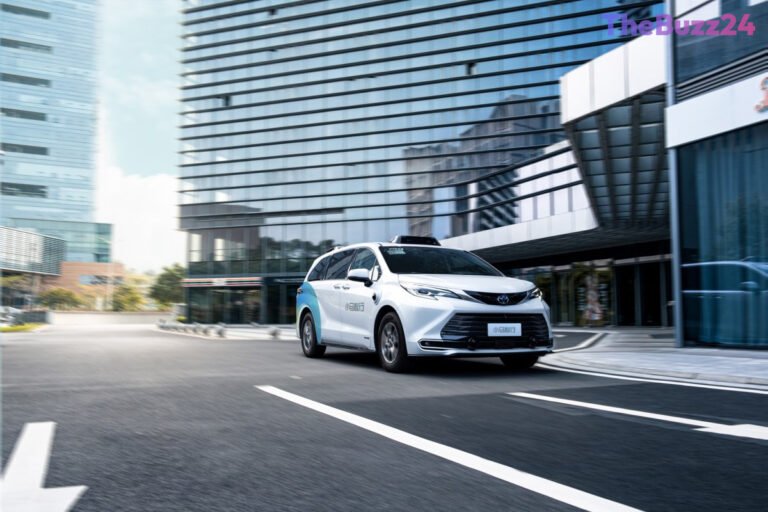
A U.S. Department of Energy laboratory is currently investigating potential security vulnerabilities associated with Chinese-made lidar sensors, particularly as their adoption in American vehicles becomes more widespread. The Idaho National Laboratory is conducting this review, with funding reportedly provided by a consortium of companies within the electric and autonomous vehicle sectors.
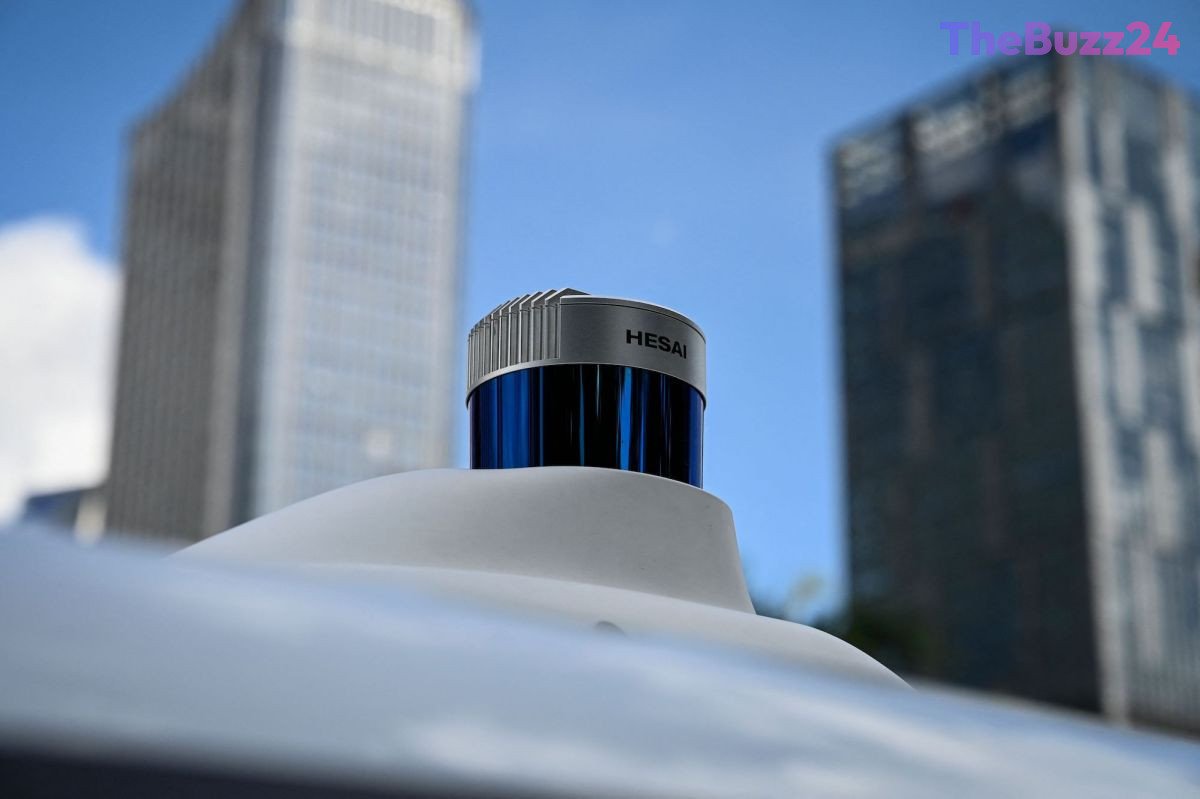
This investigation unfolds amidst increasing calls from U.S. lawmakers to restrict the use of Chinese lidar technology on American roads. Senator Tammy Baldwin (D-WI), co-sponsoring the Securing Infrastructure from Adversaries Act, has voiced concerns about the potential for Chinese lidar to facilitate military or industrial espionage. Similarly, Congressman John Moolenaar (R-MI) has highlighted fears of “back doors” that could transmit sensitive information to Chinese interests. The Department of Defense has already placed leading Chinese lidar suppliers, Hesai and RoboSense, on its 1260H list, restricting their engagement with the U.S. military, though current Commerce Department rules do not prohibit their use in civilian passenger cars.
Lidar, an acronym for light detection and ranging, utilizes laser pulses to map surroundings, providing high-resolution data crucial for autonomous navigation. Experts, such as Omer Keilaf, CEO of Innoviz, point to multiple layers of risk. Beyond supply chain vulnerabilities, cybersecurity concerns include the possibility of widespread sensor disabling, which could disrupt or immobilize vehicles, and the potential for finely detailed environmental data collected by lidar to be compressed and exfiltrated. While some companies like Tesla have opted for camera-only autonomy, the dramatic reduction in lidar costs, largely driven by Chinese manufacturers, has made it an attractive option for many automakers and autonomous vehicle developers.
The affordability of Chinese lidar, now costing hundreds instead of tens of thousands of dollars, has put pressure on American lidar companies, leading to consolidation and bankruptcies. This economic reality has prompted U.S. firms, including Rivian, to explore integrating Chinese lidar or developing domestic production capacities leveraging Chinese technology. However, the future regulatory landscape remains uncertain, with lawmakers continuing to warn that widespread adoption could enable data collection or system disruption, as exemplified by a 2024 incident where Hesai lidar sensors temporarily failed due to a leap year miscalculation.
Key Takeaways
- A U.S. government lab is investigating Chinese lidar sensors for security risks, funded by the autonomous vehicle industry.
- Lawmakers express concerns about potential espionage and data exfiltration through Chinese lidar, pushing for legislative restrictions.
- The low cost of Chinese lidar is driving its adoption in U.S. vehicles, despite cybersecurity and supply chain risks highlighted by experts.
Editor’s Analysis & Impact
The investigation into Chinese lidar by a U.S. government lab signals a critical juncture for the autonomous vehicle industry. The market impact could be significant, potentially leading to increased regulatory scrutiny and trade barriers for Chinese lidar manufacturers. For U.S. automakers, this creates a dilemma: balance cost-effectiveness with national security concerns. The future outlook suggests a push towards developing secure, domestic lidar alternatives or stricter vetting processes for foreign components. Broader implications include heightened supply chain diversification efforts and a potential acceleration of ‘decoupling’ in critical technology sectors, impacting global innovation and competition in autonomous driving. This could also spur investment in U.S. lidar companies, offering them a competitive edge if Chinese alternatives face restrictions.
Frequently Asked Questions
Q: What is lidar and why is it important for autonomous vehicles?
A: Lidar (light detection and ranging) is a sensor technology that uses laser pulses to measure distances and create a high-resolution 3D map of a vehicle's surroundings. It is crucial for autonomous vehicles as it provides precise environmental data, enabling them to detect objects, navigate, and avoid collisions, especially in varying light conditions.
Q: What are the main security concerns associated with Chinese lidar sensors?
A: The primary security concerns include the potential for military or industrial espionage, the possibility of 'back doors' that could transmit sensitive data to foreign interests, and the risk of widespread disabling of sensors, which could disrupt or immobilize vehicles. There are also supply chain risks given China's strategic view of lidar technology.
Q: Are U.S. companies currently allowed to use Chinese-made lidar?
A: Yes, U.S. companies are currently permitted to use Chinese-made lidar in civilian passenger cars. While the Department of Defense has placed some Chinese lidar companies on a restricted list for military engagement, and the Commerce Department has rules against Chinese-made connectivity hardware, lidar and other autonomous vehicle sensors are not explicitly prohibited under current regulations. However, the regulatory landscape is evolving, with lawmakers pushing for new restrictions.
AI Disclosure: This article is based on verified data and official reports. Our Team and AI have cross-referenced every financial detail with primary sources to ensure total accuracy.
More from this Category