Citadel Swiftly Neutralizes Risk After Acquiring Distressed AI Portfolio From Situational Awareness
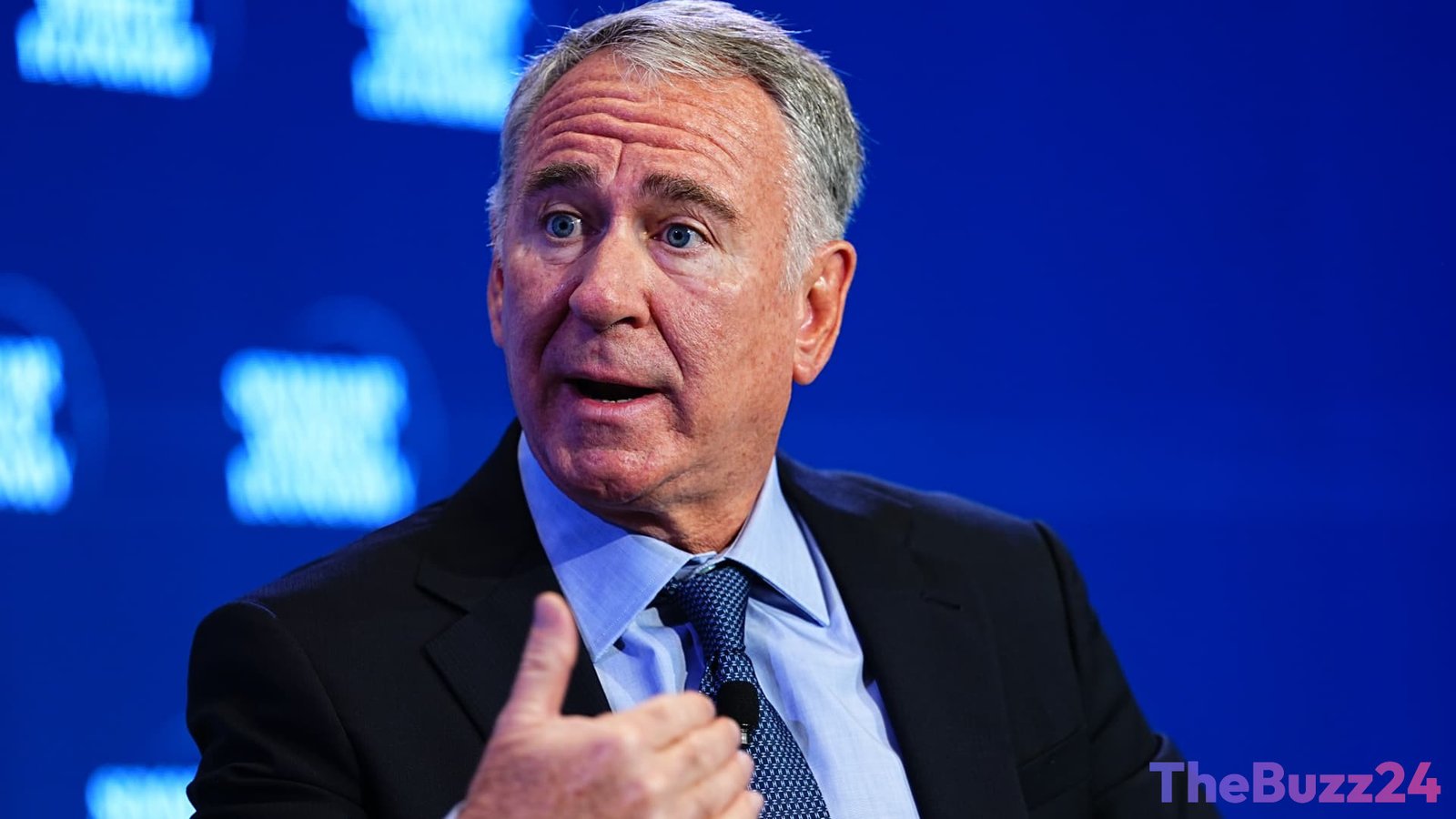
Citadel has successfully neutralized more than 80% of the risk associated with a massive portfolio of assets it recently acquired from the distressed hedge fund Situational Awareness. In a recent communication to clients, Citadel founder Ken Griffin revealed that the firm executed over 100 block trades, totaling more than $4 billion in market value, to rapidly unwind the acquired positions. The swift action highlights Citadel’s institutional capacity to absorb and manage large-scale market disruptions.
The transaction originated in late July when Situational Awareness, a fund managed by 25-year-old Leopold Aschenbrenner, faced severe liquidity pressure. The fund had built highly concentrated positions centered on the artificial intelligence sector, going long on AI-related hardware and energy firms while shorting traditional software companies. However, a sharp market reversal in June and July—which saw key holdings like Sandisk and Bloom Energy plunge by over 50% while shorted software stocks like Adobe rallied—triggered massive margin calls and forced liquidations. Citadel stepped in on July 29 to acquire the fund’s public equity holdings.
Griffin expressed gratitude to the trading and prime brokerage teams at partner banks, noting that a transaction of this scale required immense coordination to execute within such a tight timeframe. Interestingly, the forced liquidation of Situational Awareness’s portfolio appears to have marked a temporary bottom for the mid-summer AI market correction, with many of the affected tech stocks rebounding shortly after the sale.
Amidst managing this high-profile acquisition, Citadel also reported stellar performance for its own operations. The firm’s flagship Wellington multistrategy fund posted a robust 5.94% return for July. This impressive gain represents one of the fund’s strongest monthly performances since 2022, underscoring Citadel’s resilience and tactical execution during a period of heightened market volatility.
Key Takeaways
- Citadel successfully offloaded over 80% of the risk from the $4 billion Situational Awareness portfolio through more than 100 block trades.
- Situational Awareness was forced into liquidation after its aggressive long-AI and short-software strategy backfired during a summer market shift.
- Despite the market turbulence, Citadel's flagship Wellington fund surged 5.94% in July, marking its best monthly performance in nearly two years.
Editor’s Analysis & Impact
This episode highlights the double-edged sword of highly concentrated thematic investing, particularly within the volatile artificial intelligence sector. While AI remains a powerful secular trend, Situational Awareness’s aggressive long-short strategy left it highly vulnerable to short-term factor rotations. When AI hardware stocks corrected and software rebounded simultaneously, the fund faced a classic liquidity squeeze. Citadel’s ability to step in, absorb a $4 billion portfolio, and unwind 80% of the risk almost immediately demonstrates the vital role that massive multi-strategy hedge funds play as liquidity providers of last resort. Furthermore, the fact that this liquidation marked the local bottom of the AI sell-off suggests that forced liquidations often create attractive entry points for institutional players capitalized well enough to weather temporary storms.
Frequently Asked Questions
Q: Why did Situational Awareness have to sell its portfolio?
A: The fund suffered severe losses due to a market reversal in June and July. Its long positions in AI-related stocks like Sandisk and Bloom Energy plummeted, while its short positions in software companies like Adobe rallied, triggering margin calls and forced liquidations.
Q: How did Citadel manage to reduce the risk of the acquired assets so quickly?
A: Citadel executed more than 100 block trades representing over $4 billion in market value, working closely with prime brokerages and trading desks at major banks to rapidly transfer and unwind the positions.
Q: How did Citadel perform overall during this volatile period?
A: Citadel's flagship Wellington multistrategy fund performed exceptionally well, posting a 5.94% return in July, which was one of its best monthly gains since 2022.
AI Disclosure: This article is based on verified data and official reports. Our Team and AI have cross-referenced every financial detail with primary sources to ensure total accuracy.
More from this Category