Xpeng Shares Dip Despite Massive $6.3 Billion Valuation for Robotics Spin-Off
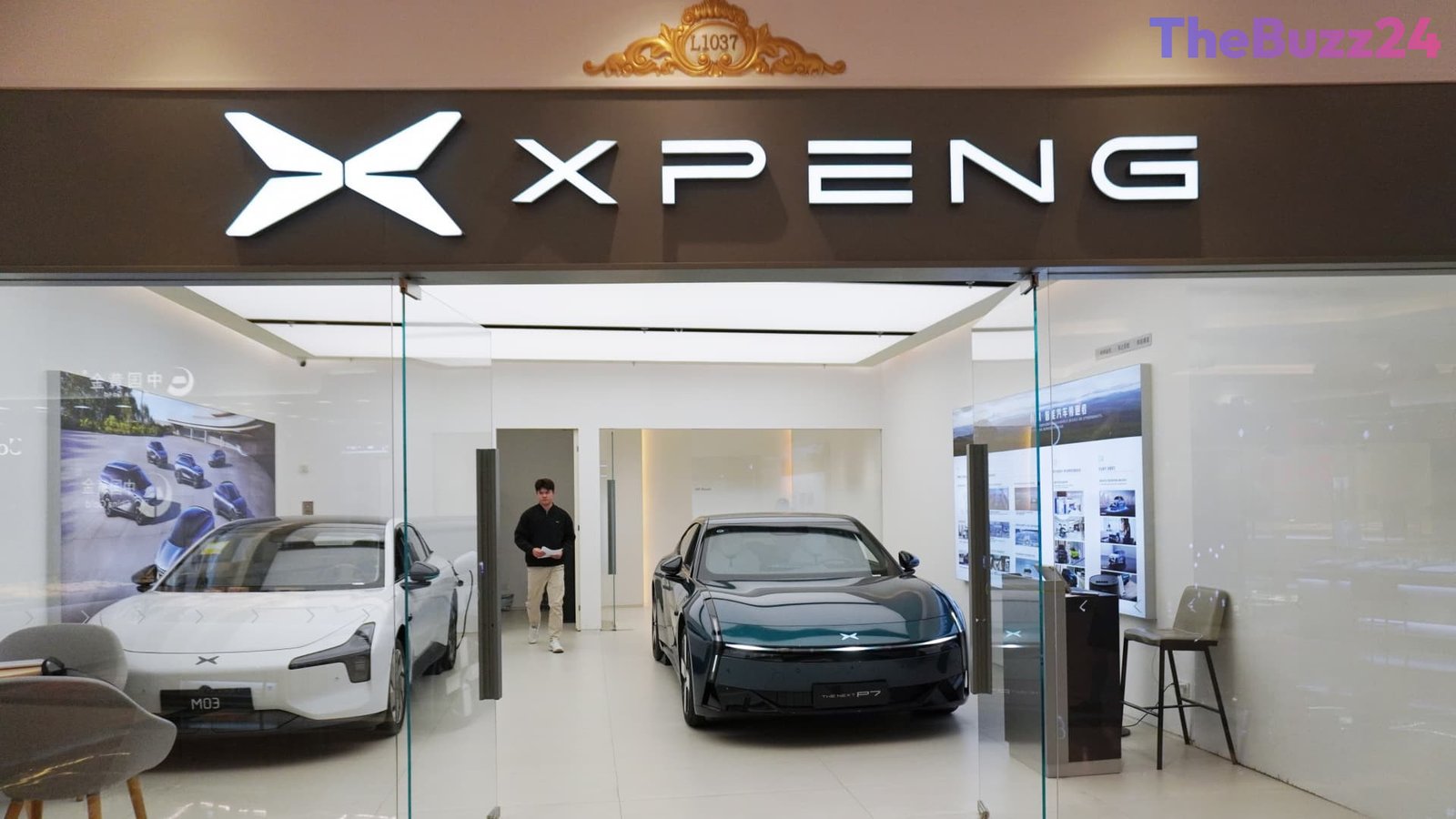
Shares of Chinese electric vehicle manufacturer Xpeng experienced a significant downturn in Hong Kong trading, tumbling over 9% following a lower-than-anticipated delivery outlook for the upcoming quarter. The conservative forecast managed to eclipse positive momentum generated by the company’s separate robotics division, which successfully secured a substantial valuation during its latest funding round.
For the second quarter, Xpeng posted a wider net loss of 1.34 billion yuan, even as overall revenues managed an 8% increase to reach 19.74 billion yuan. Looking ahead, management projected third-quarter vehicle deliveries to land between 115,000 and 121,000 units. Financial analysts pointed out that this projection missed prevailing market expectations, primarily dragged down by persistent supply chain bottlenecks that have hampered the production scale-up of the company’s popular MONA L03 model.
In stark contrast to the core automotive division’s headwinds, Xpeng’s burgeoning robotics enterprise announced a successful fundraising campaign, pulling in more than $900 million. This capital injection propelled the robotics unit to a post-money valuation exceeding $6.3 billion, backed by prominent investors including IDG Capital, Gaorong Ventures, Tencent, and Alibaba. Leadership expressed strong optimism regarding the commercial rollout of advanced humanoid robots, leveraging the parent company’s foundational expertise in artificial intelligence, advanced chips, and sophisticated algorithms.
Market observers note that the soaring valuation of the robotics branch places it nearly on par with the implied market value of Xpeng’s traditional electric vehicle business. While executives remain bullish on the long-term convergence of autonomous driving and humanoid robotics—with ambitious future projections favoring non-vehicular sales—the immediate financial reality reflects intense competitive pressures and softening demand within China’s broader electric vehicle landscape.
Key Takeaways
- Xpeng shares fell over 9% in Hong Kong following a weaker-than-expected third-quarter delivery forecast.
- The company's robotics division raised over $900 million, achieving a valuation of more than $6.3 billion.
- Supply chain constraints impacting the MONA L03 model contributed to the delivery guidance shortfall.
Editor’s Analysis & Impact
This development highlights a fascinating transitional phase for modern automotive companies diversifying into artificial intelligence and hardware robotics. While Xpeng’s core electric vehicle business faces near-term margin pressure, supply chain bottlenecks, and fierce competition in the domestic Chinese market, the massive valuation of its robotics unit signals strong investor appetite for cross-industry technological synergies. The ability to translate autonomous driving algorithms and AI research into humanoid robotics creates a compelling long-term diversification strategy. However, until the EV division stabilizes its delivery momentum and resolves production constraints, market sentiment is likely to remain cautious, treating the high-valuation robotics branch as a long-term speculative asset rather than an immediate earnings driver.
Frequently Asked Questions
Q: Why did Xpeng shares drop recently?
A: Xpeng shares fell more than 9% in Hong Kong after the company issued a third-quarter delivery forecast that missed investor expectations, driven by supply chain constraints affecting its MONA L03 model.
Q: How much is Xpeng's robotics business valued at?
A: The robotics business secured a post-transaction valuation of more than $6.3 billion after raising over $900 million in its latest funding round.
Q: Who participated in the funding round for Xpeng's robotics unit?
A: The funding round was led by IDG Capital, with participation from Gaorong Ventures, alongside strategic investments from Tencent and Alibaba.
AI Disclosure: This article is based on verified data and official reports. Our Team and AI have cross-referenced every financial detail with primary sources to ensure total accuracy.
More from this Category