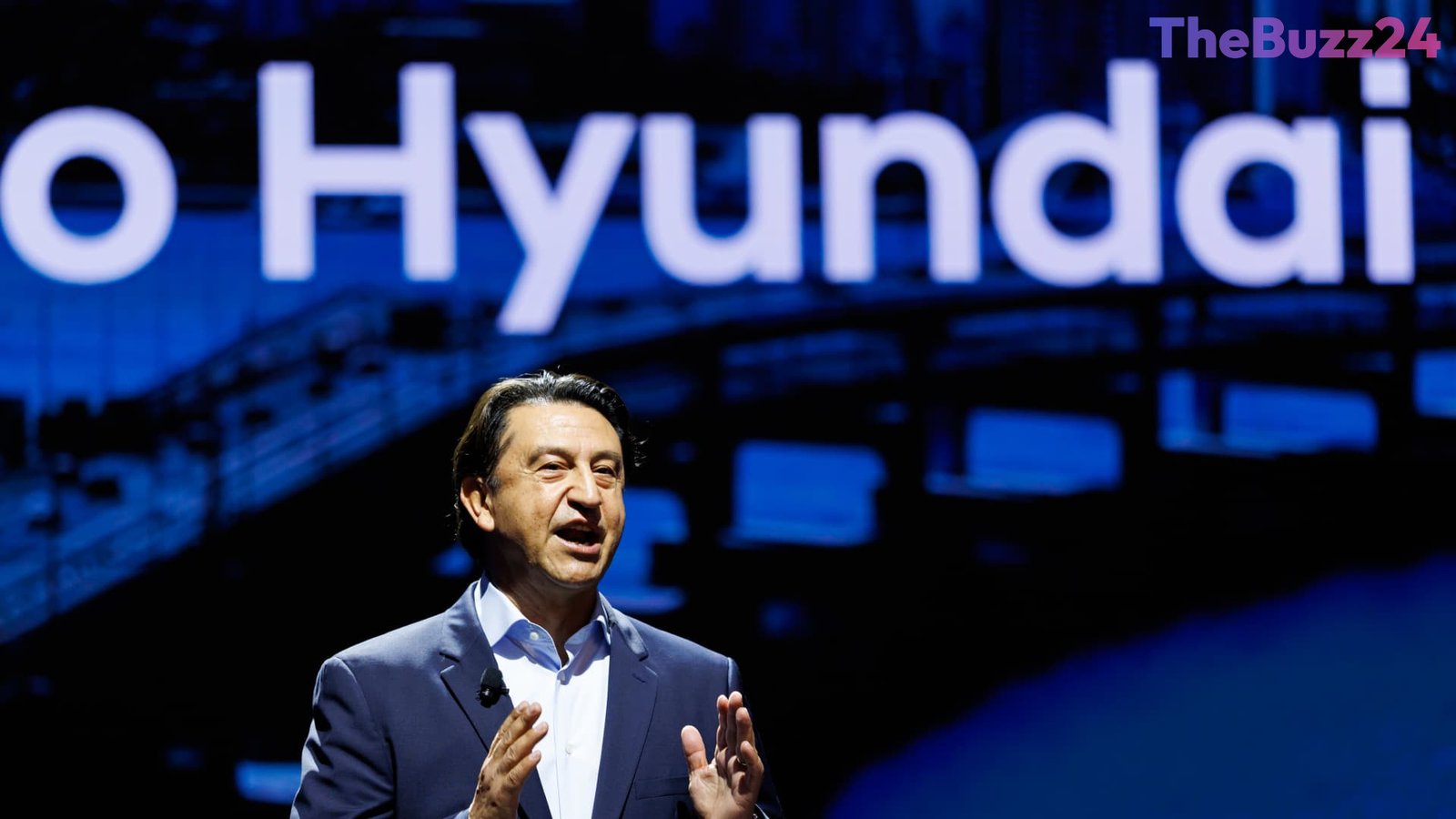
Hyundai’s U.S. Market Dominance Accelerates with Billions in Investment and Production Expansion
Hyundai Motor Group, encompassing its namesake brand, Kia, and the luxury Genesis marque, has demonstrated unparalleled growth in the U.S. automotive market this decade. Despite a challenging global landscape and a general slowdown in the auto sector, the South Korean conglomerate has significantly expanded its footprint, becoming the fourth best-selling automaker in the country. This remarkable ascent is underpinned by an aggressive strategy to boost domestic production and diversify its product portfolio, ranging from accessible models to high-end luxury vehicles.
Central to Hyundai’s ambitious expansion is a substantial $26 billion investment plan through 2028, with a particular focus on its new $7.6 billion Metaplant in Georgia. This state-of-the-art facility is poised to become one of the largest vehicle assembly plants in the U.S., with plans to increase its annual production capacity from 500,000 to between 700,000 and 800,000 units by 2028. The strategic goal is to produce at least 80% of the vehicles sold in the U.S. domestically by the end of the decade, a significant leap from the current 40%. CEO José Muñoz emphasizes the U.S. as a top priority, noting that the company’s “mueos-ideun ganeunghada” (anything is possible) philosophy drives its rapid localization efforts, further accelerated by potential tariffs.
The group’s market share in the U.S. has surged from 8.4% in 2020 to 11.8% through the first half of this year, a gain unmatched by any other major automaker. This robust performance has propelled Hyundai to become the third best-selling automaker globally and the second most profitable by operating income. The brand’s transformation from offering primarily “cheap” options to providing exceptional value across a broad spectrum, including the rapidly growing Genesis luxury division, has been pivotal.
With over 100 new vehicle launches and refreshes planned globally by 2030, including 58 for North America, Hyundai is set to introduce more electrified options and venture into new segments like midsize pickup trucks and body-on-frame SUVs for both Hyundai and Kia. This comprehensive product strategy, combined with its manufacturing investments, underscores Hyundai’s commitment to sustained growth and market leadership in the highly competitive U.S. automotive sector.
Key Takeaways
- Hyundai Motor Group has achieved the most significant U.S. market share growth among major automakers this decade, becoming the fourth best-selling in the country.
- The company is investing $26 billion through 2028, including a major expansion of its Georgia Metaplant, aiming to produce 80% of its U.S. sales domestically by 2030.
- Hyundai is diversifying its product lineup with over 100 new vehicle launches and refreshes planned, including a strong focus on electrified models and entry into new segments like pickup trucks.
Editor’s Analysis & Impact
Hyundai’s aggressive expansion in the U.S. signals a significant shift in the global automotive landscape. Their substantial investment in domestic manufacturing not only hedges against geopolitical uncertainties and potential tariffs but also strengthens their supply chain resilience. This strategy positions them to capture a larger share of the burgeoning EV market while also catering to traditional segments with new truck and SUV offerings. The rapid growth of the Genesis luxury brand further demonstrates Hyundai’s successful brand repositioning, challenging established players. Competitors will face increased pressure to innovate and localize production, as Hyundai’s “anything is possible” mantra translates into tangible market gains and a formidable presence across all price points, potentially reshaping consumer expectations for value and features.
Frequently Asked Questions
Q: What is Hyundai Motor Group's primary strategy for continued growth in the U.S.?
A: Hyundai's core strategy involves a massive $26 billion investment through 2028, with a key focus on expanding domestic production at its Georgia Metaplant. The goal is to produce 80% of vehicles sold in the U.S. locally by the end of the decade, alongside diversifying its product portfolio with new electrified and traditional models.
Q: How has Hyundai's brand perception evolved in the U.S. market?
A: Hyundai has successfully transformed its brand perception from offering primarily "cheap" vehicles to providing exceptional value across a wide range of price points. This includes entry-level models, value-packed mainstream vehicles, and the rapidly growing luxury Genesis brand, which now competes with premium automakers.
Q: What role do tariffs play in Hyundai's U.S. manufacturing plans?
A: While Hyundai had already initiated its U.S. localization plans, CEO José Muñoz stated that potential tariffs, such as those on autos from South Korea, have helped accelerate the company's efforts to increase domestic production capacity. This strategy aims to mitigate the impact of import duties and strengthen its U.S. market position.
AI Disclosure: This article is based on verified data and official reports. Our Team and AI have cross-referenced every financial detail with primary sources to ensure total accuracy.
More from this Category