Federal Judge Clears Path for New USPS Mail-In Voting Requirements Ahead of Midterms
A federal judge has lifted the final remaining injunction against a controversial U.S. Postal Service (USPS) rule regarding mail-in ballots, potentially allowing the administration to implement new administrative requirements just weeks before the November midterm elections. The decision by U.S. District Judge Indira Talwani follows a recent Supreme Court ruling that suggested legal challenges were premature because they targeted the policy before it was finalized. With the rule now officially in place, the legal landscape has shifted, prompting a new wave of litigation from states and voting-rights organizations.
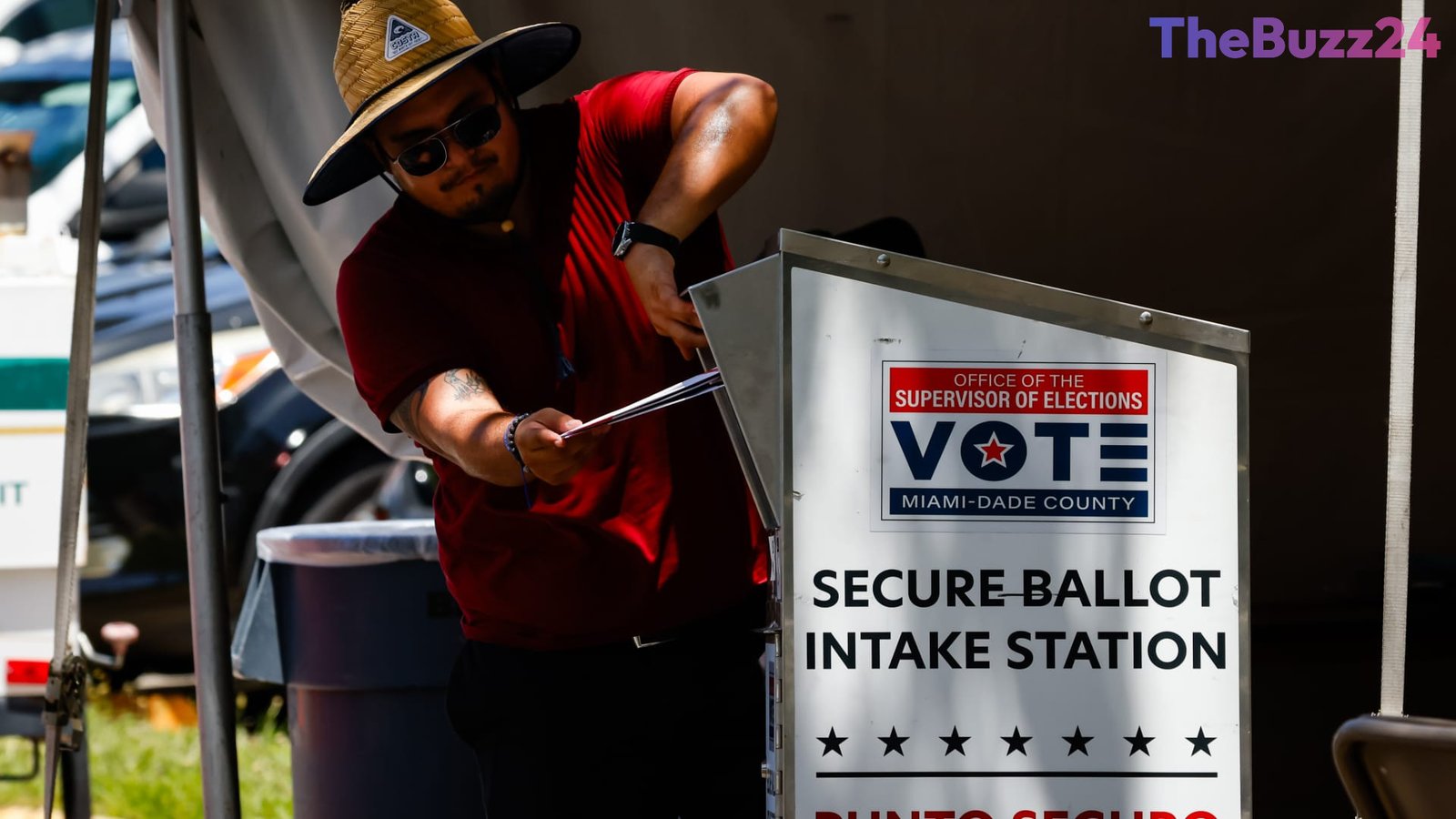
The finalized USPS policy mandates that election officials submit lists of mail-in voters to a federal portal and utilize specific, barcoded ballot envelopes that must undergo federal review. Under these guidelines, postal employees are authorized to scan envelopes to verify their barcodes; any mailings that fail this verification process could be rejected and returned to election officials. Proponents of the measure argue that these steps are necessary to enhance ballot tracking and mitigate fraud, while critics contend that the requirements impose an unprecedented federal gatekeeping role that could lead to widespread administrative delays and disenfranchisement.
As the election approaches, the legal battle is far from over. While the current ruling removes the immediate block on the USPS, plaintiffs—including a coalition of 23 states and Washington, D.C.—have already filed new lawsuits challenging the finalized rule directly. These groups argue that the USPS lacks the statutory authority to impose such hurdles and that the policy intrudes upon the constitutional power of states to manage their own elections. With less than 10 weeks until the midterms, election officials are now navigating a period of significant uncertainty as they prepare for the potential implementation of these new federal standards.
Key Takeaways
- A federal judge lifted the final injunction against a new USPS rule, allowing the agency to move forward with stricter mail-in ballot requirements.
- The rule mandates that states provide voter lists and use federally reviewed, barcoded envelopes, which could lead to ballot rejections if they fail verification.
- Opponents, including 23 states, have filed new lawsuits arguing the USPS lacks the authority to intervene in state-run election administration.
Editor’s Analysis & Impact
The lifting of the injunction represents a significant escalation in the ongoing tension between federal oversight and state-led election administration. By moving the goalposts from ‘proposed’ to ‘finalized’ rules, the administration has successfully cleared a procedural hurdle that previously stalled its agenda. However, the industry impact is profound: election officials are now forced to scramble to comply with complex, last-minute technical requirements during a critical pre-election window. The broader implication is a potential increase in ballot rejection rates, which could lead to significant public distrust and further litigation. If these rules remain in effect, they set a precedent for increased federal involvement in the logistics of state elections, likely triggering a long-term constitutional debate over the limits of agency authority versus state sovereignty in the electoral process.
Frequently Asked Questions
Q: What does the new USPS rule require of election officials?
A: The rule requires election officials to submit mail-in voter lists to a federal portal and use specific, barcoded ballot envelopes that must be reviewed and approved by the USPS.
Q: Does this ruling mean the policy is now considered legal?
A: No. The judge's decision was based on procedural grounds regarding the timing of the lawsuit. The court has not yet ruled on the actual legality or constitutionality of the USPS policy.
AI Disclosure: This article is based on verified data and official reports. Our Team and AI have cross-referenced every financial detail with primary sources to ensure total accuracy.
More from this Category