Sticky Inflation and Resilient Growth: Kansas City Fed President Questions Restrictiveness of Current Rates
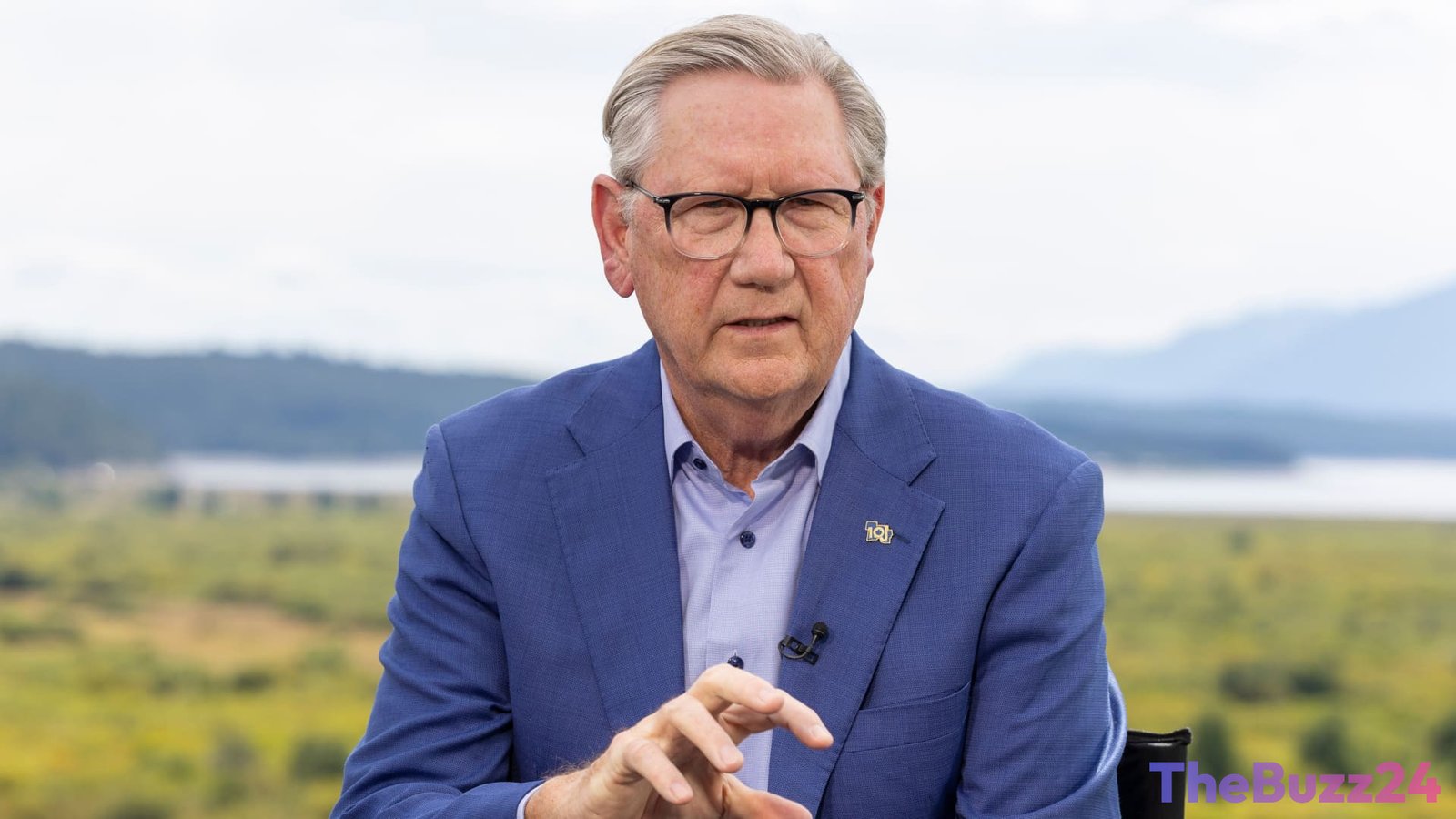
Kansas City Federal Reserve President Jeffrey Schmid has expressed ongoing concern over persistent inflation, describing price pressures as “stubborn” and “sticky.” Speaking from the central bank’s annual economic symposium in Jackson Hole, Wyoming, Schmid emphasized that despite previous policy tightening, inflation remains well above the Federal Reserve’s long-term 2% target. However, he stopped short of advocating for an immediate interest rate hike, suggesting instead that more data is required to understand the underlying economic drivers.
Schmid raised questions about whether the Fed’s current benchmark interest rate, which sits in the 3.5% to 3.75% range, is actually doing enough to cool the economy. Pointing to recent economic indicators—including a 1.5% GDP growth rate in the second quarter and a stable 4.1% unemployment rate—he noted that it remains unclear what segment of the economy is currently being restricted by the present policy. Core inflation, excluding volatile food and energy prices, recently registered at 3.3% year-over-year, highlighting the difficulty policymakers face in bringing demand back into balance.
Although Schmid is not a voting member of the Federal Open Market Committee (FOMC) this year, his perspective carries weight within the central bank. During his tenure as a voting member last year, he notably dissented twice against rate cuts, signaling his hawkish stance on monetary policy. Schmid indicated he is currently focused on analyzing demand-side factors to determine whether further policy adjustments are necessary to curb growth and inflation.
In addition to monetary policy, Schmid expressed openness to structural changes within the Federal Reserve system. He voiced support for a proposal originally raised by former Fed Governor Kevin Warsh to reduce the number of scheduled FOMC policy meetings from eight to six per year. Schmid suggested there is “some room” to consider such a shift, which could alter how the central bank communicates and implements its policy decisions over time.
Key Takeaways
- Kansas City Fed President Jeffrey Schmid characterized current inflation as "stubborn" and "sticky," with core inflation remaining at 3.3%, well above the Fed's 2% target.
- Schmid questioned whether the current interest rate target of 3.5% to 3.75% is restrictive enough, given steady 1.5% GDP growth and a 4.1% unemployment rate.
- He expressed openness to a proposal that would reduce the number of annual FOMC policy meetings from eight to six.
Editor’s Analysis & Impact
Jeffrey Schmid’s remarks underscore a growing divide within the Federal Reserve regarding the path of monetary policy. While some market participants anticipate rate cuts, Schmid’s skepticism about the “restrictiveness” of the current 3.5%-3.75% rate range suggests that hawkish sentiments remain influential. With core inflation holding at 3.3% and the labor market remaining relatively stable at 4.1% unemployment, the Fed faces a complex balancing act. If the economy continues to show resilience, the central bank may keep rates higher for longer than Wall Street expects. Furthermore, Schmid’s openness to reducing the number of FOMC meetings to six per year could signal a desire for a more deliberate, less reactionary approach to policy-making, potentially reducing short-term market volatility driven by frequent Fed meetings.
Frequently Asked Questions
Q: Why does Jeffrey Schmid believe current interest rates might not be restrictive?
A: Schmid points to steady economic indicators, such as a 1.5% GDP growth rate in the second quarter and a low 4.1% unemployment rate, as evidence that the current interest rate target of 3.5% to 3.75% may not be significantly slowing down economic activity.
Q: What is the current rate of inflation compared to the Federal Reserve's target?
A: The Fed's primary inflation gauge recently showed core prices (excluding food and energy) rising at 3.3% annually, which remains significantly higher than the central bank's official 2% target.
Q: What structural change to the Federal Reserve did Schmid support?
A: Schmid expressed support for a proposal to reduce the number of annual Federal Open Market Committee (FOMC) policy meetings from eight to six.
AI Disclosure: This article is based on verified data and official reports. Our Team and AI have cross-referenced every financial detail with primary sources to ensure total accuracy.
More from this Category