Qatari Prime Minister Travels to Tehran for Urgent De-escalation Talks Amid Renewed Hormuz Tanker Attacks
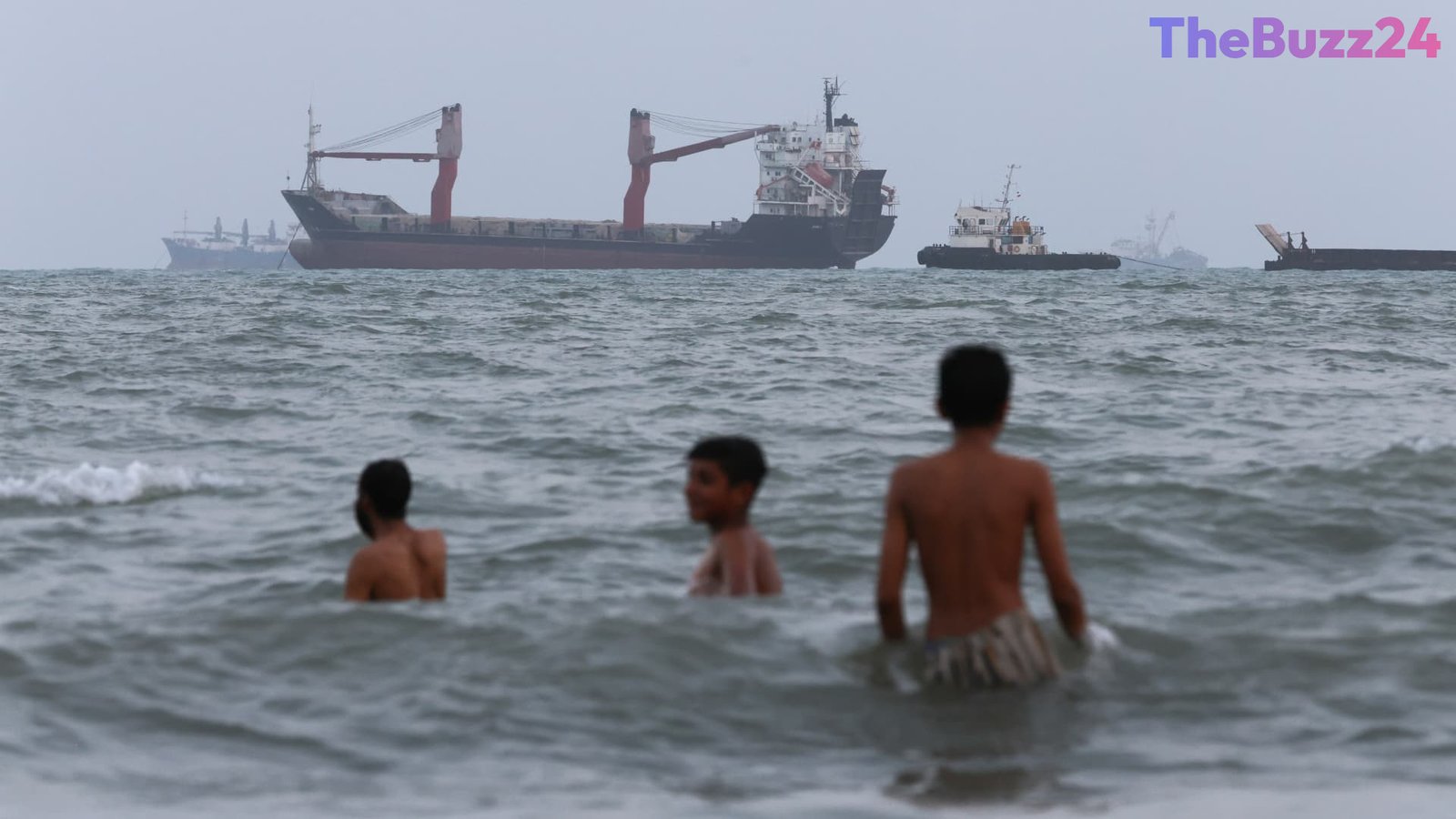
Qatari Prime Minister Mohammed bin Abdulrahman Al Thani has arrived in Tehran for high-stakes diplomatic talks aimed at defusing the escalating conflict between Iran and the United States. Acting as a critical intermediary, Qatar is seeking to establish conditions conducive to dialogue and restore stability to the region. The diplomatic push comes immediately after another commercial oil tanker was struck by an unidentified projectile in the volatile Strait of Hormuz, sparking a fire that was subsequently extinguished without casualties.
The latest maritime incident highlights the ongoing instability in one of the world’s most vital energy corridors. While U.S. President Donald Trump recently asserted that the Strait of Hormuz had been cleared of mines and was fully operational, international allies have expressed deep skepticism regarding these claims. Shipping traffic through the strait has plummeted from a pre-war average of over 130 vessels per day to just a handful of daily transits, forcing the U.S. military to escort vessels along the Omani coast while maintaining a naval blockade against Iranian ships.
Diplomatic resolution remains complicated by a fresh wave of economic sanctions launched by the Trump administration, targeting Iran’s global financial connections. In response, Iranian Foreign Minister Abbas Araghchi has appealed to the United Nations to condemn the U.S. measures, labeling them as “economic terrorism.” Meanwhile, Iranian officials maintain that the shipping corridor will not fully reopen until Washington honors commitments from a lapsed interim peace framework established in June, leaving the region in a precarious state of economic and military standoff.
Key Takeaways
- Qatari Prime Minister Mohammed bin Abdulrahman Al Thani is visiting Iran to mediate and de-escalate rising tensions between Washington and Tehran.
- A recent projectile attack on an oil tanker in the Strait of Hormuz has intensified security concerns, contradicting claims that the waterway is safe.
- Shipping traffic through the crucial energy corridor remains severely depressed as the U.S. intensifies economic sanctions against Iran.
Editor’s Analysis & Impact
The escalating friction in the Strait of Hormuz presents a severe threat to global energy security and maritime trade. Despite political assertions that the waterway is safe, the dramatic drop in daily vessel transits—from over 130 to single digits—demonstrates that commercial shipping companies remain highly risk-averse. Qatar’s mediation efforts are a critical diplomatic lifeline, but the Trump administration’s aggressive “economic onslaught” and Iran’s refusal to reopen the strait without sanctions relief create a challenging deadlock. If diplomatic channels fail to yield a breakthrough, prolonged disruptions in the strait could trigger a sharp spike in global oil prices and insurance premiums for maritime transport. This situation underscores the fragility of global supply chains when geopolitical conflicts intersect with critical choke points.
Frequently Asked Questions
Q: Why is the Qatari Prime Minister visiting Iran?
A: The Qatari Prime Minister is visiting Tehran to act as a diplomatic mediator, aiming to de-escalate tensions between Iran and the United States and discuss restoring safe navigation in the Strait of Hormuz.
Q: What is the current status of shipping in the Strait of Hormuz?
A: Shipping traffic has collapsed significantly, operating at a fraction of its pre-war volume. While the U.S. is escorting some vessels, recent projectile attacks and ongoing security threats have kept most commercial ships away.
Q: What is preventing the full reopening of the waterway?
A: Iran has stated it will not fully reopen the strait until the U.S. fulfills its commitments under a lapsed June peace framework, while the U.S. continues to enforce a naval blockade and apply heavy economic sanctions.
AI Disclosure: This article is based on verified data and official reports. Our Team and AI have cross-referenced every financial detail with primary sources to ensure total accuracy.
More from this Category