Fed Chair Warsh Faces Crucial Jackson Hole Address Amid Market Uncertainty
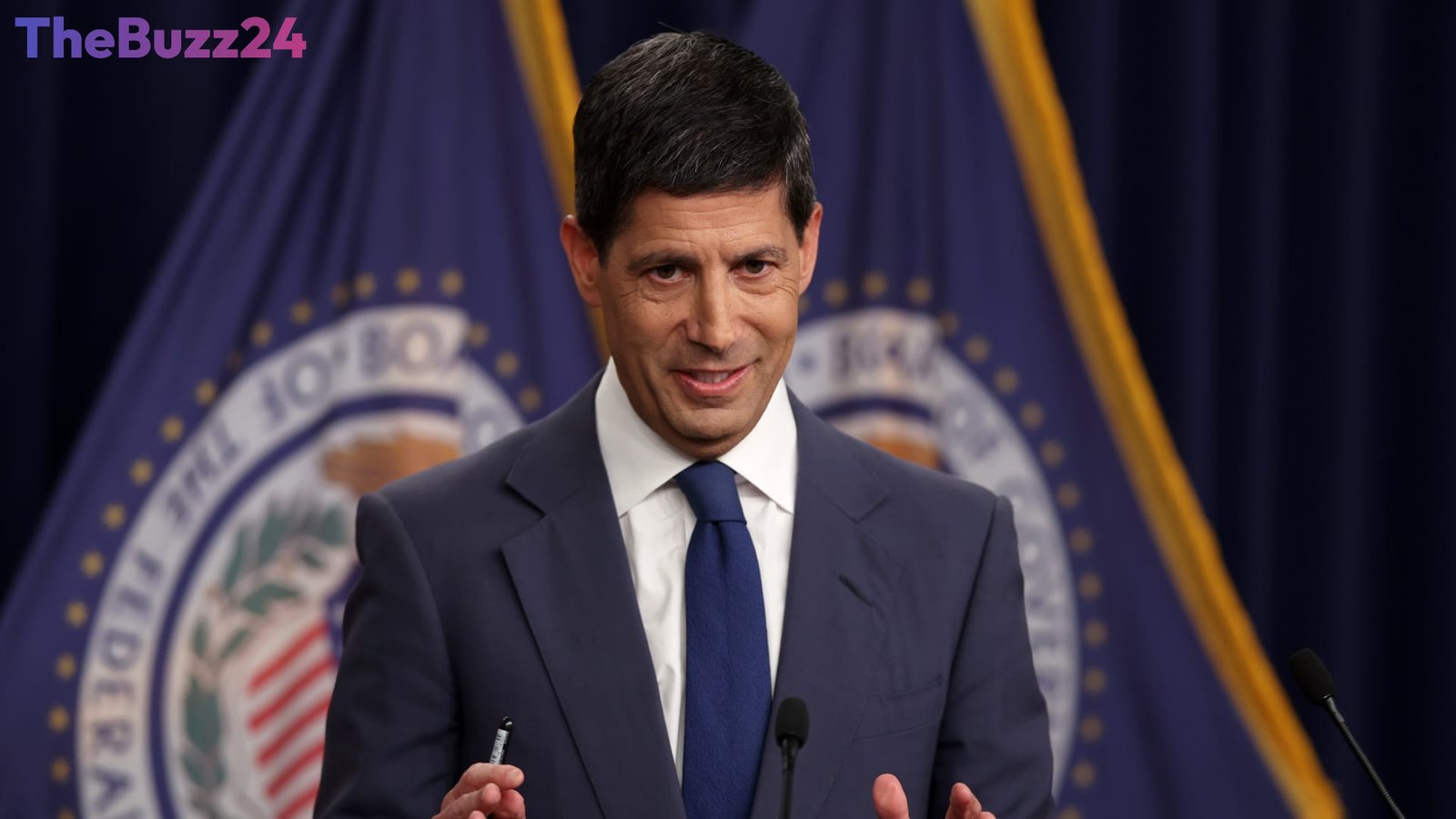
Federal Reserve Chairman Kevin Warsh is set to deliver a highly anticipated keynote address at the central bank’s annual symposium in Jackson Hole, Wyoming. This prominent event has historically served as a platform for Federal Reserve leaders to outline significant policy directions. However, considerable speculation surrounds the extent of Warsh’s ambition and the clarity he will provide regarding future monetary policy.
Markets are keenly awaiting any signals from Warsh that could clarify the conditions under which the Federal Reserve might adjust interest rates. This year’s symposium, themed “Financial Innovation: Implications for Payments and Policy,” adds another layer of complexity. While past Fed chairs have used this forum to discuss broad policy frameworks and future interest rate trajectories, Warsh’s tenure has been marked by a distinct emphasis on market-driven signals rather than explicit Fed guidance.
This unconventional approach has led to a degree of unpredictability, with economists expressing uncertainty about the speech’s content. Some analysts suggest Warsh may focus on high-level discussions about the Fed’s operational frameworks and the work of newly established task forces, rather than providing detailed economic assessments or specific policy expectations. These task forces are reportedly examining fundamental aspects of the Fed’s functions, including inflation perspectives, balance sheet management, data influences, technological considerations, and communication strategies.
Warsh’s preference for a less interventionist communication style, allowing markets to interpret data and provide signals to the Fed, has drawn mixed reactions. The current economic climate, characterized by rising Treasury yields and recent Treasury Department actions to increase debt buybacks, further heightens the stakes. These developments could potentially create a challenging backdrop for Warsh’s remarks, as market interventions by fiscal authorities might appear to conflict with his stated policy leanings. The need for clarity on the Fed’s reaction function—the specific conditions that would trigger rate adjustments—is paramount, as a lack of specificity could lead to significant market volatility, potentially impacting long-dated Treasury yields.
Key Takeaways
- Federal Reserve Chairman Kevin Warsh will deliver a key address at the Jackson Hole symposium, with markets seeking clarity on interest rate policy.
- Warsh's communication style, which favors market interpretation over explicit guidance, creates uncertainty about the speech's content.
- The current economic environment, including rising yields and Treasury buyback initiatives, adds pressure for Warsh to provide clear signals on monetary policy.
Editor’s Analysis & Impact
The upcoming Jackson Hole speech by Fed Chairman Kevin Warsh carries significant weight, occurring at a time of heightened market sensitivity to monetary policy signals. Warsh’s tenure has been characterized by a departure from traditional forward guidance, a strategy that, while potentially empowering markets, also introduces considerable risk of misinterpretation. The confluence of rising Treasury yields and the Treasury Department’s increased debt buyback operations creates a complex environment where clarity from the Fed is crucial. Failure to provide specific insights into the Fed’s reaction function could exacerbate market volatility, particularly in the bond market. The success of Warsh’s address will likely hinge on his ability to balance his preferred communication style with the market’s pressing need for predictable policy cues.
Frequently Asked Questions
Q: What is the Jackson Hole symposium?
A: The Jackson Hole symposium is an annual gathering of central bankers, economists, and academics hosted by the Federal Reserve Bank of Kansas City in Jackson Hole, Wyoming. It is a significant event where leaders often discuss key economic issues and outline future policy directions.
Q: What is the 'reaction function' of the Federal Reserve?
A: The 'reaction function' refers to the set of conditions or economic indicators that the Federal Reserve monitors to determine when and how it will adjust monetary policy, such as changing interest rates. Clarity on this function helps markets anticipate future policy moves.
Q: Why is Kevin Warsh's communication style considered unconventional?
A: Kevin Warsh has adopted a more hands-off approach compared to his predecessors, preferring to let market data and signals guide the Fed's understanding, rather than issuing explicit forward guidance or detailed pronouncements on policy intentions. This approach aims to allow markets to function more independently but can lead to uncertainty.
AI Disclosure: This article is based on verified data and official reports. Our Team and AI have cross-referenced every financial detail with primary sources to ensure total accuracy.
More from this Category