Building a Financial Safety Net: How to Save When You’re Living Paycheck to Paycheck
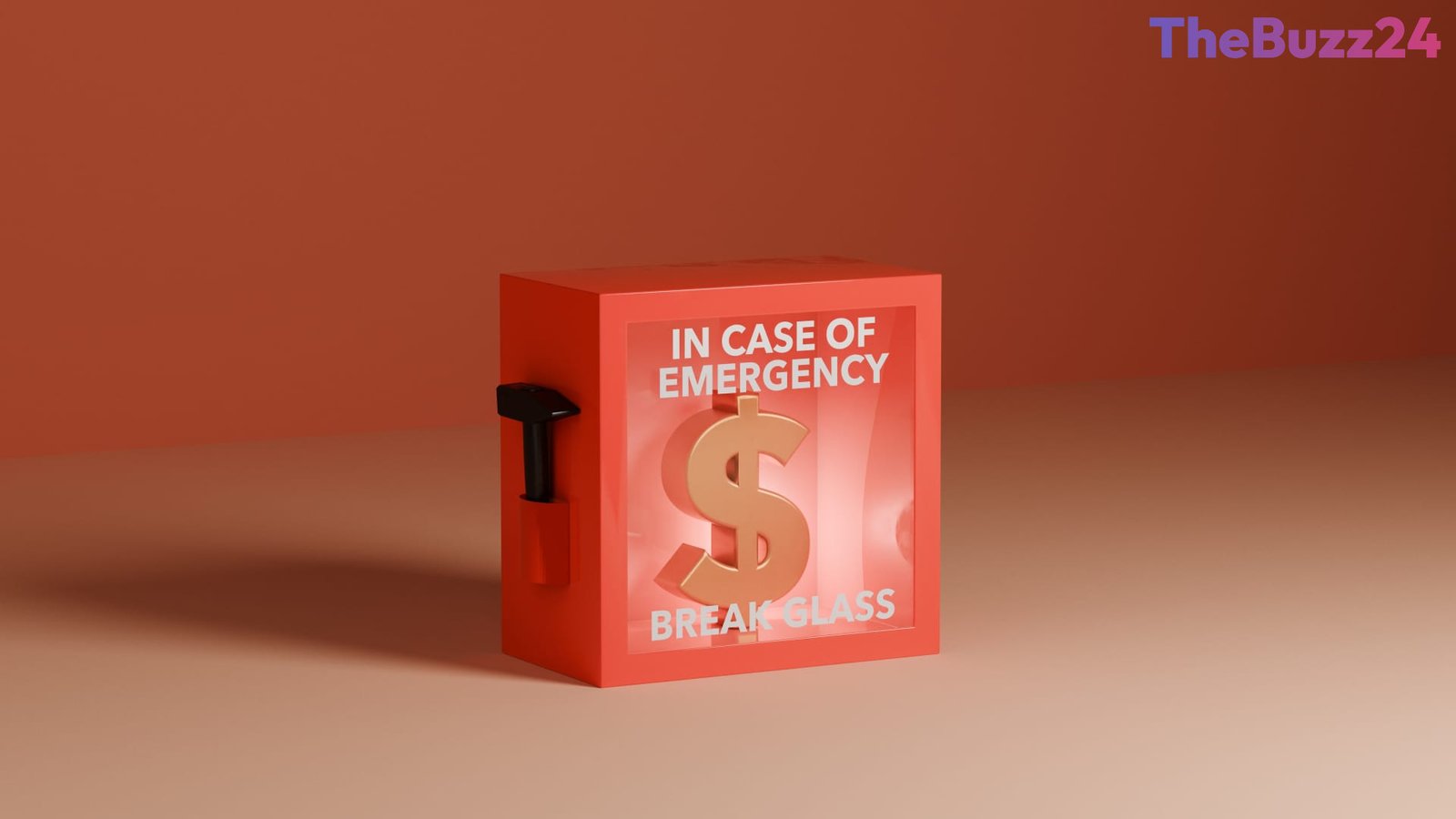
Establishing an emergency fund is a cornerstone of personal finance, yet for many, the prospect of setting aside money while living paycheck to paycheck feels daunting. Financial experts emphasize that a safety net is not a luxury but a necessity to prevent unexpected costs—such as vehicle repairs or medical bills—from spiraling into long-term debt. Even when budgets are tight, the objective is to prioritize the habit of saving over the specific dollar amount, starting with as little as $5 or $10 per pay period.
To begin, individuals should conduct a thorough review of their monthly spending to identify areas where costs can be trimmed, such as unused subscriptions or recurring service fees. Utilizing digital budgeting tools can provide clarity on cash flow and help categorize expenses. Once a small amount is saved, it is advisable to move those funds into a high-yield savings account (HYSA). Keeping these savings separate from a primary checking account reduces the temptation to spend the money on non-essential items while ensuring the funds remain accessible during a genuine crisis.
When faced with the choice between building savings and paying off debt, the strategy should be balanced. Financial advisors often suggest establishing a modest starter fund first to handle minor emergencies, which prevents the need to rely on high-interest credit cards. Once a basic buffer is in place, focus can shift toward aggressively paying down high-interest debt, as the interest saved by eliminating debt often outweighs the interest earned in a standard savings account. By treating windfalls like tax refunds or bonuses as opportunities to bolster savings rather than disposable income, individuals can gradually build a more secure financial future.
Ultimately, the goal is to reach a point where three to six months of essential living expenses are covered. While this may take time, the psychological and financial relief of having a dedicated reserve provides a significant advantage in navigating life’s unpredictable challenges. Consistency remains the most important factor in transforming a tight budget into a sustainable financial foundation.
Key Takeaways
- Start small by saving even a few dollars per paycheck to build the habit of consistency.
- Keep emergency funds in a separate high-yield savings account to prevent accidental spending.
- Prioritize paying off high-interest debt after establishing a small starter fund to avoid interest-related financial strain.
Editor’s Analysis & Impact
The current economic climate, characterized by high inflation and stagnant wage growth for many, has made the traditional advice of ‘saving for a rainy day’ increasingly difficult to implement. The shift toward digital-first banking and automated savings tools is a positive development, as it removes the friction of manual transfers. However, the broader implication is that personal financial health is becoming more dependent on technology and active debt management. As interest rates fluctuate, the role of high-yield savings accounts will remain critical for retail savers. Looking ahead, we expect a continued rise in the adoption of ‘micro-saving’ apps that round up purchases or automate small contributions, as these tools effectively lower the psychological barrier to entry for lower-income households attempting to build a financial cushion.
Frequently Asked Questions
Q: How much should I aim to have in my emergency fund?
A: Most experts recommend saving three to six months of essential living expenses. However, if you are just starting, focus on building a small buffer of a few hundred dollars to prevent minor emergencies from becoming debt.
Q: Should I pay off debt or save money first?
A: It is generally recommended to build a small starter emergency fund first so you don't have to rely on credit cards for minor surprises. Once that buffer exists, prioritize paying off high-interest debt, as the interest you pay on debt is usually much higher than the interest you earn on savings.
AI Disclosure: This article is based on verified data and official reports. Our Team and AI have cross-referenced every financial detail with primary sources to ensure total accuracy.
More from this Category