U.S. Secures Control of 65 Billion Barrels of Venezuelan Oil in Historic Energy Agreement
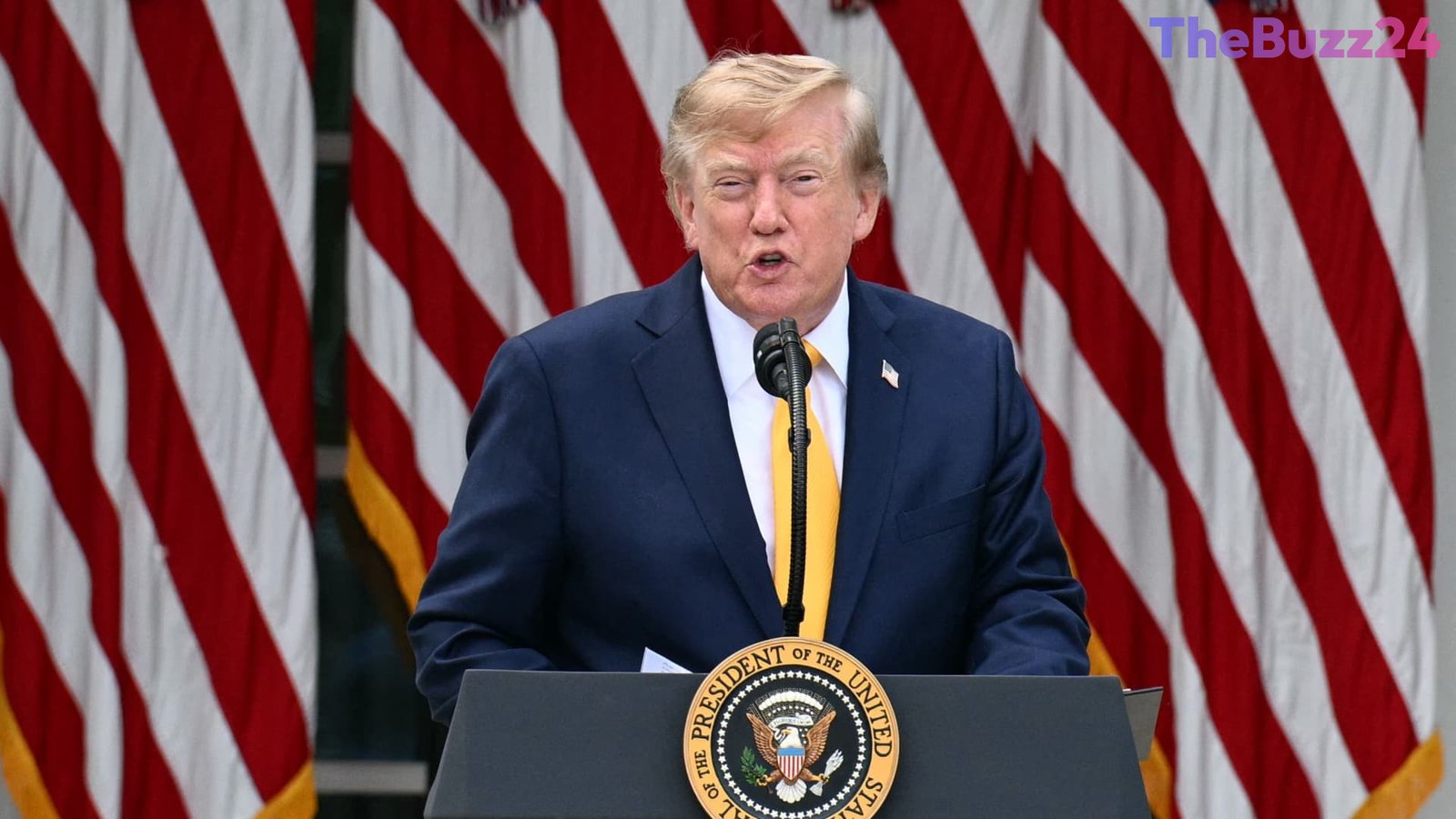
The United States has finalized a landmark agreement with Venezuela, securing majority control over more than 65 billion barrels of oil reserves. Announced by President Donald Trump, the massive deal is being positioned as a historic milestone that will more than double the strategic energy reserves of the United States. According to official statements, the acquisition was negotiated through a combination of public coordination and private sector partnerships, and is projected to incur no direct costs to American taxpayers.
This major geopolitical development follows a highly turbulent period in U.S.-Venezuela relations, highlighted by a military intervention in January that resulted in the capture of Venezuela’s former president, Nicolás Maduro, and his wife, Cilia Flores. Since then, transitional discussions between U.S. officials and Venezuelan leaders have paved the way for this energy alliance. The influx of Venezuelan crude comes at a critical time for the U.S. Strategic Petroleum Reserve, which recently dipped to volume levels not seen since the 1980s.
The timing of the deal is highly strategic, arriving as American consumers face soaring energy costs at the pump, with average domestic gasoline prices hovering around $4.09 per gallon—a 27% increase compared to last year. Policymakers hope the massive influx of oil will stabilize domestic fuel prices ahead of the upcoming midterm elections. While West Texas Intermediate crude prices experienced a modest 4% decline this week, overall energy markets remain highly volatile, having surged over 24% since the outbreak of hostilities between the U.S. and Iran.
The ongoing conflict with Iran has severely choked global energy supply chains, particularly in the Strait of Hormuz. Once a bustling maritime highway hosting roughly 100 crude tankers daily, transit through the vital strait has slowed to a mere trickle of just a few vessels per day. By securing a massive, Western-hemisphere supply of crude, the U.S. aims to insulate itself and its allies from the severe shipping bottlenecks currently paralyzing Middle Eastern trade routes.
Key Takeaways
- The United States has secured majority control of 65 billion barrels of Venezuelan oil reserves, more than doubling its strategic reserves.
- The agreement was facilitated through public-private partnerships following the January capture of former Venezuelan President Nicolás Maduro.
- The deal is intended to lower domestic gasoline prices and mitigate global supply chain disruptions caused by the ongoing U.S.-Iran conflict.
Editor’s Analysis & Impact
This unprecedented agreement marks a seismic shift in global energy geopolitics. By securing majority control over Venezuela’s massive reserves, the United States is effectively rewriting the map of global oil distribution. This move drastically reduces Western dependence on Middle Eastern transit routes, particularly the highly vulnerable Strait of Hormuz, which has been crippled by the U.S.-Iran conflict. However, the long-term viability of this deal hinges on stabilizing Venezuela’s domestic infrastructure, which has suffered from years of underinvestment and political chaos. Furthermore, while the immediate market reaction may offer temporary relief to consumers at the pump, the aggressive foreign policy maneuvers that precipitated this deal—including the ouster of Maduro—could invite prolonged geopolitical friction and intense scrutiny from international allies and adversaries alike.
Frequently Asked Questions
Q: How will this deal affect everyday gasoline prices in the United States?
A: The influx of Venezuelan oil is expected to increase supply and help lower domestic gasoline prices, which have recently averaged around $4.09 per gallon due to global supply constraints.
Q: What led to this agreement between the U.S. and Venezuela?
A: The deal follows a U.S. military operation in January that resulted in the capture of former Venezuelan President Nicolás Maduro. Subsequent negotiations between U.S. officials, new Venezuelan leadership, and private sector partners facilitated the agreement.
Q: Why is the Strait of Hormuz relevant to this situation?
A: The Strait of Hormuz is a critical global shipping lane for oil that has been severely disrupted by the conflict between the U.S. and Iran. Securing Venezuelan oil provides the U.S. with a massive alternative supply that bypasses this volatile region.
AI Disclosure: This article is based on verified data and official reports. Our Team and AI have cross-referenced every financial detail with primary sources to ensure total accuracy.
More from this Category