U.S. Naval Blockade Severely Dents Iranian Oil Exports Amid Shift to Economic Warfare
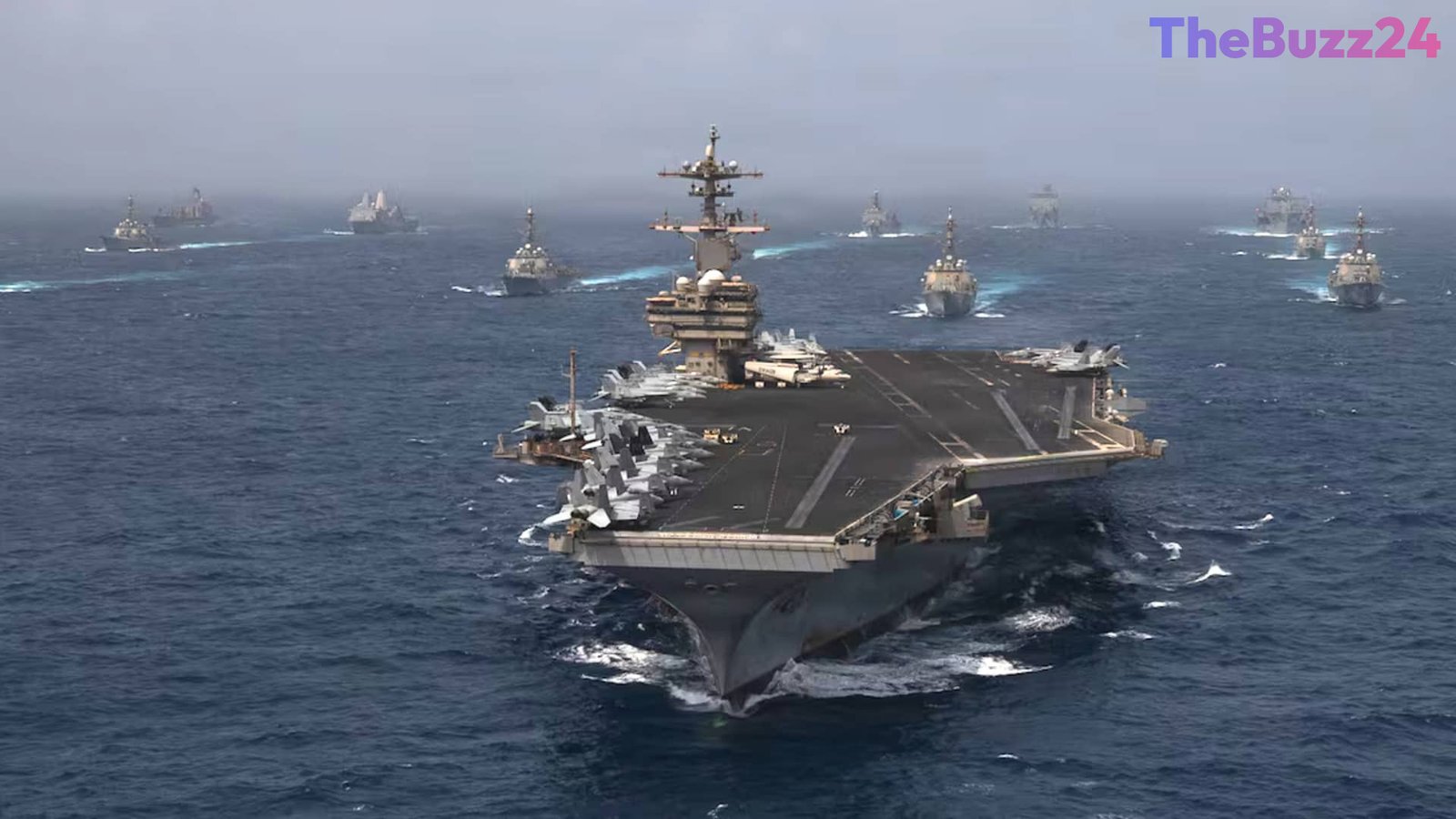
The ongoing U.S. naval blockade targeting Iran has drastically reduced the nation’s crude oil shipments, cutting off a primary stream of state revenue. By utilizing maritime interdiction rather than continuous airstrikes, the Trump administration has ramped up economic pressure in an effort to force Tehran to negotiations over the crucial Strait of Hormuz.
Data from trade intelligence entities indicates that Iranian crude loadings have plummeted significantly compared to previous months, dropping by more than 80% as ports struggle to move product past the strict naval perimeter. Meanwhile, the U.S. military has actively escorted commercial vessels belonging to Gulf allies through alternative southern corridors, effectively mitigating some of the supply chain bottlenecks and diminishing Tehran’s strategic leverage in the region.
This aggressive posture marks a distinct escalation into comprehensive economic warfare. Alongside the physical blockade, financial strategies are being deployed to sever the nation’s remaining global banking connections and isolate its economy entirely. Although ongoing tensions persist—highlighted by recent regional tanker attacks and defiant rhetoric from Tehran—the steady scaling of alternative shipping routes and the rapid depletion of export capabilities suggest that the multifaceted pressure campaign is actively reshaping Middle Eastern energy flows.
Key Takeaways
- U.S. naval blockade and enforcement actions have slashed Iran's crude oil export loadings by over 80%.
- The Trump administration has pivoted toward a strategy of total economic isolation and financial sanctions against Tehran.
- Military escorts for commercial vessels through southern corridors are helping Gulf allies bypass Iranian choke points and reducing Tehran's strategic leverage.
Editor’s Analysis & Impact
The intensification of the U.S. naval blockade and the launch of broader financial isolation strategies represent a major paradigm shift in modern geopolitical economic warfare. By systematically cutting off Iran’s petroleum revenues while simultaneously securing alternative maritime transit lanes, the strategy aims to exhaust state finances before resorting to prolonged military conflict. For global energy markets, this creates persistent volatility as traders balance reduced Iranian supply against functional alternative corridors in the Strait of Hormuz. The long-term implications could redefine how economic sanctions and naval power are integrated to coerce state actors, potentially setting a precedent for future resource-rich geopolitical standoffs.
Frequently Asked Questions
Q: How has the U.S. naval blockade affected Iran's oil exports?
A: The blockade has caused Iranian crude oil loadings to plunge by more than 80%, severely restricting the nation's primary source of state revenue.
Q: What is the primary goal of the Trump administration's current strategy in the region?
A: The administration aims to use economic warfare and total financial isolation to coerce Tehran into a deal regarding the reopening and control of the Strait of Hormuz.
Q: How are international trade and shipping being maintained through the Strait of Hormuz?
A: The U.S. military has been actively redirecting and escorting commercial vessels through a southern corridor along Oman's coast, allowing allied Gulf nations to maintain critical energy transit.
AI Disclosure: This article is based on verified data and official reports. Our Team and AI have cross-referenced every financial detail with primary sources to ensure total accuracy.
More from this Category