How Smart Traffic Lights Are Rewarding Law-Abiding Drivers to Curb Speeding
Urban planners and municipal officials across the United States are increasingly turning away from traditional punitive measures to combat speeding, opting instead for a novel carrot-and-stick approach: rewarding careful drivers with uninterrupted green lights. Cities like Albuquerque, New Mexico, and Portland, Oregon, have successfully deployed advanced traffic signal systems designed to keep vehicles moving smoothly, provided motorists adhere to the posted speed limits. This innovative strategy marks a significant departure from standard traffic management, aiming to foster safer streets through positive reinforcement rather than relying solely on automated tickets and fines.
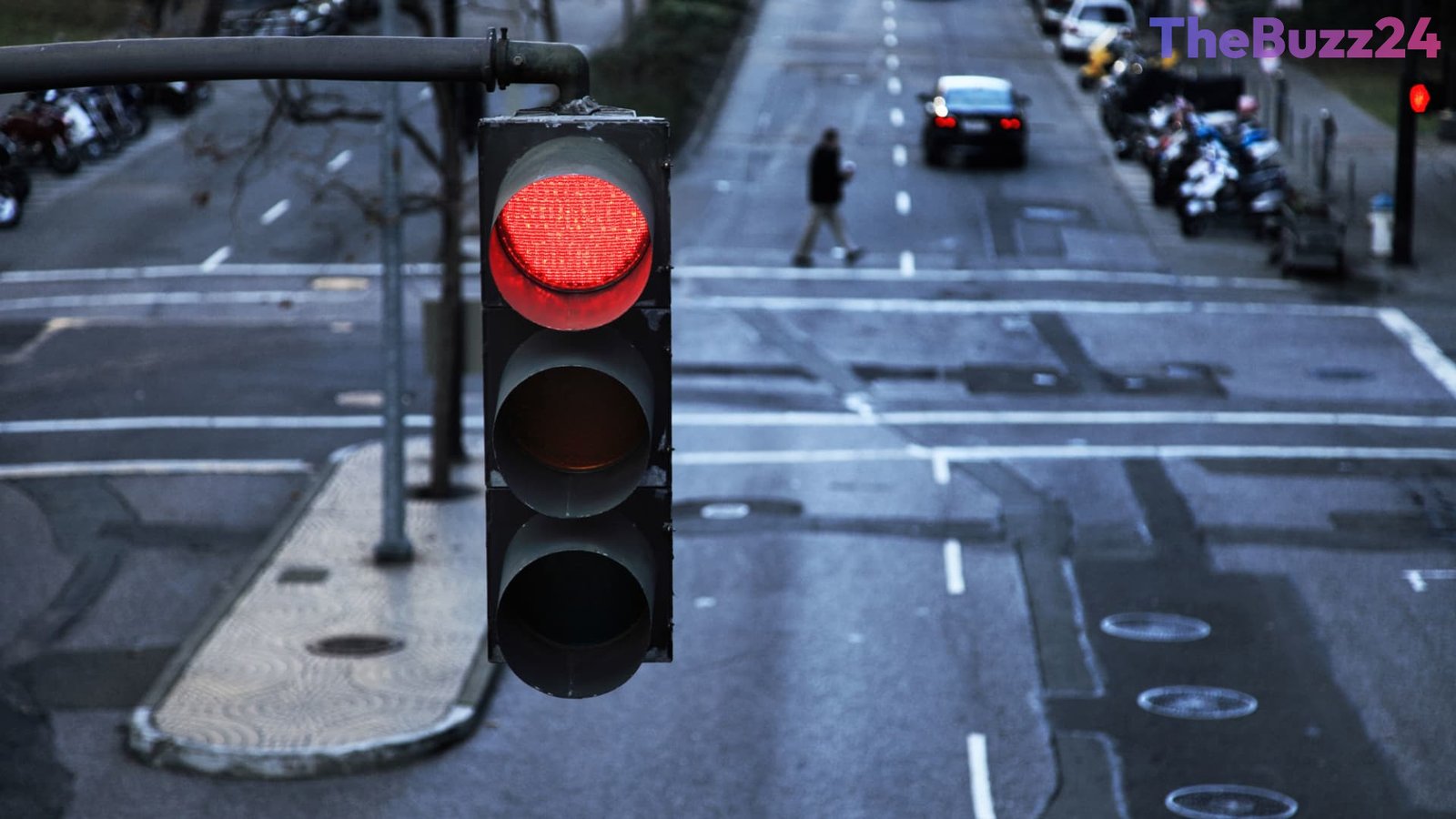
The mechanism, often referred to as an enhanced ‘rest-in-red’ system, utilizes integrated speed sensors to monitor incoming traffic. On busy corridors historically plagued by high-speed collisions, traffic signals default to red until an approaching vehicle is detected. However, unlike basic iterations of the concept, the technology grants an early green light specifically to motorists traveling at or below the legal speed limit. Conversely, drivers traveling at excessive speeds find themselves facing a wall of red lights, effectively creating what transportation engineers describe as a ‘virtual speed bump.’ Early deployments have yielded dramatic results, with municipal reports pointing to substantial drops in average vehicle speeds and a noticeable reduction in severe crashes.
Despite the promising local data, transportation experts and motorists’ advocates remain divided on the broader scalability of the approach. Critics point out that changing deeply ingrained driving habits requires robust public awareness campaigns, warning that uninformed drivers might simply grow frustrated by unexpected traffic delays without understanding the underlying cause. Furthermore, researchers emphasize the need for continued, long-term studies to ensure that these signal modifications do not inadvertently introduce new hazards, such as an increase in motorists running red lights out of frustration. Even so, for residents living along notoriously dangerous thoroughfares, the technology has already brought a welcome sense of calm and safety to their neighborhoods.
Key Takeaways
- Albuquerque and Portland are utilizing advanced 'rest-in-red' traffic systems equipped with speed sensors to reward drivers who obey speed limits with early green lights.
- Initial data from these corridors shows promising results, including significant reductions in average vehicle speeds and fewer high-speed crashes.
- Traffic experts and advocacy groups call for broader education campaigns and further research to ensure the systems do not cause driver frustration or unintended safety hazards.
Editor’s Analysis & Impact
The implementation of sensor-driven, adaptive traffic control systems represents a fascinating evolution in municipal infrastructure and urban safety management. By shifting the paradigm from purely punitive enforcement—such as red-light cameras and speeding tickets—to real-time behavioral incentives, cities are testing a psychological approach to engineering safer roads. If longitudinal studies continue to demonstrate significant reductions in collisions without causing gridlock or secondary safety issues, we can expect this technology to see widespread adoption across suburban and urban corridors nationwide. However, the success of these systems relies heavily on public comprehension and acceptance, meaning municipalities will need to invest concurrently in clear signage and driver education to mitigate frustration and maximize compliance.
Frequently Asked Questions
Q: What is the 'rest-in-red' traffic signal concept?
A: It is a traffic management strategy where signals default to red until an approaching vehicle is detected. Advanced versions use speed sensors to grant early green lights to drivers who obey the speed limit, while forcing speeding drivers to stop.
Q: Which U.S. cities have experimented with this technology?
A: Cities such as Albuquerque, New Mexico, and Portland, Oregon, have implemented sensor-based rest-in-red systems, while places like Los Angeles, Boulder, and Long Beach have tested smaller or earlier variations of the concept.
Q: What are the primary concerns regarding these smart traffic lights?
A: Critics and advocates worry that drivers might become frustrated by unexpected red lights without understanding why they were triggered, potentially leading to increased red-light running or other hazardous driving behaviors.
AI Disclosure: This article is based on verified data and official reports. Our Team and AI have cross-referenced every financial detail with primary sources to ensure total accuracy.
More from this Category