Himalayan Catastrophe: Death Toll Nears 800 Amid Desperate Search and Rescue Operations
Emergency responders in Nepal and China are locked in an intense race against time to locate thousands of individuals still missing following a devastating glacier collapse that triggered a massive mudslide across the Himalayas. The disaster, compounded by treacherous weather conditions and swelling waterways, has pushed the confirmed death toll to nearly 800, with more than 3,000 people unaccounted for on both sides of the border.
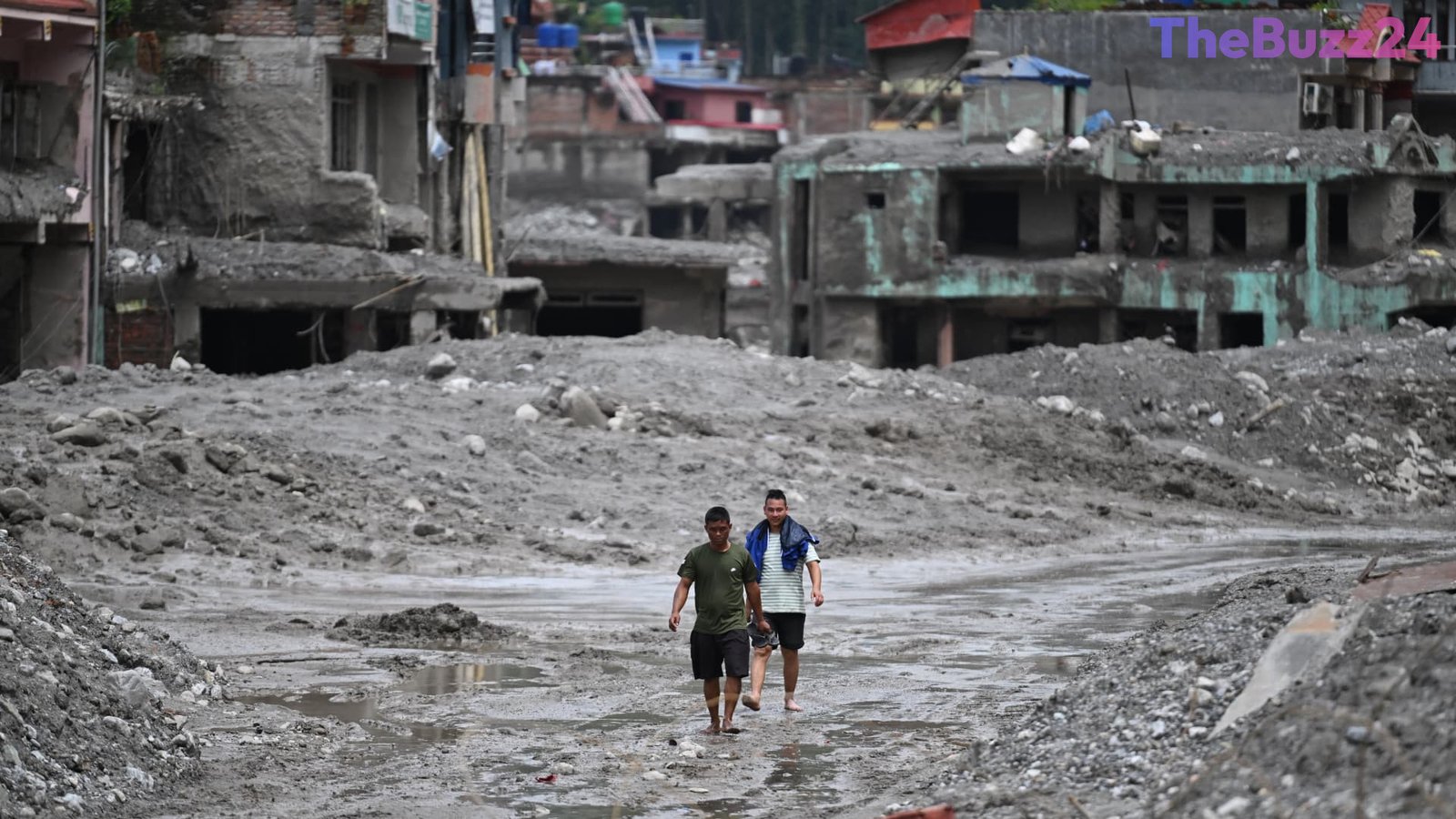
The catastrophic torrent of ice, rock, and mud swept through mountain valleys after a sudden glacier destabilization linked to long-term climate shifts. Organizations such as the Red Cross estimate that upwards of 90,000 residents have been directly or indirectly impacted by the widespread destruction. The remote and rugged terrain has severely hindered mobility, forcing rescue coordinators to rely on military airdrops, heavy machinery, and specialized international teams from neighboring nations.
Operations faced frequent suspensions due to continuous rainfall and rising water levels in major rivers like the Trishuli. Furthermore, newly formed natural dams and overflowing glacial lakes continue to threaten downstream communities. In Nepal, rescue efforts are heavily concentrated around multiple inundated hydropower installations, including the Upper Trishuli complex, where hundreds of people are suspected to be trapped in tunnels. Troops and specialists are meticulously clearing debris while utilizing life-detection equipment and cameras to locate survivors.
In the wake of the tragedy, authorities have been forced to carry out mass burials for hundreds of unidentified victims in districts like Chitwan as bodies rapidly decompose. Officials gathered DNA samples and meticulously documented burial sites to help grieving families find closure later. Governments and humanitarian agencies continue to coordinate relief efforts, deploying millions in emergency funds and specialized medical supplies to manage the unfolding humanitarian crisis.
Key Takeaways
- The Himalayan mudslide death toll approaches 800, with over 3,000 individuals still missing across the Nepal-China border.
- Glacier instability driven by climate change has been identified as the primary catalyst for the catastrophic cross-border disaster.
- Rescue operations are heavily impeded by bad weather, secondary flooding risks, and blocked infrastructure such as inundated hydropower tunnels.
Editor’s Analysis & Impact
This catastrophic Himalayan disaster highlights the escalating vulnerability of mountainous regions to climate-driven cryosphere events. Beyond the immediate humanitarian tragedy, the incident exposes severe infrastructure vulnerabilities in remote cross-border energy projects, such as hydropower facilities situated in high-risk zones. Economically, the region faces prolonged recovery costs, infrastructure rebuilding, and potential disruptions to local energy grids. Furthermore, the event underscores the urgent need for enhanced early warning systems, cross-border environmental monitoring, and resilient engineering standards for developments in high-altitude environments vulnerable to global warming.
Frequently Asked Questions
Q: What caused the Himalayan disaster?
A: The disaster was triggered by a glacier collapse and instability caused by long-term global warming, which unleashed a massive mudslide of ice, rock, and debris across mountain valleys.
Q: How many people are affected or missing?
A: The death toll has approached 800, with over 3,000 people missing, and the Red Cross estimates that more than 90,000 individuals have been affected overall.
Q: Why are mass burials being conducted?
A: Due to the rapid decomposition of bodies retrieved from rivers and debris, and the inability to identify many severely disfigured remains, authorities were forced to perform mass burials after collecting DNA samples for future identification.
AI Disclosure: This article is based on verified data and official reports. Our Team and AI have cross-referenced every financial detail with primary sources to ensure total accuracy.
More from this Category