Germany Imposes Diplomatic Sanctions Following Evidence of Russian Sabotage at Leipzig Airport
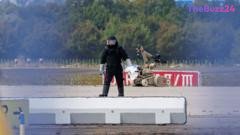
The German government has officially attributed a series of drone-based sabotage attempts at Leipzig/Halle Airport to Russian intelligence operations. The incident, which occurred in early August, involved a drone carrying an explosive device that failed to detonate due to a faulty trigger. Investigators believe the attempt was part of a broader campaign of hybrid warfare aimed at disrupting logistics hubs that support Ukraine’s military and humanitarian supply chains.
In response to the findings, Berlin has announced a series of retaliatory measures, including the closure of the Russian consulate in Bonn and the termination of operations at the Russian House in Berlin, a facility long suspected of serving as a hub for espionage and propaganda. Furthermore, the government is implementing stricter entry requirements for Russian nationals and intensifying efforts to disrupt the ‘shadow fleet’ of tankers used by Moscow to bypass international sanctions.
While Russian officials have dismissed the allegations as absurd and threatened reciprocal diplomatic actions, the evidence presented by German authorities has drawn strong support from international allies. NATO Secretary-General Mark Rutte and EU Commission President Ursula von der Leyen have both expressed solidarity with Germany, signaling that the incident may trigger a new wave of collective sanctions against Moscow. The situation remains tense as German security services work to bolster their counter-intelligence capabilities in the face of increasing hybrid threats.
Beyond the diplomatic fallout, the incident has sparked internal political debate within Germany. With regional elections approaching and opposition parties questioning the efficacy of current security measures, the government is under pressure to demonstrate a more robust stance against foreign interference. Meanwhile, authorities continue to investigate separate incidents of sabotage, including recent attacks on power infrastructure in Brandenburg, as the nation grapples with a heightened state of alert.
Key Takeaways
- Germany has formally linked Russia to a failed drone-bomb attack at Leipzig/Halle Airport, a critical logistics hub for Ukraine-bound cargo.
- Berlin is responding by closing the Russian consulate in Bonn and shutting down the Russian House in Berlin due to espionage concerns.
- NATO and EU leaders have pledged full support for Germany, with additional sanctions against Russia currently under consideration.
Editor’s Analysis & Impact
The escalation between Berlin and Moscow marks a significant shift in European security dynamics. By moving from vague accusations of ‘foreign interference’ to concrete diplomatic expulsions, Germany is signaling a departure from its historically cautious approach to Russian provocations. This shift is likely to have long-term implications for the ‘shadow’ conflict being waged across Europe, where critical infrastructure is increasingly becoming a primary target for hybrid warfare. Economically, the move to target Russia’s shadow tanker fleet could further tighten the squeeze on Moscow’s energy revenues. However, the political timing is precarious; with the rise of domestic opposition parties that favor de-escalation with Russia, the German government faces a difficult balancing act. Future stability will depend on whether these measures successfully deter further sabotage or if they trigger a cycle of retaliatory actions that could destabilize regional energy and transport networks.
Frequently Asked Questions
Q: Why was Leipzig/Halle Airport targeted?
A: The airport serves as a vital logistics hub for military and humanitarian aid to Ukraine, including acting as a base for Antonov Airlines, making it a strategic target for Russian hybrid operations.
Q: What specific measures is Germany taking against Russia?
A: Germany is closing the Russian consulate in Bonn, shutting down the Russian House in Berlin, tightening visa entry requirements for Russian citizens, and increasing pressure on the Russian 'shadow fleet' of oil tankers.
AI Disclosure: This article is based on verified data and official reports. Our Team and AI have cross-referenced every financial detail with primary sources to ensure total accuracy.
More from this Category