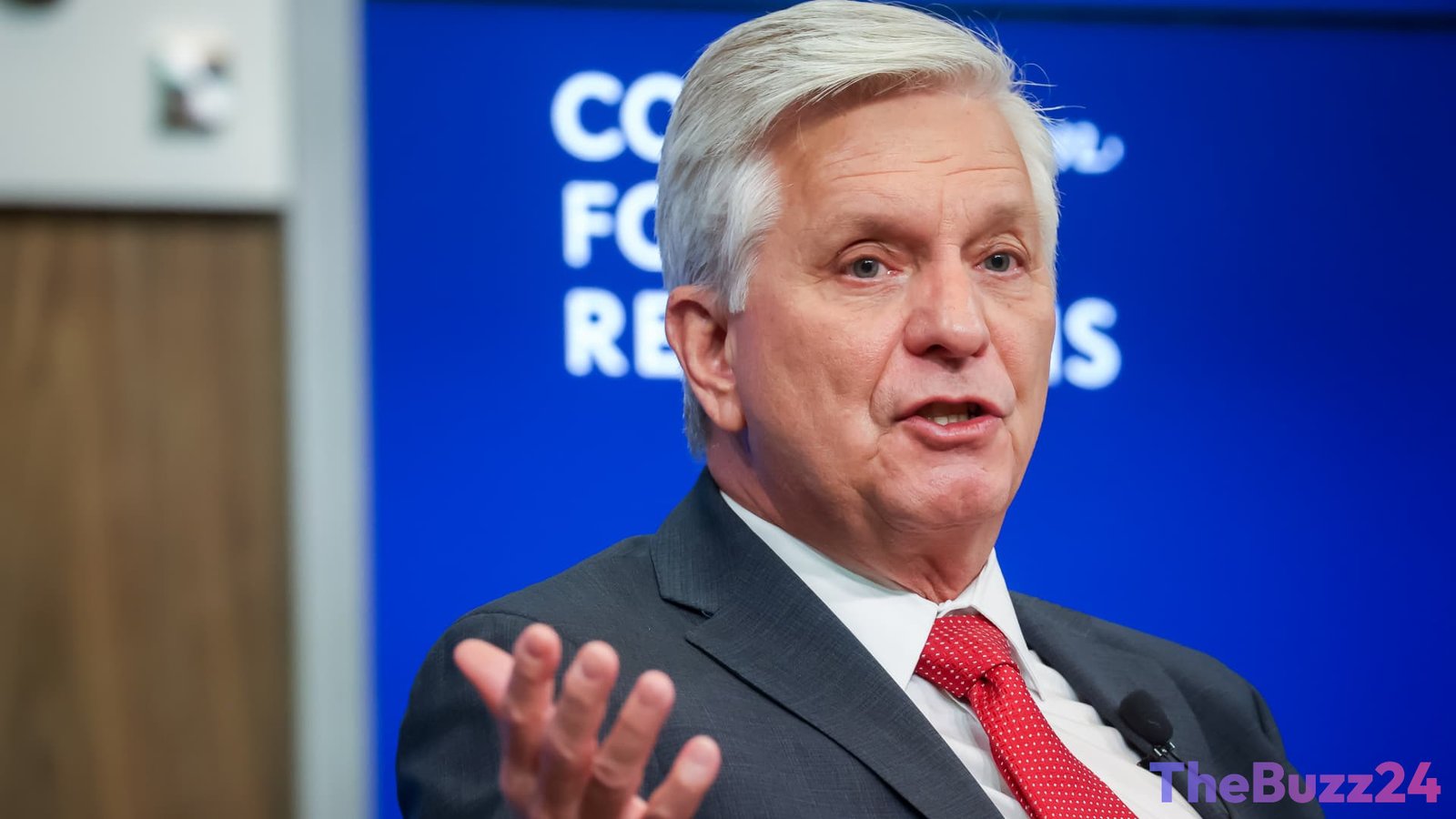
Fed Governor Christopher Waller Signals Support for Rate Pause in September as Inflation Cools
Federal Reserve Governor Christopher Waller has signaled his inclination to support keeping interest rates unchanged at the central bank’s upcoming September policy meeting. Speaking on the trajectory of the economy, Waller expressed growing confidence that inflation is moving in the right direction, suggesting that the current monetary policy stance may be sufficient for the time being, provided upcoming economic data does not present any unexpected shocks.
While acknowledging that inflation remains noticeably above the Federal Reserve’s long-term 2% target, Waller highlighted encouraging signs of disinflation. He pointed out that the three-month annualized inflation rate, measured by the central bank’s preferred gauge, has decreased significantly from 4.76% in February to 3.05%. According to Waller, these short-term trends offer a more accurate picture of the current economic climate than lagging year-over-year figures, which showed headline inflation at 3.7% and core inflation at 3.3% for July.
Waller’s relatively optimistic outlook stands in contrast to recent hawkish remarks from Chairman Kevin Warsh at the Jackson Hole symposium, where Warsh warned that underlying inflation trends had not yet shown meaningful improvement. However, Waller emphasized that his support for a rate pause remains highly data-dependent. With crucial consumer and producer price index reports scheduled for release next week, he cautioned that any evidence of inflation reversing course in August could quickly prompt him to advocate for further policy tightening.
Key Takeaways
- Federal Reserve Governor Christopher Waller favors holding interest rates steady at the September meeting, contingent on upcoming inflation data.
- Waller highlighted a positive downward trend, noting the three-month inflation rate has fallen to 3.05% from 4.76% in February.
- His stance offers a more dovish contrast to Chairman Kevin Warsh's recent hawkish comments regarding persistent inflation pressures.
Editor’s Analysis & Impact
Governor Waller’s comments introduce a notable divergence in perspective within the Federal Reserve’s leadership, offering a temporary reprieve to markets that had braced for a more aggressive rate hike path following Chairman Warsh’s hawkish Jackson Hole speech. By focusing on short-term, three-month annualized inflation trends rather than year-over-year metrics, Waller presents a compelling case that current monetary policy is successfully cooling demand without over-tightening. However, this delicate balance hinges entirely on the upcoming CPI and PPI data releases. If these reports show even a minor resurgence in inflation, the Fed will likely face intense pressure to raise rates again. For investors, this highlights a period of heightened sensitivity to macroeconomic data, where individual data points will dictate short-term market volatility and the broader trajectory of borrowing costs heading into the final quarter of the year.
Frequently Asked Questions
Q: Why does Governor Waller support holding interest rates steady?
A: Waller believes that recent economic data shows encouraging signs of disinflation, with the three-month inflation rate dropping significantly, suggesting current monetary policy is effectively cooling the economy.
Q: How does Waller's view differ from Chairman Kevin Warsh's stance?
A: While Chairman Warsh recently suggested that underlying inflation trends have not meaningfully improved and hinted at the need for more work, Waller is more optimistic about the downward trajectory of inflation and favors a pause.
Q: What could cause the Federal Reserve to change its mind and raise rates in September?
A: If the upcoming consumer and producer price index reports show that progress toward the 2% inflation target reversed in August, policymakers like Waller may shift to support further rate hikes.
AI Disclosure: This article is based on verified data and official reports. Our Team and AI have cross-referenced every financial detail with primary sources to ensure total accuracy.
More from this Category