Indonesia Faces Severe Environmental Crisis as Peatland Fires Intensify
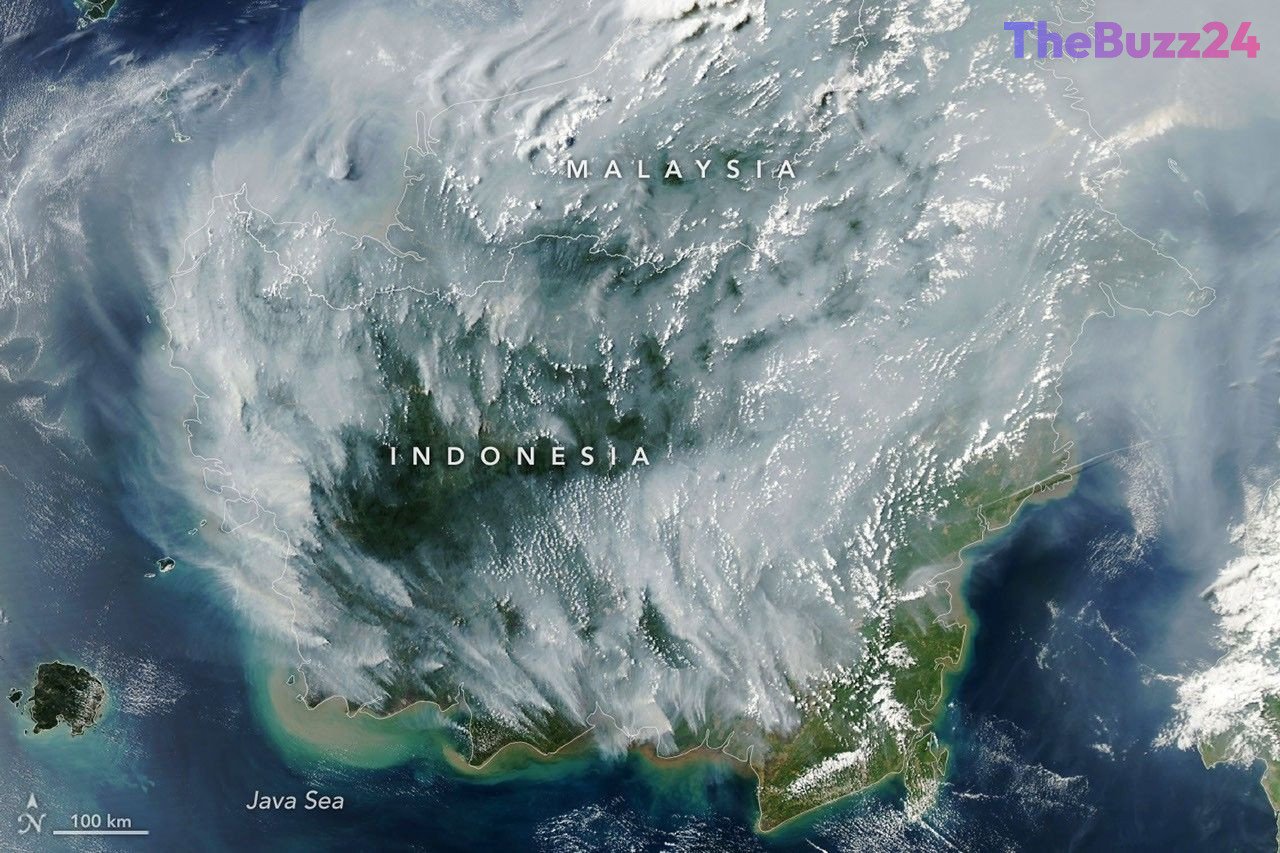
Indonesia is currently grappling with a surge in destructive peatland fires that have blanketed the region in thick, hazardous smoke. As the country enters its fire season, satellite observations have identified numerous thermal anomalies across Borneo, signaling a rapid escalation in fire activity. These blazes, which are notoriously difficult to extinguish, are burning through dried wetland soils and releasing significant quantities of greenhouse gases and particulate matter into the atmosphere.
The current crisis is being exacerbated by a strong El Niño weather pattern, which has triggered widespread drought conditions across the archipelago. With approximately 90 percent of the country receiving little to no rainfall in recent weeks, the peatlands have become highly flammable. Experts note that while surface fires are a concern, the primary danger lies in underground smoldering that can persist for months until the arrival of the rainy season, typically in October or November.
In response to the deteriorating air quality, local authorities have implemented emergency measures, including the temporary closure of nine national parks and the transition of some schools to remote learning. The situation serves as a critical stress test for land management policies introduced following the devastating fire season of 2015. While efforts to dam irrigation canals and restore wetlands have been underway for years, the current intensity of the fires highlights the ongoing vulnerability of Indonesia’s peat ecosystems to climate-driven extremes.
Researchers are now utilizing advanced satellite algorithms to better track these fires, particularly those hidden beneath forest canopies or burning deep underground. As the smoke continues to disrupt daily life and pose health risks to millions, the international scientific community emphasizes the need for sustained, long-term environmental management to prevent these recurring disasters from reaching the catastrophic levels seen in previous decades.
Key Takeaways
- A strong El Niño-induced drought has created ideal conditions for widespread, long-lasting peatland fires across Indonesia.
- Peat fires are uniquely dangerous because they smolder underground, making them difficult to detect via satellite and nearly impossible to extinguish until heavy rains arrive.
- The current fire season is serving as a major test for post-2015 environmental restoration projects and improved firefighting infrastructure.
Editor’s Analysis & Impact
The recurring nature of Indonesia’s peatland fires represents a significant systemic risk to both global climate goals and regional economic stability. From a market perspective, these events disrupt supply chains, particularly in the agricultural and forestry sectors, while forcing governments to divert substantial capital toward emergency response and public health mitigation. The long-term outlook remains precarious; as climate patterns like El Niño become more volatile, the ‘stress test’ of current land management policies will likely fail without more aggressive, large-scale restoration of the water table. Investors and policymakers should view these fires not as isolated natural disasters, but as a persistent environmental liability that threatens the viability of carbon-intensive industries in the region and necessitates a shift toward more resilient, sustainable land-use models.
Frequently Asked Questions
Q: Why are peatland fires harder to extinguish than regular forest fires?
A: Peatland fires burn in organic, carbon-rich soil underground. Because they smolder at low temperatures beneath the surface, they are shielded from traditional firefighting efforts and can continue to burn for months until significant rainfall saturates the ground.
Q: What role does El Niño play in these fires?
A: El Niño is a climate pattern that typically causes severe reductions in rainfall across Indonesia. This drought dries out the peatlands, which are normally waterlogged, turning them into highly flammable fuel for fires.
AI Disclosure: This article is based on verified data and official reports. Our Team and AI have cross-referenced every financial detail with primary sources to ensure total accuracy.
More from this Category