Nature’s Reaction: How Wildlife Responds to a Total Solar Eclipse
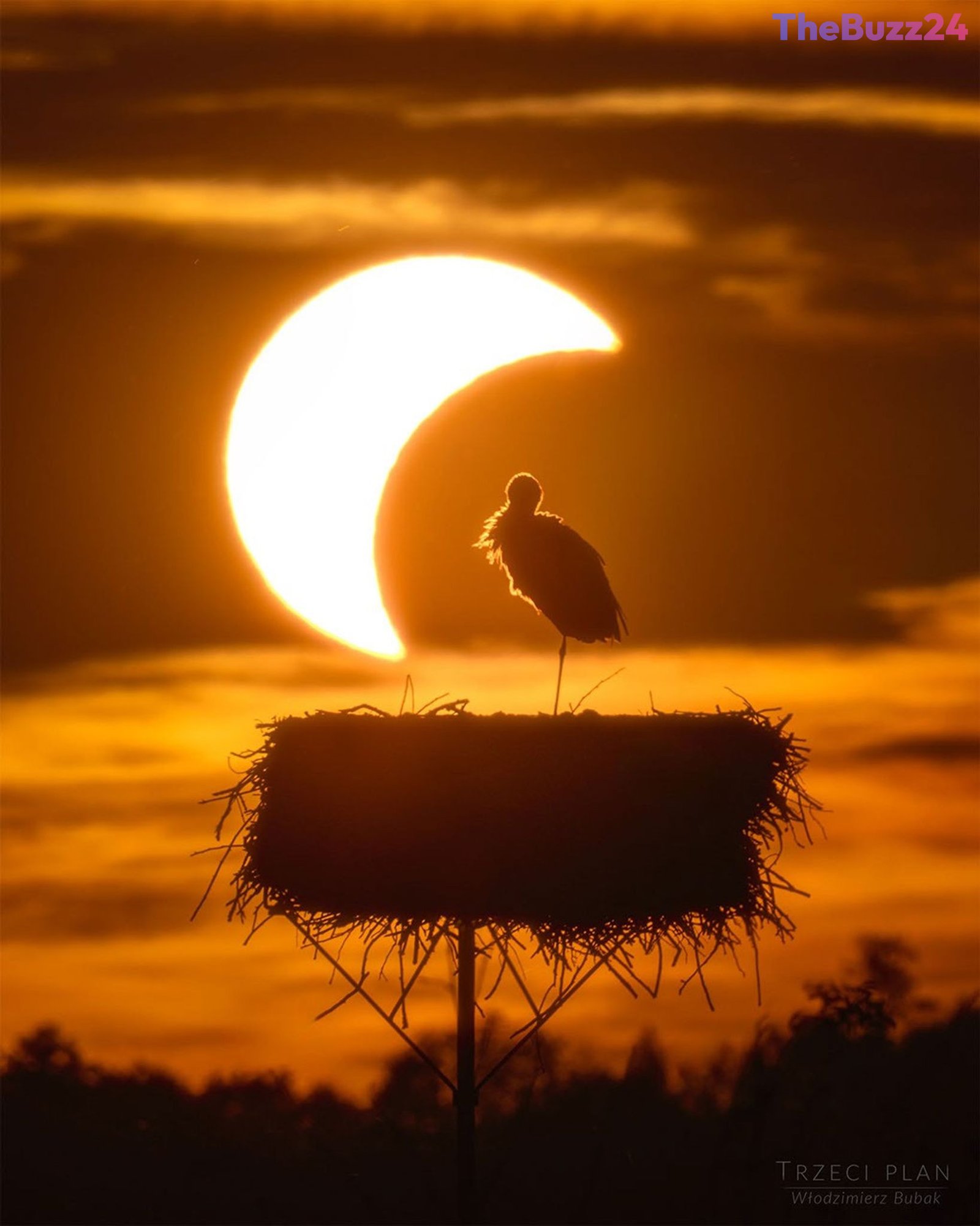
A total solar eclipse is more than just a celestial spectacle for human observers; it serves as a profound disruption to the natural rhythms of the animal kingdom. Recent observations captured in Poland during a total solar eclipse highlight the immediate behavioral shifts in wildlife, specifically documenting a stork settling into its nest as the partial phase of the eclipse began to dim the landscape.
When the moon obscures the sun, the sudden onset of darkness triggers instinctual responses in various species. As light levels drop, many animals perceive the change as the arrival of night. Nocturnal creatures, such as crickets and frogs, often begin their evening vocalizations, while fireflies may emerge, misled by the premature twilight. Conversely, diurnal birds frequently cease their activity, seeking shelter or roosting positions as they would during a standard sunset.
Waterfowl, including ducks, have been observed preparing for sleep during the period of totality, tucking their heads into their feathers in a characteristic resting posture. This biological confusion is short-lived, however. As the sun re-emerges and daylight returns, the sudden transition mimics a dawn, prompting songbirds to break into morning choruses while nocturnal insects fall silent. These brief, dramatic shifts illustrate the deep reliance of wildlife on solar cues to regulate their daily survival strategies.
Key Takeaways
- Total solar eclipses trigger instinctual 'nighttime' behaviors in diurnal animals, including roosting and sleep preparation.
- Nocturnal species like crickets and frogs often begin their activity cycles during the period of totality.
- The return of sunlight following an eclipse acts as a false dawn, causing birds to resume morning vocalizations.
Editor’s Analysis & Impact
The study of animal behavior during solar eclipses, often referred to as ‘eclipse ethology,’ provides valuable insights into the biological clocks of various species. While these events are rare, they offer a unique, natural experiment in how environmental stimuli override circadian rhythms. From an ecological perspective, these observations underscore the fragility and precision of animal instincts. As climate change and artificial light pollution continue to alter natural environments, understanding how wildlife reacts to sudden shifts in light is becoming increasingly relevant for conservationists. Future research into these phenomena will likely focus on broader species diversity to determine if specific physiological traits make certain animals more susceptible to these celestial disruptions than others.
Frequently Asked Questions
Q: Why do birds go quiet during a total solar eclipse?
A: Birds often go quiet because the sudden darkness mimics the onset of night, triggering their instinctual drive to roost and prepare for sleep.
Q: Do animals permanently change their behavior after an eclipse?
A: No, the behavioral changes are temporary. Once the sun reappears, animals quickly resume their normal daily activities as if the eclipse never occurred.
AI Disclosure: This article is based on verified data and official reports. Our Team and AI have cross-referenced every financial detail with primary sources to ensure total accuracy.
More from this Category