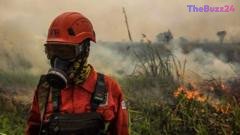
Toxic Haze Crisis Grips Southeast Asia as Super El Niño Fuels Massive Wildfires
A suffocating blanket of toxic smog has descended across Southeast Asia, as persistent wildfires in Indonesia spread hazardous air quality into Malaysia, Singapore, and the Philippines. The regional crisis has left millions of residents exposed to pollution levels that, in some areas, exceed World Health Organization safety guidelines by more than 15 times. The fires, which have been burning across Sumatra and Indonesian Borneo since mid-July, are being significantly intensified by a powerful ‘Super’ El Niño weather pattern that has exacerbated drought conditions across the region.
The human toll of the disaster is mounting rapidly. Indonesia’s Health Ministry has documented over 50,000 cases of respiratory infections since July, with children under five being particularly vulnerable. Local reports from affected areas describe visibility so poor that residents struggle to see their own surroundings, even indoors. Across the border in the Philippines and Malaysia, medical professionals are reporting a surge in cases of asthma, conjunctivitis, and persistent respiratory irritation as the smoke drifts across international boundaries.
Environmental experts point to a complex intersection of climate phenomena and historical land-use practices as the primary drivers of the catastrophe. While the El Niño-induced drought provides the fuel, the severity of the fires is often linked to the drainage of peatlands for industrial plantations and commercial development. These peatlands, which typically act as vital carbon sinks, are now releasing massive amounts of stored carbon into the atmosphere, effectively turning them into ‘carbon bombs.’
As the region enters the peak of the El Niño cycle, authorities are bracing for a potential escalation in fire activity. Experts warn that if current trends continue, the total area burned could reach levels comparable to the devastating 1997-1998 wildfire season. Government officials have described the current situation as a critical battle, with efforts to contain the blazes intensifying as the dry season reaches its zenith.
Key Takeaways
- A 'Super' El Niño is intensifying drought conditions, causing wildfires in Indonesia to spread toxic haze across Southeast Asia.
- Over 50,000 respiratory infection cases have been reported in Indonesia alone, with children being the most affected demographic.
- The burning of drained peatlands is releasing massive amounts of stored carbon, posing both a public health crisis and a significant environmental threat.
Editor’s Analysis & Impact
The current wildfire crisis in Southeast Asia serves as a stark illustration of how climate-driven weather patterns, such as El Niño, can amplify existing environmental vulnerabilities. The economic and social implications are profound; beyond the immediate public health burden and strain on healthcare systems, the destruction of peatlands represents a long-term loss of critical carbon sequestration infrastructure. Future outlooks remain grim as the region faces increasing pressure to balance industrial land use with environmental sustainability. Investors and policymakers must recognize that the ‘carbon bomb’ effect of these fires will likely influence regional climate policy and international trade standards regarding palm oil and timber. The situation underscores the urgent need for transboundary cooperation in fire management and a fundamental shift in land-use governance to prevent recurring ecological disasters.
Frequently Asked Questions
Q: Why are the fires in Indonesia particularly dangerous?
A: The fires are burning through vast peatland ecosystems. When these areas are drained and ignited, they release massive amounts of stored carbon, creating a 'carbon bomb' effect that significantly worsens air quality and contributes to global warming.
Q: What role does El Niño play in these wildfires?
A: El Niño creates severe drought conditions in the region, drying out vegetation and peatlands. This makes the landscape highly susceptible to ignition and allows fires to spread much faster and more intensely than under normal weather conditions.
AI Disclosure: This article is based on verified data and official reports. Our Team and AI have cross-referenced every financial detail with primary sources to ensure total accuracy.
More from this Category