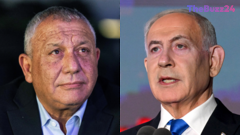
High Stakes in Israel as Netanyahu Faces Fierce Challenge from Eisenkot in Historic Election
Israel is heading to the polls in what many analysts describe as one of the most critical general elections in the nation’s history. Marking the first national ballot since the October 7, 2023 attacks and the sweeping regional conflicts that followed, the vote represents a profound referendum on national security, governance, and the country’s broader geopolitical path. Incumbent Prime Minister Benjamin Netanyahu is locked in a fierce contest against former military chief Gadi Eisenkot, whose newly formed Yashar Party has gained substantial traction among voters seeking institutional accountability.
Eisenkot, a former head of the Israel Defense Forces who served in the emergency war cabinet before stepping down over strategy disputes, has built his platform around addressing the security lapses that preceded the 2023 assault. While Netanyahu continues to brand himself as the indispensable protector of the state, he faces severe political pressure from an array of opposition figures. These include right-wing leaders Naftali Bennett and Avigdor Lieberman, as well as left-wing figure Yair Golan. Despite their stark ideological divides on territorial governance and defense, opposition factions may attempt to bridge their differences to build an anti-Netanyahu coalition.
Under Israel’s proportional representation system, capturing the necessary 61-seat majority in the 120-seat Knesset requires extensive coalition bargaining. To retain his premiership, Netanyahu will likely depend heavily on existing hard-right and ultra-nationalist partners. Beyond immediate defense policies, the campaign has highlighted intense domestic fault lines, including contentious judicial overhaul legislation, soaring living costs, and the increasingly polarising debate surrounding military exemptions for ultra-Orthodox men.
The outcome will carry immense consequences for the broader region. While both primary candidates express support for framework arrangements to curb Hamas rule in Gaza and reject immediate proposals for an independent Palestinian state, their approaches to West Bank settlement growth and domestic judicial independence diverge significantly. With initial exit polls anticipated immediately after voting ends, weeks of tense negotiations are expected before a viable governing coalition emerges.
Key Takeaways
- Incumbent Prime Minister Benjamin Netanyahu faces a tight race against former IDF chief Gadi Eisenkot in Israel's first election since the October 7 attacks.
- Forming a government requires securing 61 of the 120 Knesset seats, likely leading to weeks of complex coalition bargaining among ideologically split parties.
- Major campaign issues center on the accountability for wartime security failures, judicial reforms, military conscription for ultra-Orthodox men, and the rising cost of living.
Editor’s Analysis & Impact
This election signifies a critical turning point for Israel’s long-term internal stability and its regional diplomatic posture. The fragmentation of the political landscape means that regardless of whether Netanyahu or Eisenkot secures the mandate, the incoming leader will be bound to delicate, multi-party alliances. Continued reliance on ultra-nationalist factions could further complicate relations with Western allies and stall regional integration efforts. Conversely, a coalition led by Eisenkot would face the monumental challenge of reconciling hawkish security mandates with moderate domestic policies. In either scenario, the structural issues of judicial oversight, military draft equity, and regional defense frameworks will test the resilience of Israel’s democratic institutions and determine the durability of any newly formed government.
Frequently Asked Questions
Q: How many seats are needed to form a government in Israel?
A: The Israeli Knesset consists of 120 seats, meaning a prospective prime minister must assemble a coalition commanding at least 61 seats to establish a governing majority.
Q: Why is this election considered historically significant?
A: It serves as the first national referendum on leadership and national security following the October 7, 2023 attacks and the subsequent conflicts across Gaza and the wider Middle East.
Q: What happens if no leader can form a governing coalition?
A: If the designated leader fails to build a majority within the allocated timeframe, the president can task another contender with the mandate. If all attempts fail, parliament is dissolved and new elections are called.
AI Disclosure: This article is based on verified data and official reports. Our Team and AI have cross-referenced every financial detail with primary sources to ensure total accuracy.
More from this Category