Liftoff on the Horizon: Progress 96 Cargo Mission Prepares for Space Station Resupply
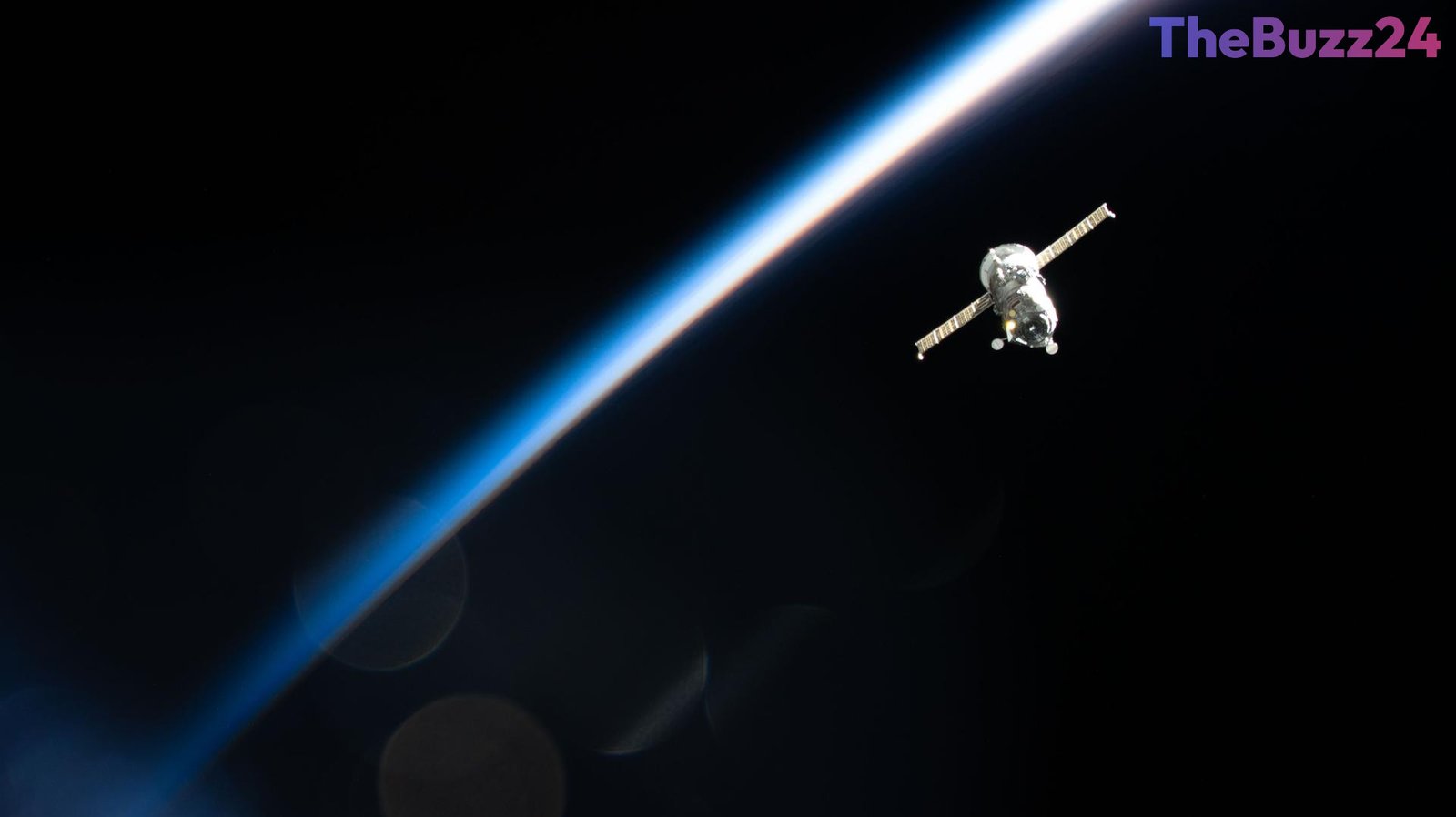
Preparations are in full swing for the launch of the unpiloted Roscosmos Progress 96 cargo spacecraft, tasked with ferrying approximately three tons of vital supplies, propellant, and provisions to the International Space Station (ISS). The automated resupply vessel is scheduled to lift off aboard a Soyuz rocket from the Baikonur Cosmodrome in Kazakhstan at 12:15 p.m. EDT on Wednesday, Sept. 9.
Following a two-day orbital transit, Progress 96 will execute an autonomous rendezvous with the orbiting laboratory. The spacecraft is slated to dock with the space-facing port of the station’s Poisk module at 2:37 p.m. EDT on Friday, Sept. 11. Once secured, the vehicle will remain attached to the station for roughly five months, providing consumables and hardware to support ongoing microgravity research and operational upkeep.
The incoming delivery follows the scheduled departure of an older resupply vessel, Progress 94, which will undock from the station at approximately 11:18 a.m. EDT on Monday, Sept. 7. Packed with refuse and unneeded equipment, Progress 94 will undergo a planned destructive re-entry through Earth’s atmosphere, safely disintegrating over the remote waters of the Pacific Ocean. Progress 96 will eventually conclude its mission in the same controlled manner.
Consistent cargo runs remain fundamental to sustaining long-duration human presence in low Earth orbit, an achievement maintained continuously for over a quarter-century. The scientific payloads and resources delivered during these missions provide crucial insights that advance human spaceflight capabilities, supporting future deep-space ambitions including crewed journeys to the Moon and Mars.
Key Takeaways
- Progress 96 will lift off from Baikonur Cosmodrome on Sept. 9 carrying three tons of food, fuel, and essential cargo.
- The spacecraft will conduct an autonomous docking maneuver at the ISS Poisk module on Sept. 11 after a two-day flight.
- Progress 94 will depart the orbital complex on Sept. 7 to perform a destructive atmospheric re-entry over the Pacific Ocean.
Editor’s Analysis & Impact
Regular resupply missions like Progress 96 represent the unsung operational backbone of low-Earth orbit habitation. Despite evolving international geopolitical dynamics, technical and logistical collaboration aboard the International Space Station continues to execute reliably. These routine missions validate high-precision autonomous docking capabilities and rigorous orbital supply-chain protocols—technologies that are foundational for the next era of commercial orbital habitats and lunar exploration architectures like NASA’s Artemis program. The consistent disposal cycle via controlled destructive re-entry also highlights the space community’s ongoing commitment to managing orbital debris risks responsibly as operational traffic in low Earth orbit intensifies.
Frequently Asked Questions
Q: What is the mission of the Progress 96 spacecraft?
A: Progress 96 is an uncrewed resupply mission delivering about three tons of food, fuel, scientific equipment, and everyday provisions to the crew aboard the International Space Station.
Q: How does Progress 96 dock with the International Space Station?
A: The spacecraft is engineered to autonomously navigate and dock with the space-facing port of the Poisk module two days after launching from Kazakhstan.
Q: What happens to the Progress spacecraft after completing its mission?
A: After remaining docked for roughly five months, the spacecraft will be loaded with station trash and deorbited to safely burn up during atmospheric re-entry over the Pacific Ocean.
AI Disclosure: This article is based on verified data and official reports. Our Team and AI have cross-referenced every financial detail with primary sources to ensure total accuracy.
More from this Category