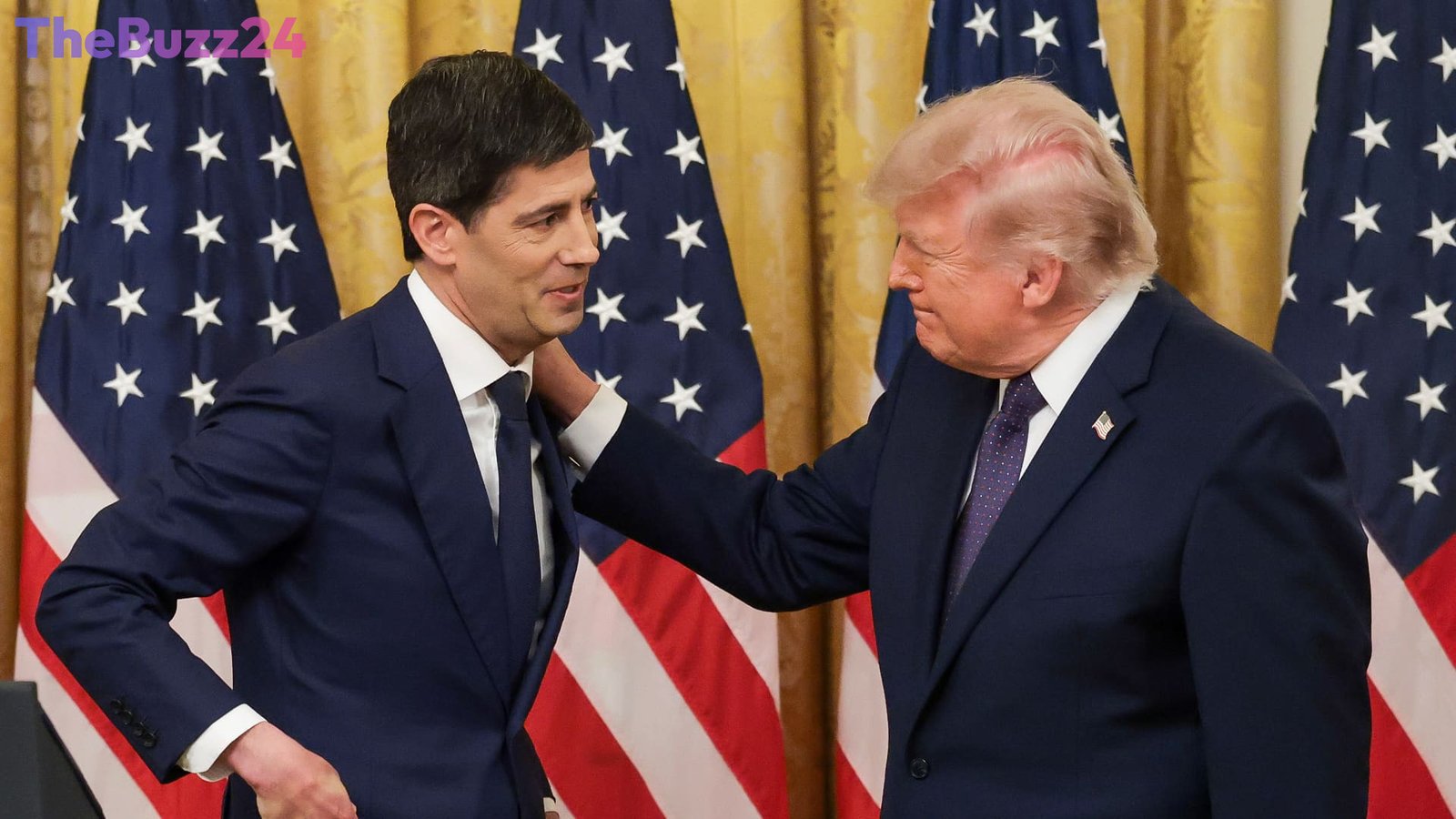
Trump Administration Intensifies Pressure on Federal Reserve to Halt Interest Rate Hikes
The Trump administration has launched an unusually broad public campaign, urging the Federal Reserve to refrain from raising interest rates and even to consider cuts. This concerted effort involves President Donald Trump, Vice President JD Vance, Treasury Secretary Scott Bessent, and senior economic advisors, all publicly voicing their opposition to a potential rate hike.
President Trump has escalated his rhetoric, recently threatening trade actions against countries with trade surpluses with the U.S. if the Fed does not lower interest rates. This marks a new tactic in his ongoing criticism of the central bank. Economic counselor Peter Navarro echoed these sentiments, labeling a potential rate hike as “careless” and detrimental to key American industries. Vice President Vance explicitly stated the administration’s belief that the Fed should be lowering rates, seeking the central bank’s cooperation in economic policy.
This pressure campaign comes at a critical juncture for Federal Reserve Chair Kevin Warsh, who has voiced concerns about inflation remaining above the Fed’s 2% target and being widespread across consumer categories. Markets are currently pricing in a moderate chance of a September rate increase, influenced by recent positive jobs data. However, the administration’s argument challenges a fundamental economic principle: that rapid economic growth can lead to inflation, particularly in tight labor markets. They contend that supply-side improvements, such as tax cuts and capital investment, can boost growth without igniting inflation, a perspective that clashes with traditional economic theories like the Phillips Curve.
Despite the administration’s arguments, several Fed officials have expressed unease about persistent inflation, citing data showing a significant portion of price index components rising above the 2% target. The upcoming Consumer Price Index (CPI) report is expected to be a key factor in the Fed’s decision-making process, potentially influencing whether interest rates are raised or held steady. While the administration advocates for lower rates, no Fed officials have recently discussed rate cuts publicly.
Key Takeaways
- The Trump administration is exerting significant public pressure on the Federal Reserve to prevent interest rate hikes.
- President Trump has introduced new threats of trade tariffs linked to the Fed's interest rate decisions.
- The administration's stance challenges established economic theories on the relationship between growth and inflation, while Fed officials remain concerned about rising prices.
Editor’s Analysis & Impact
The Trump administration’s aggressive public stance against potential Federal Reserve interest rate hikes signals a significant challenge to the central bank’s independence. By linking trade policy to monetary policy, the administration is attempting to leverage economic tools to influence the Fed’s decisions, a move that could have far-reaching implications for market stability and investor confidence. While the administration argues that supply-side growth can mitigate inflation, the Fed’s mandate prioritizes price stability. This divergence in economic philosophy could lead to increased volatility as markets attempt to decipher the Fed’s response to both economic data and political pressure. The outcome will likely shape future interactions between the executive branch and the Federal Reserve, potentially setting a precedent for political interference in monetary policy.
Frequently Asked Questions
Q: Why is the Trump administration pressuring the Federal Reserve?
A: The administration believes that raising interest rates could stifle economic growth and harm key industries. They advocate for lower rates to stimulate the economy and argue that supply-side improvements can prevent inflation.
Q: What is the Federal Reserve's primary concern?
A: The Federal Reserve's primary concern, as stated by Chair Kevin Warsh, is inflation remaining above its 2% target and being widespread across various consumer categories. They are tasked with maintaining price stability.
Q: How might this pressure affect the Fed's decision?
A: While the Fed is designed to be independent, sustained public pressure from the administration, especially when linked to other policy tools like trade, could influence market expectations and potentially create a more cautious approach to rate hikes. However, the Fed typically bases its decisions on economic data and its mandate.
AI Disclosure: This article is based on verified data and official reports. Our Team and AI have cross-referenced every financial detail with primary sources to ensure total accuracy.
More from this Category