US Forces Strike Iranian Oil Tankers in Retaliation for Missile Attacks
U.S. military forces conducted strikes against three Iranian crude oil carriers on Saturday, a move that came in direct response to ballistic missile attacks launched by Iran’s Islamic Revolutionary Guard Corps (IRGC) targeting two U.S. Navy warships. The U.S. Central Command (CENTCOM) confirmed the operation, stating that the retaliatory action aimed to impose significant economic costs on Iran.
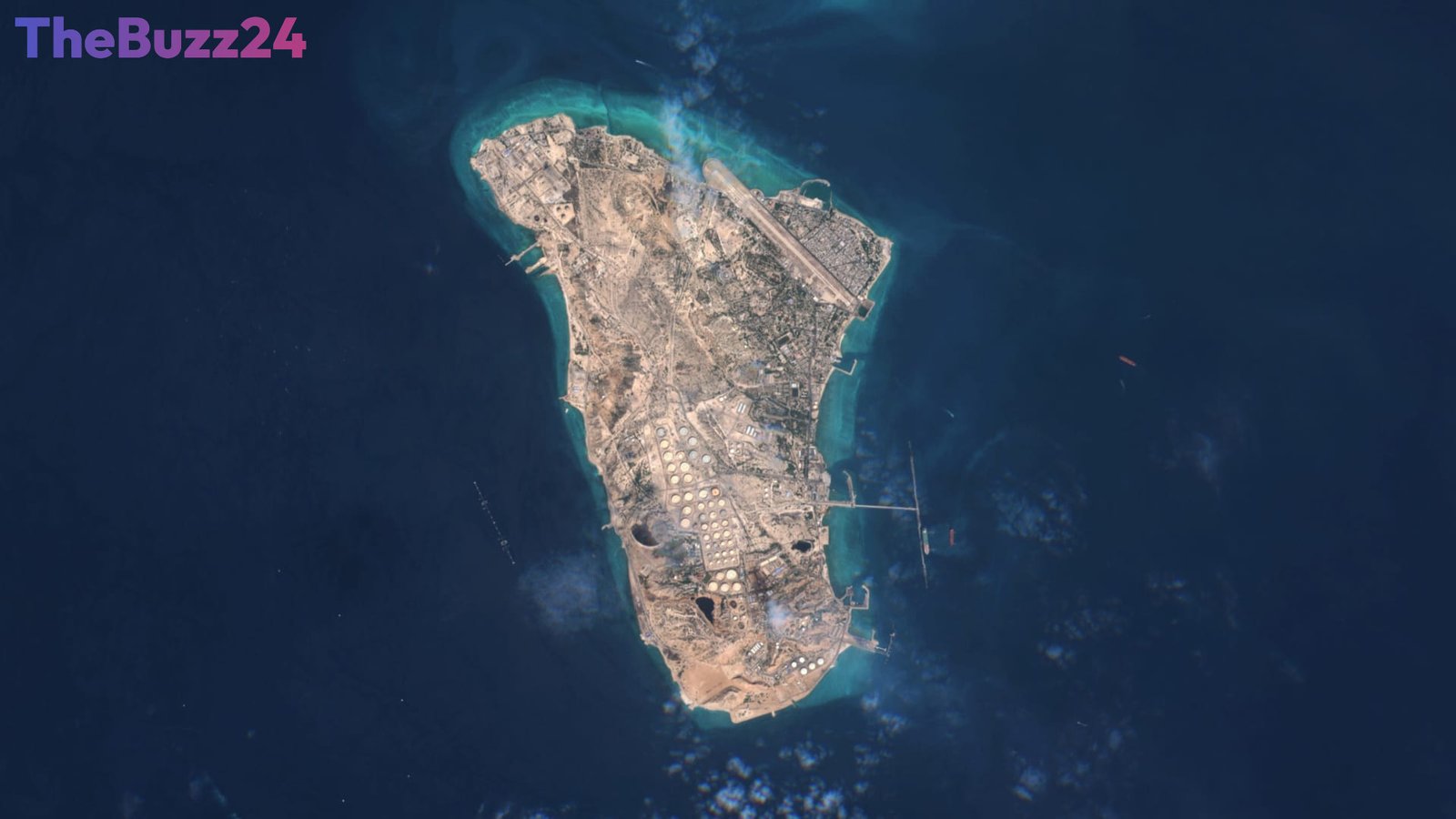
According to CENTCOM, the U.S. forces successfully disabled one crude oil carrier off the coast of Kharg Island and another near Jask. A third tanker was attacked in the Gulf of Oman. These actions followed an incident where IRGC forces fired ballistic missiles toward U.S. naval vessels patrolling the region. CENTCOM reported that a U.S. aircraft carrier and a guided-missile destroyer were able to evade the attacks, and no American personnel sustained injuries.
Admiral Brad Cooper, the commander of CENTCOM, issued a stern warning, stating, “Let the message to the IRGC be clear: If you shoot at two of our ships, we will impose an even higher economic cost — taking out three of yours.” He further emphasized the U.S. commitment to defending its forces, adding, “We will not hesitate to defend American forces, and if necessary, destroy Iran’s limited and exposed oil fleet.” Defense Secretary Pete Hegseth reinforced this stance on social media, asserting that any Iranian aggression against U.S. ships would be met with the destruction of Iranian oil tankers.
This escalation occurs just a day after the U.S. Treasury Department announced sanctions against a Turkish investment bank and two subsidiaries, accusing them of facilitating financial transactions for an arm of Iran’s Revolutionary Guard. The Treasury specifically named Golden Global Yatirim Bankasi Anonim Sirketi and its affiliates, alleging they were instrumental in transferring oil revenues from China to Turkey for conversion into cash and gold. This action is part of a broader U.S. strategy, dubbed “Operation Economic Outcast,” aimed at isolating Tehran through non-military means by targeting its financial partners.
Key Takeaways
- U.S. forces struck three Iranian oil tankers in retaliation for Iran's missile attacks on U.S. Navy warships.
- CENTCOM confirmed the successful disabling of two tankers and an attack on a third, emphasizing a commitment to defending U.S. assets.
- The strikes follow recent U.S. sanctions against a Turkish bank accused of facilitating funds for Iran's Revolutionary Guard, highlighting a dual approach of military and economic pressure.
Editor’s Analysis & Impact
This direct military engagement between U.S. forces and Iranian oil tankers marks a significant escalation in the ongoing tensions. The U.S. appears to be employing a strategy of immediate, proportional military retaliation coupled with sustained economic pressure through sanctions. The targeting of Iran’s oil fleet, a critical revenue source, aims to cripple its economy and deter further aggression. However, such actions carry inherent risks of wider conflict and potential disruption to global oil supplies, particularly given Iran’s role as a major OPEC producer and the strategic importance of waterways like the Strait of Hormuz. The effectiveness of this dual approach will depend on Iran’s response and the broader geopolitical implications.
Frequently Asked Questions
Q: What triggered the U.S. strikes on the Iranian oil tankers?
A: The U.S. strikes were a direct response to ballistic missile attacks launched by Iran's Islamic Revolutionary Guard Corps (IRGC) against two U.S. Navy warships patrolling the region.
Q: What is the significance of Kharg Island and the Strait of Hormuz in this context?
A: Kharg Island was historically a primary export hub for Iranian crude oil, and the Strait of Hormuz is a vital waterway for global oil supply. Disruptions or blockades in these areas have significant implications for international energy markets.
Q: What is 'Operation Economic Outcast'?
A: 'Operation Economic Outcast' is an initiative by the U.S. administration to isolate Iran economically by sanctioning its business partners and financial facilitators, aiming to cut off revenue streams through non-military actions.
AI Disclosure: This article is based on verified data and official reports. Our Team and AI have cross-referenced every financial detail with primary sources to ensure total accuracy.
More from this Category