Walmart Challenges DoorDash and Uber Eats with New Restaurant Delivery Expansion
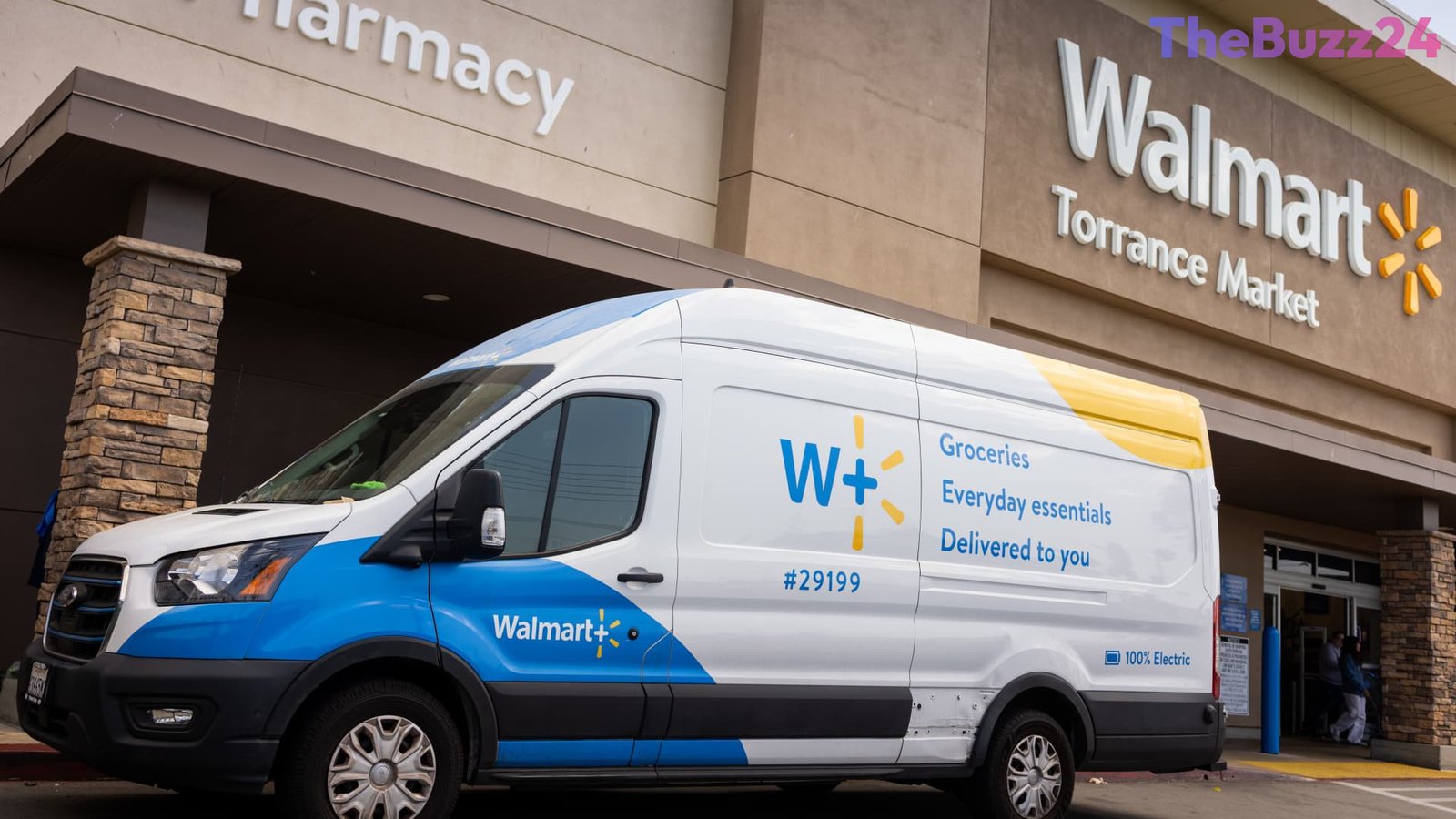
Retail giant Walmart is setting its sights on the lucrative food delivery market, launching a strategic initiative to deliver items from popular restaurant chains like Dunkin’ and Subway directly to consumers’ doorsteps. This bold move positions the massive retailer in direct competition with established food delivery heavyweights such as DoorDash and Uber Eats, leveraging Walmart’s unparalleled geographic reach and existing logistics infrastructure.
The rollout begins with fulfilling orders from in-store Dunkin’ locations before scaling up over the coming year to encompass thousands of standalone Dunkin’ restaurants across the United States. This expansion follows a successful pilot program involving Subway eateries situated inside Walmart stores. By integrating prepared food and beverages with traditional retail goods, the company aims to offer a unified shopping experience that maximizes convenience for its vast consumer base.
Industry analysts point out that while delivering low-margin, time-sensitive items like coffee and doughnuts on a standalone basis is notoriously difficult to monetize, Walmart’s true strategy lies elsewhere. The retail titan’s core advantage stems from the fact that a vast majority of the U.S. population lives within a short distance of a Walmart store. By using morning routine staples like coffee to drive daily app engagement, Walmart encourages customers to bundle grocery items into their orders, thereby increasing basket sizes and overall shopping frequency.
Despite the promising outlook, navigating the pure delivery economics outside of its retail footprint will present unique operational hurdles. Maintaining strict delivery windows, ensuring food temperature integrity, and optimizing delivery density in lower-population areas will be critical for long-term success. Nevertheless, company executives remain optimistic, noting that rapid delivery services have already experienced substantial growth, proving that consumers are eager to embrace new channels for speed and value.
Key Takeaways
- Walmart is expanding its delivery services to include restaurant chains like Dunkin' and Subway, directly challenging Uber Eats and DoorDash.
- The primary business strategy focuses on using frequent purchases, such as coffee and breakfast items, to drive traffic to the Walmart app and increase larger grocery basket sizes.
- Nearly 90 percent of Americans live within 10 miles of a Walmart, giving the retailer a massive logistical advantage in building out its delivery network.
Editor’s Analysis & Impact
Walmart’s calculated push into restaurant delivery represents a sophisticated evolution of modern retail strategy. By transforming everyday impulse buys—like a morning coffee or a box of doughnuts—into a Trojan horse for weekly grocery replenishment, Walmart is effectively altering consumer behavior patterns. While dedicated delivery services like DoorDash and Uber Eats have historically dominated the logistics of prepared food, Walmart’s unique asset is its physical footprint and existing Spark Driver network. If the retailer successfully scales its operations to include off-site restaurant locations without compromising delivery speeds or food quality, it could permanently shift market share. The long-term implication is a blurring of lines between traditional grocery retail and on-demand restaurant delivery, forcing competitors to rethink how they capture customer loyalty and daily engagement.
Frequently Asked Questions
Q: How does Walmart plan to compete with DoorDash and Uber Eats?
A: Walmart is leveraging its massive physical infrastructure—where 90% of Americans live within 10 miles of a store—and bundling restaurant items like coffee and doughnuts with regular grocery deliveries to increase order frequency and basket size.
Q: What restaurant chains are currently partnering with Walmart for delivery?
A: Walmart has initiated delivery partnerships with Subway, utilizing in-store locations initially, and is now rolling out a major expansion with Dunkin' that will eventually include standalone stores.
Q: Are low-cost items like coffee profitable for Walmart to deliver on their own?
A: On a standalone basis, items like coffee and doughnuts have very tight margins and difficult delivery economics. However, Walmart uses these items as a gateway to encourage customers to add higher-value grocery and retail merchandise to their orders.
AI Disclosure: This article is based on verified data and official reports. Our Team and AI have cross-referenced every financial detail with primary sources to ensure total accuracy.
More from this Category