How the Artificial Intelligence Infrastructure Boom is Throwing a Lifeline to the Trucking Industry
The rapid expansion of artificial intelligence data centers across rural landscapes is serving as an unexpected economic engine for the American trucking sector. While broader macroeconomic pressures—ranging from shifting trade policies to escalating diesel prices—have weighed heavily on freight carriers, the massive logistical demands of building sprawling tech infrastructure have generated a substantial surge in demand for specialized transport.
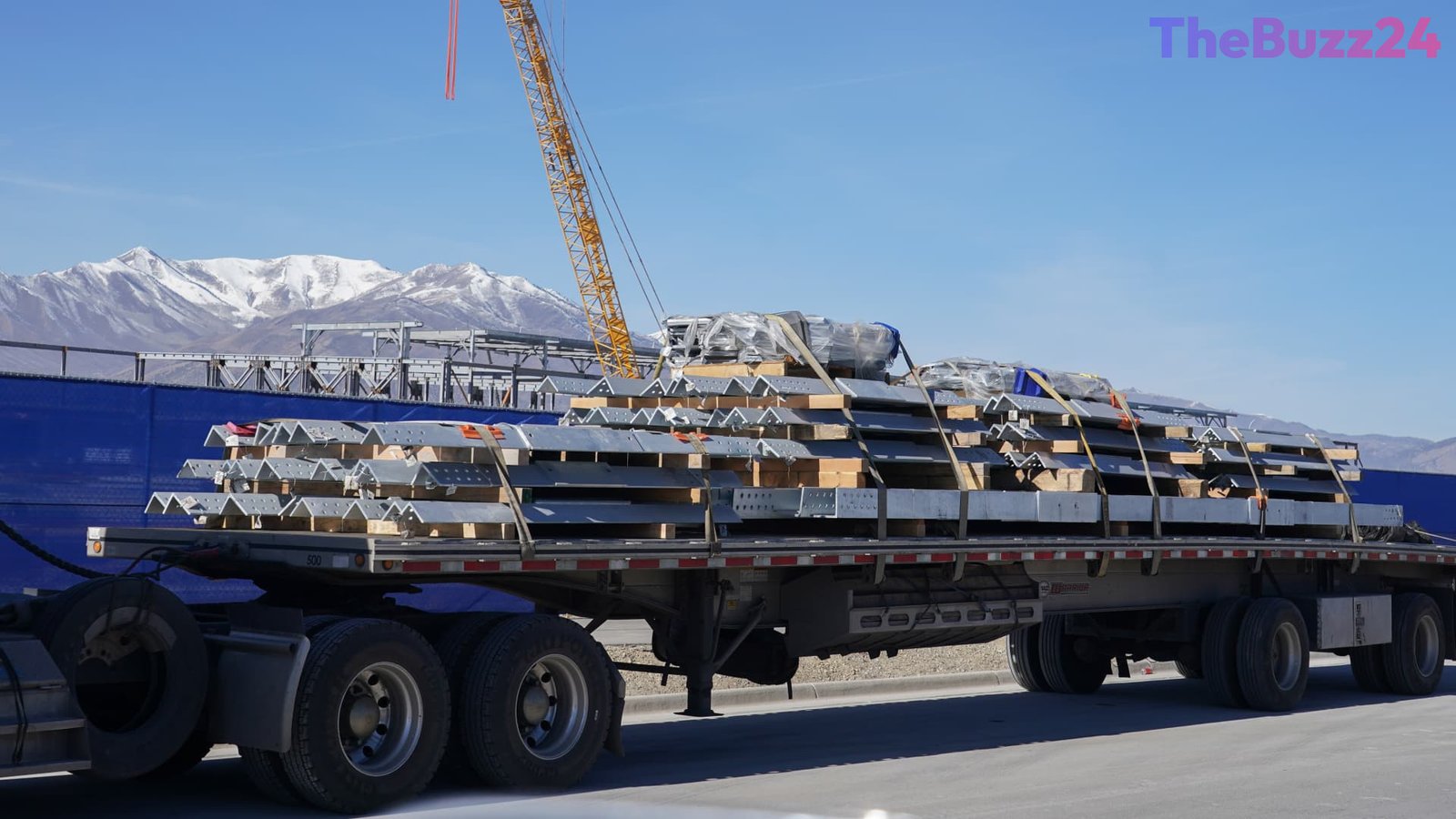
Flatbed and heavy-haul trucking companies have seen a particularly dramatic increase in activity. Transporting massive components such as industrial generators, large-scale cooling systems, switchgear, and servers requires specialized equipment and careful route planning. Because a significant portion of these high-tech facilities is being developed in previously quiet rural counties, transport companies are being forced to redraw traditional supply chain corridors to accommodate the influx of heavy equipment.
Beyond just the immediate hauling of hardware, the construction boom has triggered a ripple effect throughout the broader freight ecosystem. Regional economies, particularly in states experiencing high concentrations of tech development like Georgia and Texas, are seeing increased activity in warehousing, local fuel supply, and general logistics. Even when heavy components arrive via rail, local trucking fleets are heavily relied upon to complete the final leg of the journey, offering much-needed volume to short-haul operators.
However, industry analysts advise a measured approach to the long-term outlook. Once an artificial intelligence data facility is fully constructed and operational, the ongoing freight traffic drops off sharply compared to traditional retail distribution centers. Because these digital infrastructure hubs require minimal physical logistics support post-completion, transportation companies and local municipalities are encouraged to capitalize on the current construction-phase boom while planning sustainably for the future.
Key Takeaways
- Roughly two-thirds of new artificial intelligence data centers are being constructed in rural areas, fundamentally reshaping traditional American trucking routes.
- Flatbed and heavy-haul trucking providers are experiencing multiyear highs in spot rates and tight capacity due to the need to transport massive construction and tech components.
- Industry experts caution that freight demand will experience an extraordinary drop-off once data center construction phases are completed.
Editor’s Analysis & Impact
The intersection of artificial intelligence infrastructure development and the freight industry highlights a fascinating secondary economic beneficiary of the ongoing tech boom. While public discourse largely focuses on semiconductor manufacturing, energy consumption, and capital expenditures, the physical supply chain required to manifest these digital hubs is massive. For trucking companies battered by high fuel costs and volatile freight markets, the data center buildout provides a crucial cushion. However, the transient nature of construction-phase logistics means fleet operators and local governments must avoid overextending their long-term infrastructure capacity based solely on temporary spikes in demand.
Frequently Asked Questions
Q: Why are AI data centers increasing demand for flatbed trucks?
A: Flatbed trucks are uniquely suited to transport the oversized and heavy components required to build modern data centers, including industrial generators, large cooling systems, electrical switchgear, and server racks.
Q: Are smaller trucking companies benefiting from the AI boom?
A: Yes, smaller carriers are seeing new business opportunities by transporting construction materials and heavy equipment, though they must manage cash flow carefully to cover upfront expenses like fuel and labor before getting paid.
Q: What happens to truck traffic after a data center is built?
A: Once construction is complete, truck traffic drops off significantly compared to standard distribution centers or warehouses, as operational data centers require very little ongoing physical logistics support.
AI Disclosure: This article is based on verified data and official reports. Our Team and AI have cross-referenced every financial detail with primary sources to ensure total accuracy.
More from this Category