Trump Administration Launches Fresh Supreme Court Bid to Enforce Mail-In Ballot Restrictions
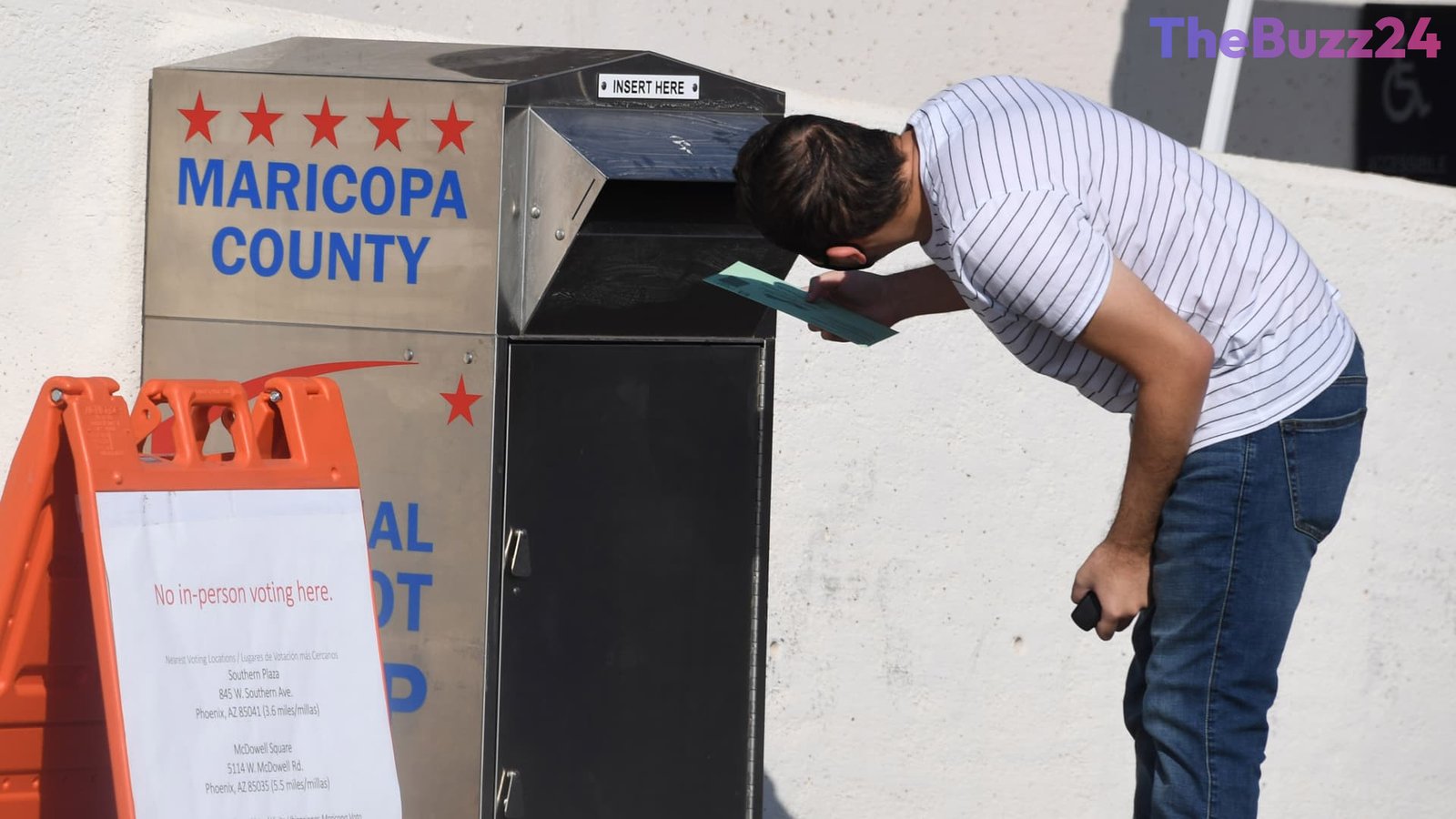
The Trump administration has launched another high-stakes appeal to the Supreme Court, seeking to overturn a federal judge’s block on new mail-in ballot restrictions just weeks before the upcoming midterm elections. This legal maneuver follows a ruling by U.S. District Court Judge Indira Talwani, who extended an injunction preventing the U.S. Postal Service from implementing the administration’s restrictive directives. With several states already beginning the process of distributing mail-in ballots, the administration is facing a tight window to enforce these sweeping changes.
In the emergency filing, Solicitor General John Sauer warned that the ongoing injunction risks creating widespread confusion. Sauer emphasized that because states like North Carolina and Alabama are already sending out ballots, any delay in implementing the mandatory guidelines makes preparatory steps voluntary rather than compulsory. The administration argues that immediate intervention is necessary to establish regulatory certainty, asserting that the proposed postal rules are standard, common-sense measures well within the executive branch’s authority.
Conversely, voting rights advocates and Democratic-led states argue that the proposed restrictions are unconstitutional and logistically unfeasible. Election officials have voiced concerns that they lack the time and resources to overhaul their systems to comply with the new Postal Service mandates. Despite the legal battle, administration officials clarified that local and state authorities will retain full control over voter eligibility and ballot counting, with the Postal Service playing no role in those specific processes.
This latest appeal marks the third time the administration has petitioned the Supreme Court on this matter. While the high court has previously allowed the administration’s broader plan to proceed, it has yet to issue a definitive ruling on the legality of the restrictions. With nearly a third of American voters relying on mail-in ballots, the outcome of this legal battle could have profound implications for voter turnout and the balance of power in Congress.
Key Takeaways
- The Trump administration has filed its third appeal to the Supreme Court to lift an injunction blocking new Postal Service restrictions on mail-in voting.
- Opponents argue the changes are unconstitutional and logistically impossible to implement so close to the midterm elections, while the administration claims they are common-sense regulations.
- Despite the federal policy battle, state and local officials retain sole authority over voter eligibility and ballot counting.
Editor’s Analysis & Impact
This legal showdown highlights the deepening polarization surrounding voting infrastructure in the United States. By targeting the logistical operations of the Postal Service, the administration’s proposed rules have transformed a historically administrative agency into a political battleground. If the Supreme Court grants the administration’s request, local election offices could face severe operational bottlenecks, potentially delaying ballot delivery and processing during a critical election cycle. Conversely, a denial of the appeal would solidify the status quo, offering relief to local election administrators but leaving broader questions about executive authority over federal mail systems unresolved. Ultimately, this dispute underscores how procedural changes in voting mechanics can influence voter turnout and shape the outcomes of highly competitive legislative contests.
Frequently Asked Questions
Q: Why is the Trump administration appealing to the Supreme Court?
A: The administration is seeking to lift a lower court's injunction that blocks the U.S. Postal Service from implementing new restrictions on mail-in ballots ahead of the midterm elections.
Q: What are the main arguments against the proposed mail-in ballot restrictions?
A: Critics, including voting rights groups and Democratic states, argue that the changes are unconstitutional, create unnecessary barriers for voters, and are logistically impossible for election officials to implement on such short notice.
Q: Will the Postal Service determine who is eligible to vote?
A: No. The administration's filing clarified that state and local officials will continue to govern voter eligibility, maintain voter rolls, and count ballots, while the Postal Service will handle only the physical transport of the mail.
AI Disclosure: This article is based on verified data and official reports. Our Team and AI have cross-referenced every financial detail with primary sources to ensure total accuracy.
More from this Category