Space Science Powers Virginia’s Energy Future Through New Partnership
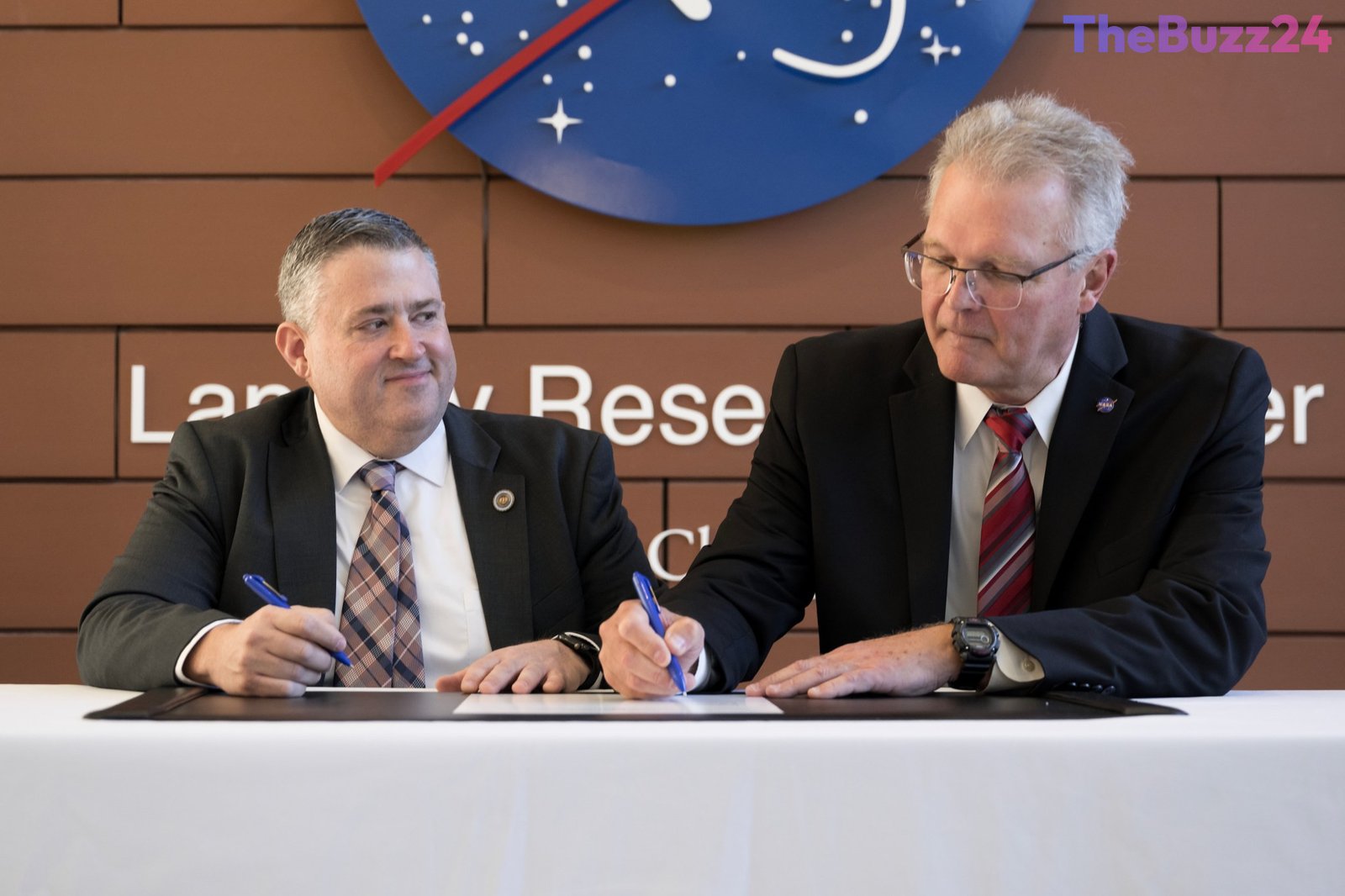
NASA’s Langley Research Center in Hampton, Virginia, has recently forged a significant partnership with the Virginia Department of Energy, aiming to bolster the Commonwealth’s long-term energy security. This collaboration leverages NASA’s extensive expertise in atmospheric sciences to provide critical data and insights, enabling Virginia to make more informed decisions regarding energy generation, delivery, and consumption.
The alliance, formalized under a new Space Act Agreement, will see NASA Langley supply Virginia Energy with vital solar, meteorological, and future weather risk datasets. These resources are crucial for advanced energy system modeling and planning, directly supporting the state’s resiliency studies, resource analysis, and long-term strategic energy initiatives. Allen Kilgore, NASA Langley Deputy Director, emphasized the center’s commitment, stating, “NASA Langley relishes the opportunity to put our unique science data into the hands of those who want to improve people’s lives. This collaboration with Virginia Energy will benefit the citizens of Virginia and provide stronger energy security for the Commonwealth.”
This partnership is designed to equip state officials with the tools to better anticipate energy demands, prepare for potential extreme weather conditions, and understand their implications for electricity generation and system stress. By integrating this information directly into energy policy, planning, and operational decisions, Virginia aims to cultivate a more reliable and resilient energy infrastructure. Vince Maiden, Virginia Energy Director, highlighted the importance of accurate data, noting, “Sound energy planning depends on models that reflect real-world conditions. This collaboration will help us better understand how weather affects electricity supply and demand, identify vulnerabilities, and weigh resource tradeoffs with greater confidence.”
The core of this data exchange involves infusing NASA’s Prediction of Worldwide Energy Resources (POWER) data products into Virginia Energy’s modeling and analysis systems. These validated datasets, derived from NASA’s Earth Science to Action program—involving contributions from Langley, Goddard Space Flight Center, and Ames Research Center—support the design of energy generation systems and predict energy production. A digital pipeline will facilitate the seamless transfer of these specific datasets from Langley’s POWER web platform, with NASA’s POWER team collaborating closely with Virginia Energy researchers to optimize the exchange and data utilization.
Key Takeaways
- NASA Langley Research Center and the Virginia Department of Energy have partnered to enhance Virginia's energy security and resilience.
- NASA will provide advanced atmospheric science data, including POWER datasets, to help Virginia plan for extreme weather, optimize energy generation, and manage demand.
- This collaboration aims to integrate scientific data into state-level energy policy and planning, fostering a more reliable and resilient energy system for the Commonwealth.
Editor’s Analysis & Impact
This partnership signifies a growing trend of leveraging advanced scientific data, particularly from space agencies, for critical terrestrial applications. It could serve as a blueprint for other states and regions seeking to enhance their energy resilience and planning capabilities, driving innovation within the energy sector. The integration of NASA’s atmospheric data into state energy systems marks a significant step towards climate-resilient infrastructure, a necessity as climate change impacts intensify. Beyond energy, this collaboration underscores the versatility of space-derived data for addressing broader societal challenges, demonstrating how inter-agency partnerships can translate scientific research into tangible public benefits, ensuring essential services remain robust amidst environmental shifts.
Frequently Asked Questions
Q: What is the primary goal of the partnership between NASA Langley and Virginia Energy?
A: The primary goal is to enhance Virginia's long-term energy security and resilience by providing state officials with advanced scientific data and expertise for informed decisions regarding energy generation, delivery, and use.
Q: How will NASA's data specifically help Virginia's energy planning?
A: NASA will provide solar, meteorological, and future weather risk datasets, including information from its POWER program. This data will help Virginia Energy understand how weather affects electricity supply and demand, identify system vulnerabilities, and plan for extreme weather conditions.
Q: What is NASA POWER data?
A: NASA Prediction of Worldwide Energy Resources (POWER) data products are validated datasets derived from NASA's Earth Science to Action program. They provide crucial information for designing energy generation systems and predicting energy production, helping to model real-world conditions.
AI Disclosure: This article is based on verified data and official reports. Our Team and AI have cross-referenced every financial detail with primary sources to ensure total accuracy.
More from this Category