Wall Street Eyes Long-Term Growth: Three Tech Giants Poised for Sustained Success Amid Market Volatility
Global financial markets are currently navigating a period of heightened volatility, influenced by rising bond yields and geopolitical tensions in the Middle East, which raise concerns about oil prices and inflation. Despite these short-term uncertainties, leading market analysts are directing investor attention towards companies with robust long-term growth potential, underpinned by thorough financial research and business performance analysis.
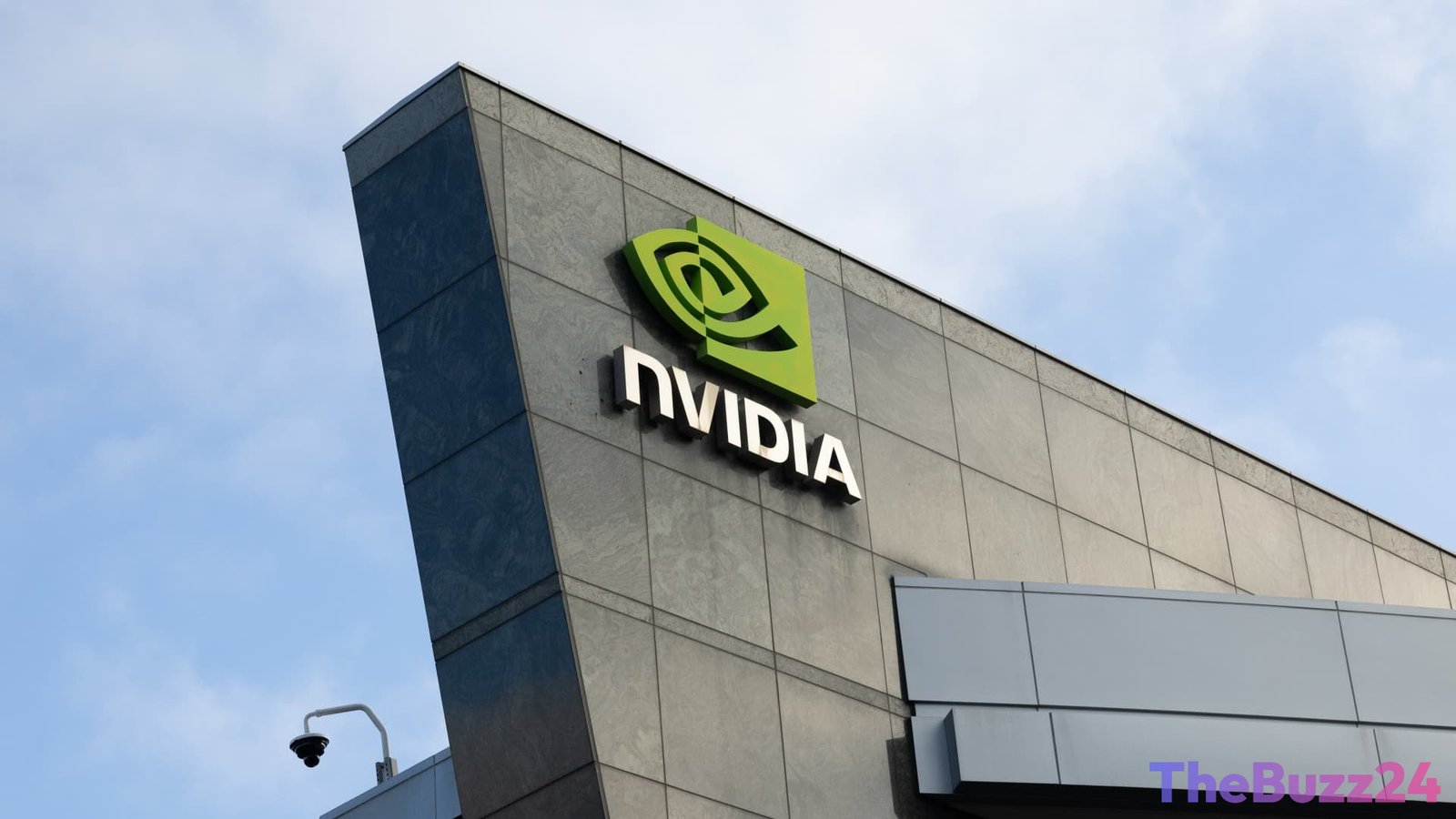
Semiconductor powerhouse Nvidia (NVDA) stands out, having recently reported exceptional fiscal second-quarter results. The company reinforced confidence in the sustained demand for its AI-driven chips, with its fiscal year 2028 revenue growth forecast of 70% significantly surpassing market expectations. One prominent analyst reiterated a “buy” rating, elevating the price target and identifying Nvidia as a top pick within the semiconductor sector, citing its compelling product cycle, remarkable growth trajectory, and attractive valuation relative to peers. Even with supply constraints, the long-term outlook for revenue and gross margin remains highly favorable, with strong performance metrics noted for its Vera Rubin chips, showcasing superior throughput and cost efficiency compared to previous generations.
Ride-hailing and delivery giant Uber Technologies (UBER) is another firm drawing significant analyst interest, particularly for its burgeoning opportunities in the autonomous vehicle (AV) market. Observers highlight Uber’s evolution into a diversified marketplace, with increasing focus on its AV growth prospects. Analysts believe Uber is strategically positioned to become a preferred mobility platform for AV manufacturers, leveraging its expanding AV infrastructure and partner ecosystem. This strategic shift positions Uber to capture substantial value as the autonomous vehicle market matures, moving beyond merely a distribution channel for robotaxis to a comprehensive AV mobility platform through increased capital investment, market expansion, and new partnerships beyond existing collaborations like Alphabet’s Waymo.
Meanwhile, semiconductor firm Marvell Technology (MRVL) recently delivered stronger-than-anticipated results for its second quarter of fiscal year 2027. Although its updated fiscal year 2028 guidance did not fully meet the market’s elevated expectations, the company’s performance was significantly bolstered by its data center business, which saw a 46% year-over-year growth to $2.17 billion, exceeding analyst estimates. Management emphasized accelerating demand for AI networking across various architectures, driven by strong interest in 800G optical DSPs, rapid adoption of 1.6T technology, widespread 51.2T switch deployments, and increased demand for TIAs/drivers. Consequently, Marvell has revised its data center revenue guidance upward, projecting 60% growth for FY27 and over 60% for FY28. Furthermore, the company indicated that programs related to its $120 billion warrant arrangement with Google are already factored into its custom outlook through FY28, with new and ongoing programs expected to significantly boost its FY29 custom XPU revenue projections beyond $10 billion.
Key Takeaways
- Leading analysts are recommending Nvidia, Uber Technologies, and Marvell Technology for long-term growth despite current market volatility.
- Nvidia's AI-driven chip demand and strong FY28 revenue growth outlook (70%) are key drivers for its positive sentiment.
- Uber is seen as a significant player in the evolving autonomous vehicle market, aiming to become a preferred platform for AV manufacturers.
- Marvell Technology's data center business is experiencing robust growth due to accelerating AI networking demand, leading to upward revised revenue guidance.
Editor’s Analysis & Impact
The recommendations for Nvidia, Uber, and Marvell Technology underscore a broader market trend: a flight to quality and innovation amidst macroeconomic uncertainty. Nvidia’s continued dominance in AI semiconductors highlights the critical role of specialized hardware in the ongoing AI revolution, suggesting sustained demand and potential for further market expansion. Uber’s strategic pivot towards becoming a foundational platform for autonomous vehicles indicates a significant long-term play, potentially transforming its business model and capturing substantial value in a nascent but rapidly growing industry. Marvell’s strong data center performance, particularly in AI networking, reflects the foundational infrastructure build-out required to support AI and cloud computing. Collectively, these picks suggest that investors are prioritizing companies with clear technological leadership, strong growth narratives, and strategic positioning in high-growth sectors, even as broader market sentiment remains cautious. The future outlook for these companies appears tied to their ability to execute on these technological frontiers and capitalize on evolving market demands.
Frequently Asked Questions
Q: Why are analysts focusing on long-term growth stocks now?
A: Despite current market volatility driven by high bond yields and geopolitical tensions, analysts are identifying companies with strong underlying fundamentals and significant long-term growth potential. This strategy aims to help investors look beyond short-term fluctuations and capitalize on sustained business performance.
Q: What is driving Nvidia's strong performance and outlook?
A: Nvidia's impressive performance is primarily fueled by the surging demand for its AI-driven chips. The company's robust fiscal second-quarter results and an optimistic fiscal year 2028 revenue growth forecast of 70% reflect its leadership in the semiconductor industry and its pivotal role in the artificial intelligence revolution.
Q: How is Uber Technologies positioning itself in the autonomous vehicle market?
A: Uber is strategically evolving into a diversified marketplace, aiming to become a preferred mobility platform for autonomous vehicle (AV) manufacturers. By expanding its AV infrastructure, forging new partnerships, and increasing capital investment, Uber seeks to capture significant value as the AV market commercializes, moving beyond just a ride-hailing service to a broader AV mobility platform.
AI Disclosure: This article is based on verified data and official reports. Our Team and AI have cross-referenced every financial detail with primary sources to ensure total accuracy.
More from this Category